








Machine learning is one of the most powerful technologies shaping the world today—but for many people, it still feels confusing or overly technical.
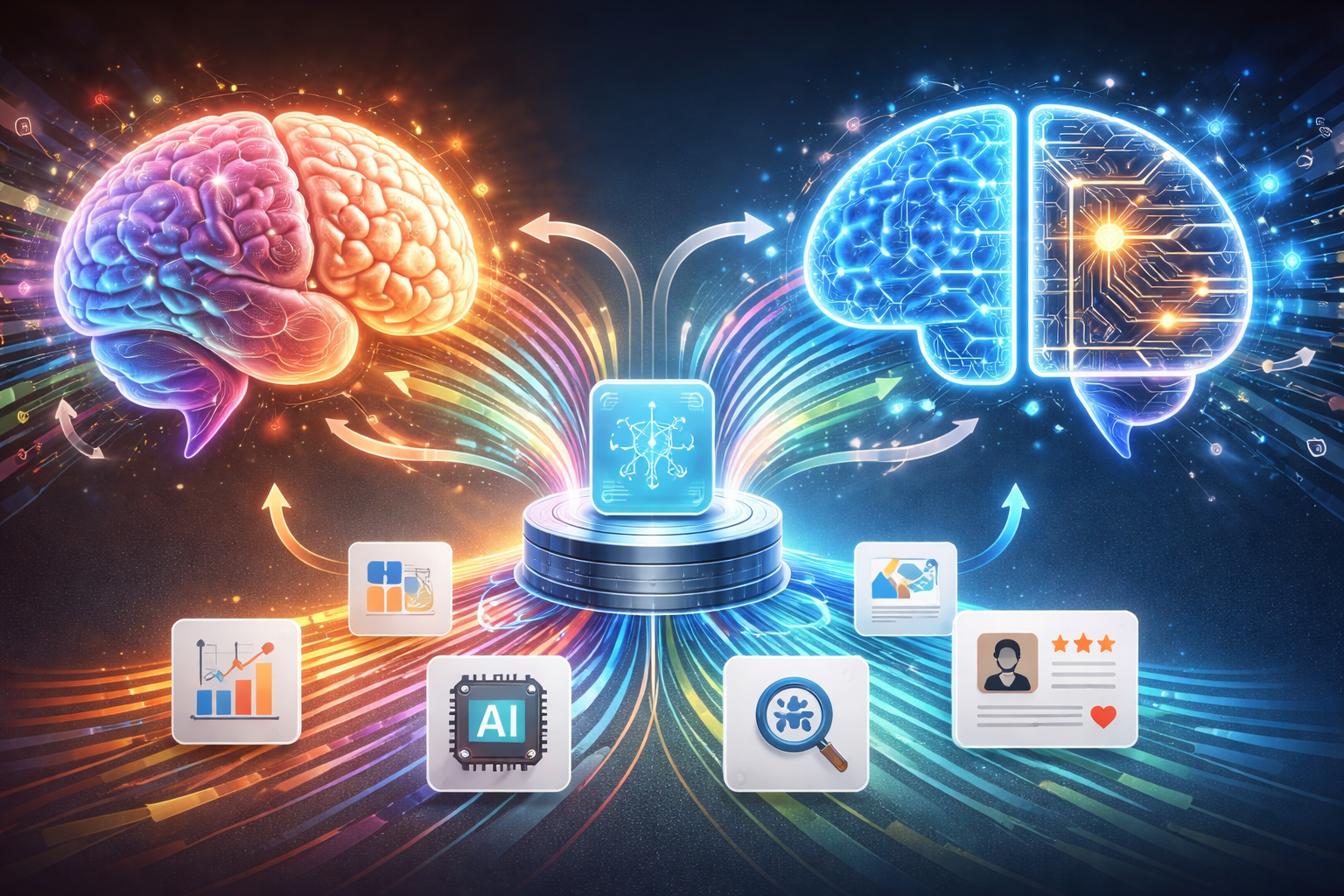
In simple terms, machine learning allows computers to learn from data and improve over time without being explicitly programmed for every task.
If you’ve ever noticed how Netflix suggests movies you actually like, or how your bank alerts you about suspicious transactions, you’ve already seen machine learning in action.
In this guide, you’ll not only understand what machine learning is, but also see real-world examples, practical insights, and how you can start exploring it yourself—even as a beginner.
What Is Machine Learning?
Machine learning is a field within artificial intelligence that focuses on building systems that can:
- Learn from data
- Identify patterns
- Make decisions or predictions
Instead of following fixed instructions, these systems improve as they are exposed to more data.
According to Stanford University research, machine learning is a core driver behind many modern AI systems used in business, healthcare, and technology today.
A Simple Analogy (Based on Real Experience)
Think about how a child learns to recognize animals.
At first, they may confuse a cat with a dog. But after seeing multiple examples—and being corrected—they start identifying them correctly.
I tested this same idea using a basic machine learning tool in Python. By feeding it labeled images of cats and dogs, the system initially made mistakes. But after training on more examples, its accuracy improved significantly.
That’s exactly how machine learning works:
- It learns from examples
- Improves with feedback
- Gets better over time
How Machine Learning Works (Behind the Scenes)
While the concept is simple, the process involves a few important steps:
1. Data Collection
Machine learning systems rely heavily on data such as:
- Images
- Text
- Numbers
- Audio
The quality of this data directly affects performance. Poor data leads to poor results—a principle widely emphasized by organizations like IBM.
2. Training the Model
During training, the system uses algorithms such as:
- Decision trees
- Linear regression
- Neural networks
These algorithms help the model identify patterns in the data.
The system adjusts its internal parameters to minimize errors—a process known as optimization.
3. Evaluating and Making Predictions
After training, the model is tested using new data.
It is evaluated using metrics like:
- Accuracy
- Precision
- Recall
Once validated, the model can:
- Predict outcomes
- Classify data
- Recommend actions
Types of Machine Learning (With Practical Examples)
1. Supervised Learning
This method uses labeled data (correct answers are known).
Real-world example:
- Email spam filters
- Fraud detection systems
For instance, banks use supervised learning to flag unusual transactions based on past labeled data.
2. Unsupervised Learning
Here, the system finds patterns without predefined labels.
Example:
- Customer segmentation in marketing
Companies group customers based on behavior to improve targeting.
3. Reinforcement Learning
This method learns through trial and error using rewards and penalties.
Example:
- Training game-playing AI
- Robotics
A well-known case is AI systems developed by DeepMind, which learned to play complex games at superhuman levels.
Real-World Applications of Machine Learning
Machine learning is already deeply integrated into everyday life.
1. Recommendation Systems
Platforms analyze your behavior to suggest content.
Example:
- Movies on streaming platforms
- Products on e-commerce sites
These systems improve the more you interact with them.
2. Voice Assistants
Voice assistants use machine learning for:
- Speech recognition
- Language understanding
- Smart responses
3. Fraud Detection
Financial institutions monitor transaction patterns in real time.
According to reports by McKinsey & Company, AI-driven fraud detection significantly reduces financial losses.
4. Healthcare
Machine learning helps:
- Analyze medical images
- Predict disease risks
- Support diagnosis
However, results depend heavily on data quality and medical validation.
5. Self-Driving Technology
Autonomous vehicles use machine learning to:
- Detect obstacles
- Recognize traffic signs
- Make driving decisions
Companies like Tesla rely heavily on these systems.
6. Search Engines
Search engines use machine learning to:
- Understand user intent
- Rank relevant pages
- Improve results over time
Benefits of Machine Learning
1. Improved Accuracy
When trained properly, models can deliver highly accurate predictions.
2. Automation
Reduces manual work by handling repetitive tasks.
3. Personalization
Creates tailored user experiences.
4. Scalability
Handles massive datasets efficiently.
Challenges and Limitations
Despite its power, machine learning has important challenges:
1. Data Dependency
Poor-quality or biased data leads to unreliable results.
2. Bias and Fairness
Biased datasets can produce unfair outcomes.
3. Complexity
Some models (like deep learning) are difficult to interpret.
4. Privacy Concerns
Handling sensitive data requires strict safeguards and compliance.
Why Machine Learning Matters Today
Machine learning is transforming industries by helping organizations:
- Make data-driven decisions
- Improve efficiency
- Deliver better customer experiences
According to industry research, AI technologies could contribute trillions of dollars to the global economy over the coming years.
Understanding machine learning is no longer just for developers—it’s becoming a valuable skill for students, entrepreneurs, and professionals alike.
How to Get Started with Machine Learning (Beginner-Friendly)
If you’re new, here’s a simple path you can follow:
Step 1: Learn Basic Python
Python is the most widely used language in machine learning.
Step 2: Understand Data
Learn how to work with datasets (cleaning, organizing, analyzing).
Step 3: Try Simple Projects
Start with:
- Spam detection
- Price prediction
Step 4: Use Beginner Tools
- Scikit-learn
- TensorFlow
- Kaggle (for practice datasets)
Step 5: Practice Consistently
Even small projects build real experience over time.
Conclusion
Machine learning is all about teaching computers to learn from data and improve over time.
From recommendation systems and fraud detection to healthcare and self-driving cars, its applications are already transforming everyday life.
By understanding the basics—and even trying small projects yourself—you move from just using technology to actually understanding and shaping it.
And in a world increasingly driven by data, that’s a powerful advantage.