


In today’s digital era, learning has expanded far beyond the classroom. Students across the world now have access to powerful educational resources online, completely free of charge — transforming the way knowledge is acquired and skills are developed. Whether you’re a high school student prepping for exams, a college learner aiming to level up your skills, or someone pursuing lifelong learning, the internet offers an abundance of high-quality tools to support you.
This comprehensive guide highlights the top free educational resources every student should know, explains how to use them effectively, and shares insights from the latest research on online learning.
Why Free Educational Resources Matter in 2026
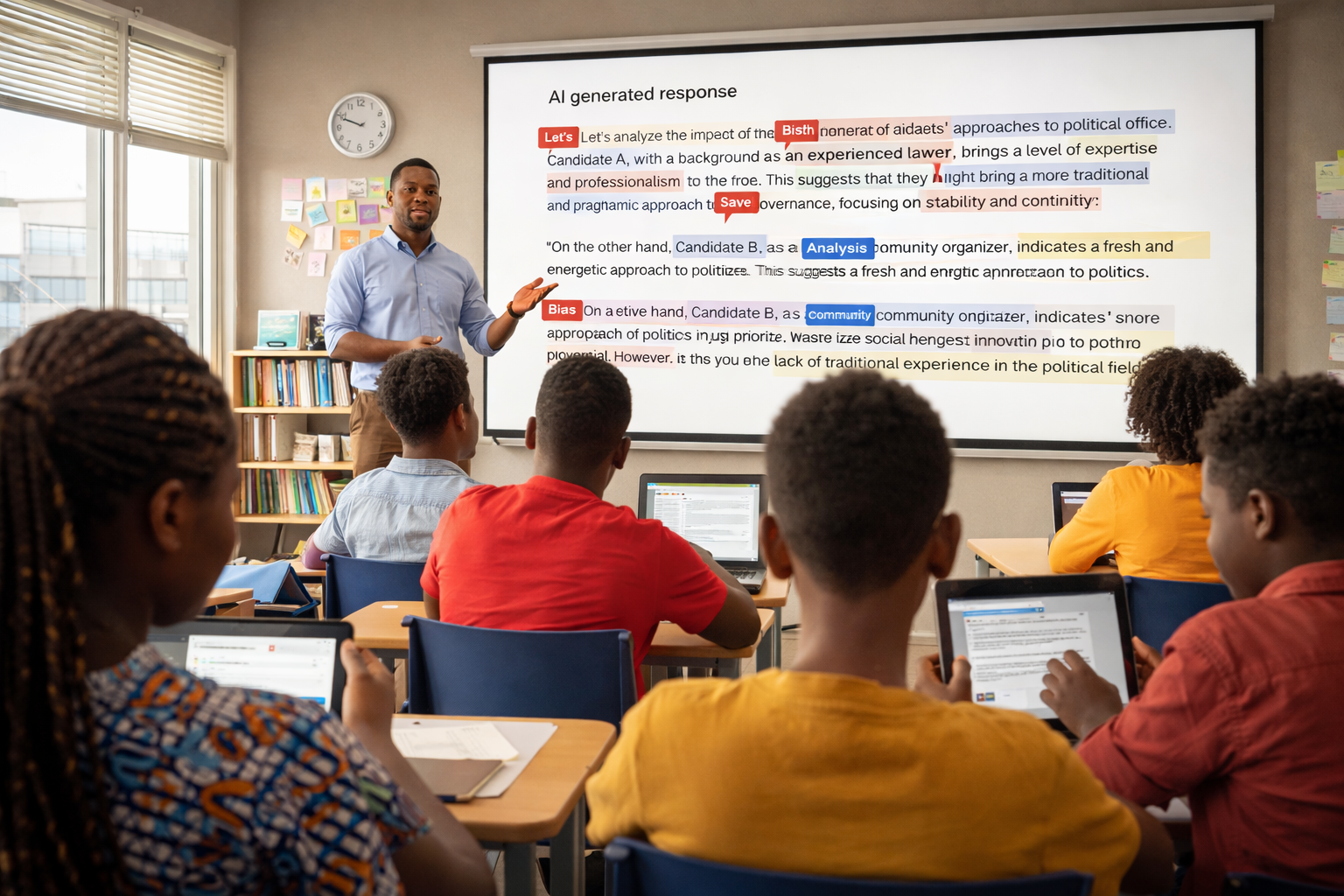
The shift toward digital learning intensified during the COVID-19 pandemic, and its effects continue to shape education today. According to UNESCO, online educational platforms have become essential in bridging learning gaps and expanding access to quality instruction—especially in underserved communities.
Recent studies also indicate that students who regularly use online educational resources often outperform peers who rely solely on traditional classroom instruction. A 2024 report published in Educational Technology Review found that students who combined online and traditional learning achieved up to 20% higher retention and comprehension rates.
As a result, the importance of free, accessible educational resources cannot be overstated.
How to Choose Strong Educational Resources
Not all online learning tools are created equal. When selecting educational resources, students should prioritize:
- Credibility: Resources backed by reputable institutions, educators, or organizations
- Relevance: Content aligned with your academic goals or curriculum
- Engagement: Tools with interactive and multimedia elements
- Accessibility: Easy to use on various devices, including mobile
As you explore the resources below, keep these criteria in mind to get the most value from your learning journey.
📚 1. Khan Academy – A Foundation for All Grades
Best for: Math, science, economics, SAT/ACT prep
Khan Academy is one of the most popular free educational resources worldwide, known for its clear explanations and structured lessons. Founded in 2008, the platform offers thousands of video lessons, practice exercises, and mastery tracking across subjects.
Students benefit from:
- Personalized learning dashboards
- Interactive quizzes
- Real-world applications of concepts
According to a 2025 evaluation, students who used Khan Academy regularly improved standardized test scores by 15–25% on average.
Whether you’re reviewing algebra or preparing for college exams, Khan Academy’s resources are a must-use.
🔗 Best for: All ages, especially middle and high school students
💻 2. Coursera – University-Led Courses for Free
Best for: College-level courses and professional development
Coursera partners with top universities like Stanford, Yale, and the University of London to offer free course auditing (with optional paid certificates). Their catalog spans:
- Computer science
- Humanities
- Health sciences
- Business management
- Data science and AI
In 2024, Coursera reported a surge in learners using free courses to upskill for job markets, especially in tech and business.
📌 Pro tip: Audit courses for free content, and only purchase certificates if you need official documentation.
🧠 3. edX – Deep Learning with University Courses
Best for: Deep academic learning and advanced studies
edX was founded by Harvard and MIT and functions similarly to Coursera. Students can audit courses at no cost or pursue paid certificates. Topics include:
- Philosophy
- Engineering
- Computer science
- Language and culture
edX is particularly strong for students who want deeper, university-style coursework without the tuition fees.
🔗 Best for: College and adult learners
🗣️ 4. Duolingo – Fun and Free Language Learning
Best for: Language learners of all ages
If you want to learn a new language — whether Spanish, French, Swahili, or Japanese — Duolingo is one of the most engaging educational resources available. It uses game-like levels and repetition to reinforce vocabulary, grammar, and pronunciation.
Recent research shows Duolingo learners achieve measurable proficiency gains with consistent daily use, especially for beginners building foundational skills.
🔗 Best for: Casual and structured language learners
📖 5. Project Gutenberg – Free Books and Literature
Best for: Literature, history, and humanities students
Project Gutenberg offers over 60,000 free ebooks — including classic literature, historical texts, and reference works. This is an especially valuable resource for students studying:
- English literature
- World history
- Philosophy
- Poetry
Because the library includes public domain works, students can access full texts legally and without charge.
🔗 Best for: Literature and humanities studies
📊 6. Google Scholar – Powerful Research and Academic Articles
Best for: College research, essays, and academic writing
Google Scholar is one of the best free educational resources for students engaged in research. It aggregates scholarly articles, theses, books, and conference papers across disciplines.
Tips for using Google Scholar:
- Use quotation marks for exact searches
- Filter by publication date
- Set alerts for new publications in your field
Google Scholar is particularly useful for term papers, research projects, and literature reviews.
🔗 Best for: College and graduate students
🎥 7. YouTube – Educational Channels and Tutorials
Best for: Visual learners and supplemental learning
YouTube isn’t only for entertainment — it’s home to thousands of high-quality educational channels. Some standout examples include:
- CrashCourse – Quick, engaging overviews of history, science, and math
- TED-Ed – Animated lessons on complex concepts
- Veritasium – Deep science explorations
- Numberphile – Engaging math topics
Research shows that visual learning enhances retention by up to 25% for many learners, especially when combined with active note-taking.
📌 Tip: Always check the credibility of the creator and the quality of sources cited in videos.
🧪 8. Codecademy – Coding, Web Development, and Tech Skills
Best for: Students wanting to learn programming and tech skills
For students interested in tech, Codecademy offers interactive coding lessons in:
- Python
- HTML/CSS
- JavaScript
- SQL
- Data science
While some advanced lessons require a subscription, many introductory courses are completely free.
Recent labour market reports show that coding skills are among the most in-demand competencies in 2025.
🔗 Best for: Students exploring tech careers
📚 9. Quizlet – Flashcards and Study Tools
Best for: Test prep and memorization
Quizlet allows students to create and use flashcards, quizzes, and study games. It’s particularly effective for:
- Vocabulary retention
- Anatomy review
- History dates
- Language practice
Studies show that spaced repetition — a core feature of Quizlet — can increase memory retention by up to 50% over traditional study methods.
🔗 Best for: Memorization and review
📊 10. MIT OpenCourseWare – Free University Lecture Materials
Best for: College-level lecture notes and course content
MIT OpenCourseWare mirrors actual MIT courses — offering syllabi, lecture notes, and assignments from world-class engineering, science, and math programs.
This is especially valuable for students interested in advanced STEM fields.
🔗 Best for: Advanced learners and STEM students
📈 11. Khan Academy SAT/ACT Prep – Targeted Test Practice
Best for: Test preparation support
In partnership with the College Board, Khan Academy offers free SAT prep tools customized to each student’s practice test results.
This adaptive learning platform provides:
- Personalized practice questions
- Video tutorials
- Practice tests
Research shows that students who use Khan Academy SAT prep regularly can improve scores by 100+ points on average.
🎓 12. Coursera Guided Projects – Hands-On Skill Building
Best for: Short, practical skill courses
In addition to full courses, Coursera offers Guided Projects — short, interactive lessons where students build actual skills in real time (for example, Excel workflows or Python scripts). Many of these are available for free.
These are especially useful for students who want quick, practical experience rather than full academic courses.
🧠 Maximizing Educational Resources for Better Outcomes
To get the most from online educational resources, students should:
✔ Create a Learning Schedule
Treat online study like a classroom commitment.
✔ Use Multiple Platforms
Rotate resources so that learning is varied and engaging.
✔ Take Notes Actively
Active note-taking improves understanding and retention.
✔ Join Online Study Communities
Engage with peers to solve problems and stay motivated.
✔ Set Clear Learning Goals
Define what you want to learn — and set measurable milestones.
📈 Research Insights: Why Online Resources Work
Recent educational research finds that students who actively engage with online learning tools are more likely to:
- Develop critical thinking skills
- Improve self-paced learning abilities
- Strengthen digital literacy
- Perform better on standardized tests
Additionally, adaptive learning platforms — those that personalize content based on students’ performance — are shown to accelerate learning by up to 30% compared to traditional methods.
🌍 The Future of Educational Resources
As technology advances, educational resources will continue to evolve. Tools powered by artificial intelligence, immersive learning (like AR/VR), and adaptive assessments are becoming mainstream.
For students, this means:
- Personalized learning at scale
- Real-time feedback and analytics
- Increased access to quality content, regardless of location
The future of education is digital — and the best free educational resources available today are preparing students for success in tomorrow’s world.
Conclusion
There has never been a more exciting time to be a learner. Thanks to the incredible array of free educational resources available online, students can learn anything from calculus to coding — without paying tuition.
From Khan Academy’s structured lessons to MIT’s advanced course materials, these tools help students build core skills, deepen understanding, and prepare for the modern workforce. By combining these resources with good study habits and clear goals, students can unlock their full academic potential.
Remember: Learning doesn’t stop at the classroom door — it continues wherever curiosity leads.