







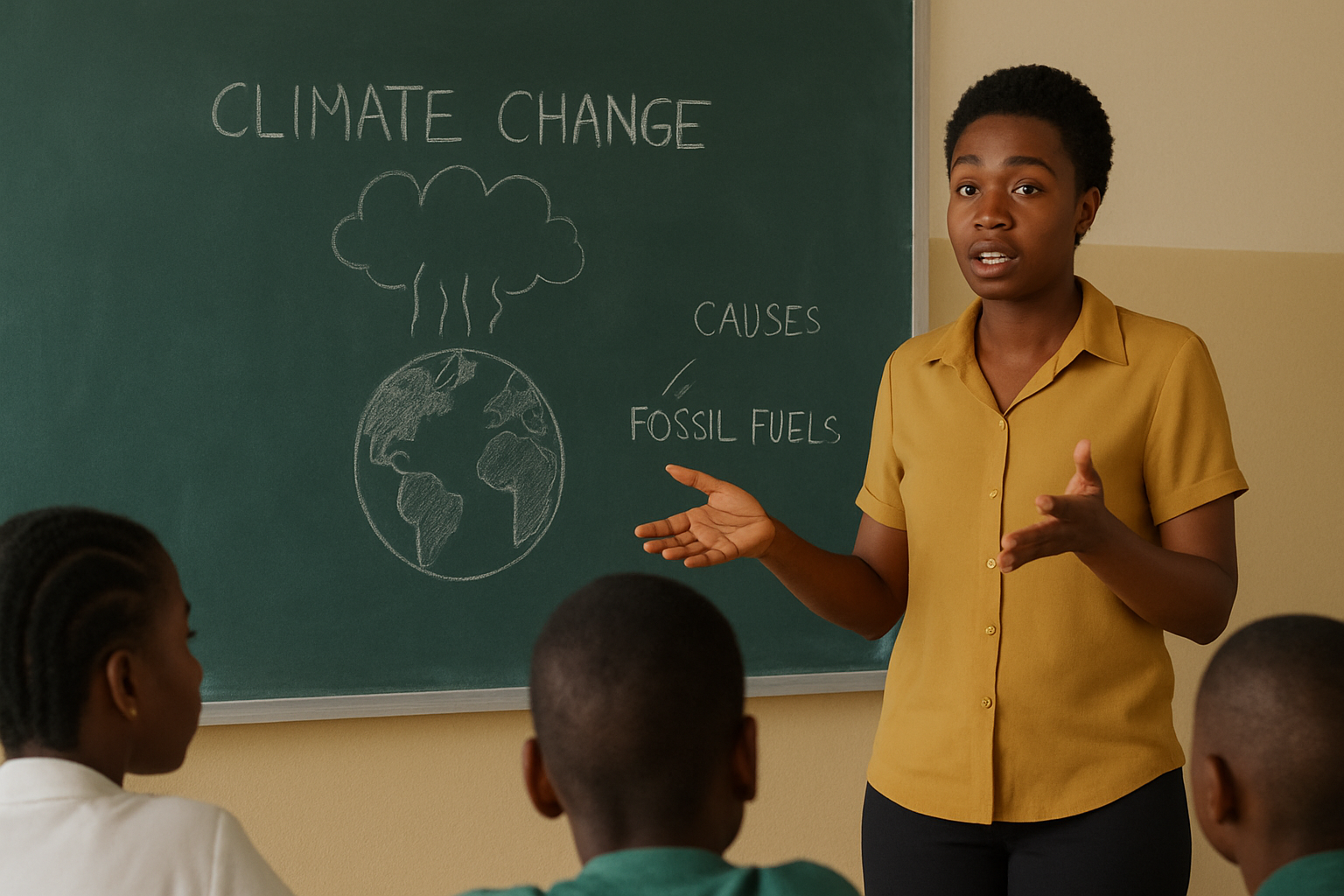
Climate change is not a distant problem — it is already affecting communities across Nigeria. Floods, droughts coastal erosion and shifting rainfall patterns are disrupting livelihoods, food production, and schooling. Teaching Climate Science in schools equips learners with the knowledge and skills to understand these changes and act locally. This article explains why Climate Science should be a core part of Nigerian education, what it should teach, and how schools can implement it effectively.
Why Climate Science Education Matters for Nigeria
Nigeria faces many climate-related challenges: coastal erosion in the south, desertification in the north, and unpredictable rainfall in agricultural zones. These impacts harm food security, increase displacement, and affect health. Teaching Climate Science builds three practical capacities:
- Preparedness and adaptation. Students can learn early-warning responses and simple local adaptation practices.
- Mitigation and behavior change. Climate literacy supports community actions like tree planting, energy saving, and waste reduction.
- Career pathways. Climate Science opens doors to green jobs in renewable energy, water management, and climate-smart agriculture.
Because of these benefits, Climate Science is an essential cross-cutting subject — not an optional add-on.
Policy Momentum and Evidence
Global science bodies emphasize climate literacy as part of climate adaptation and risk reduction. At national level, Nigeria has started to respond: ministries and partners have produced guidance and handbooks to mainstream climate concepts into school curricula. International agencies also stress that resilient schools and climate-aware curricula protect learning continuity during climate shocks.
What Climate Science Education Should Include
Good Climate Science instruction blends scientific foundations with local relevance and practical skills. Key content areas are:
Foundational concepts
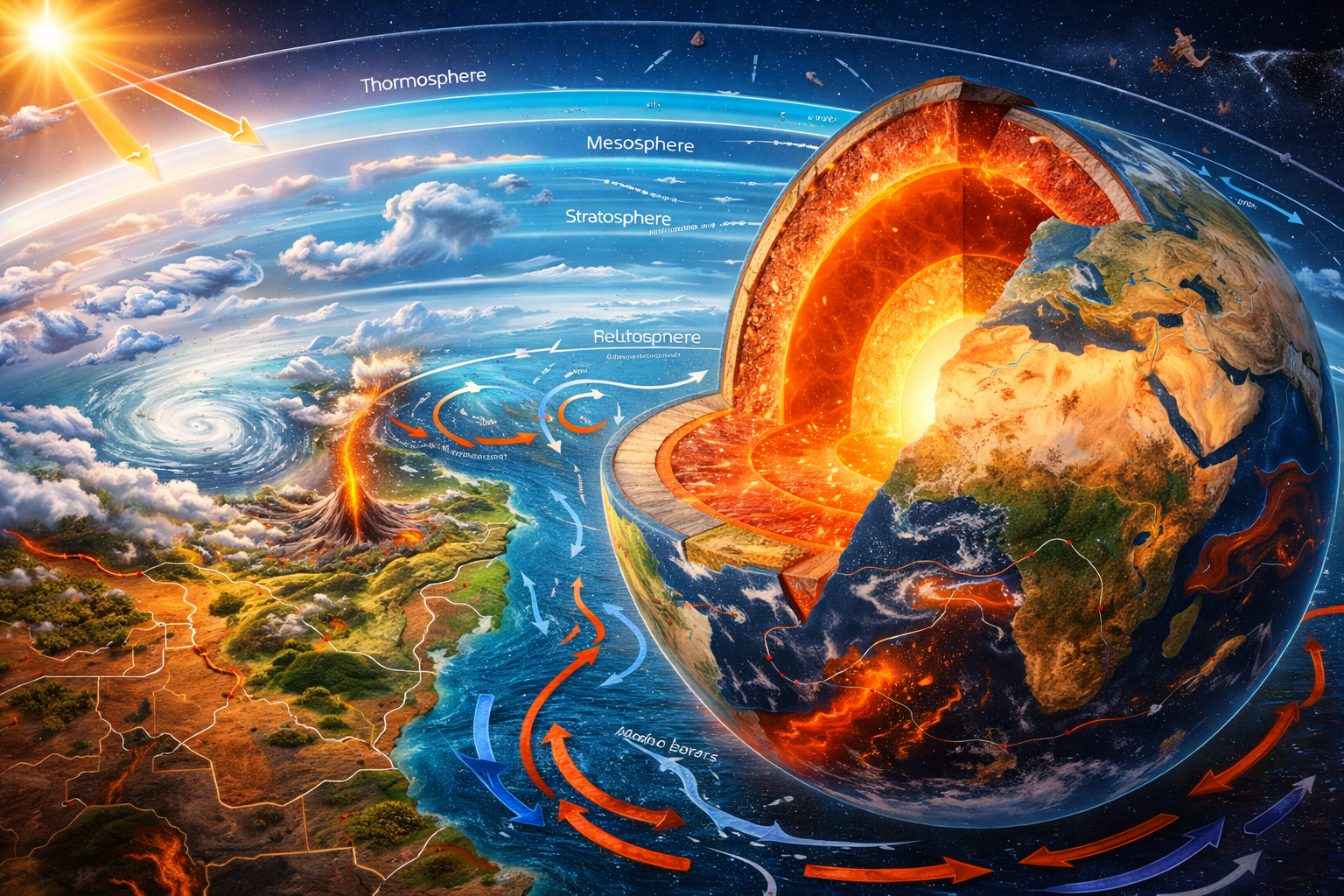
- The greenhouse effect, carbon cycle, and the difference between weather and climate.
Local impacts
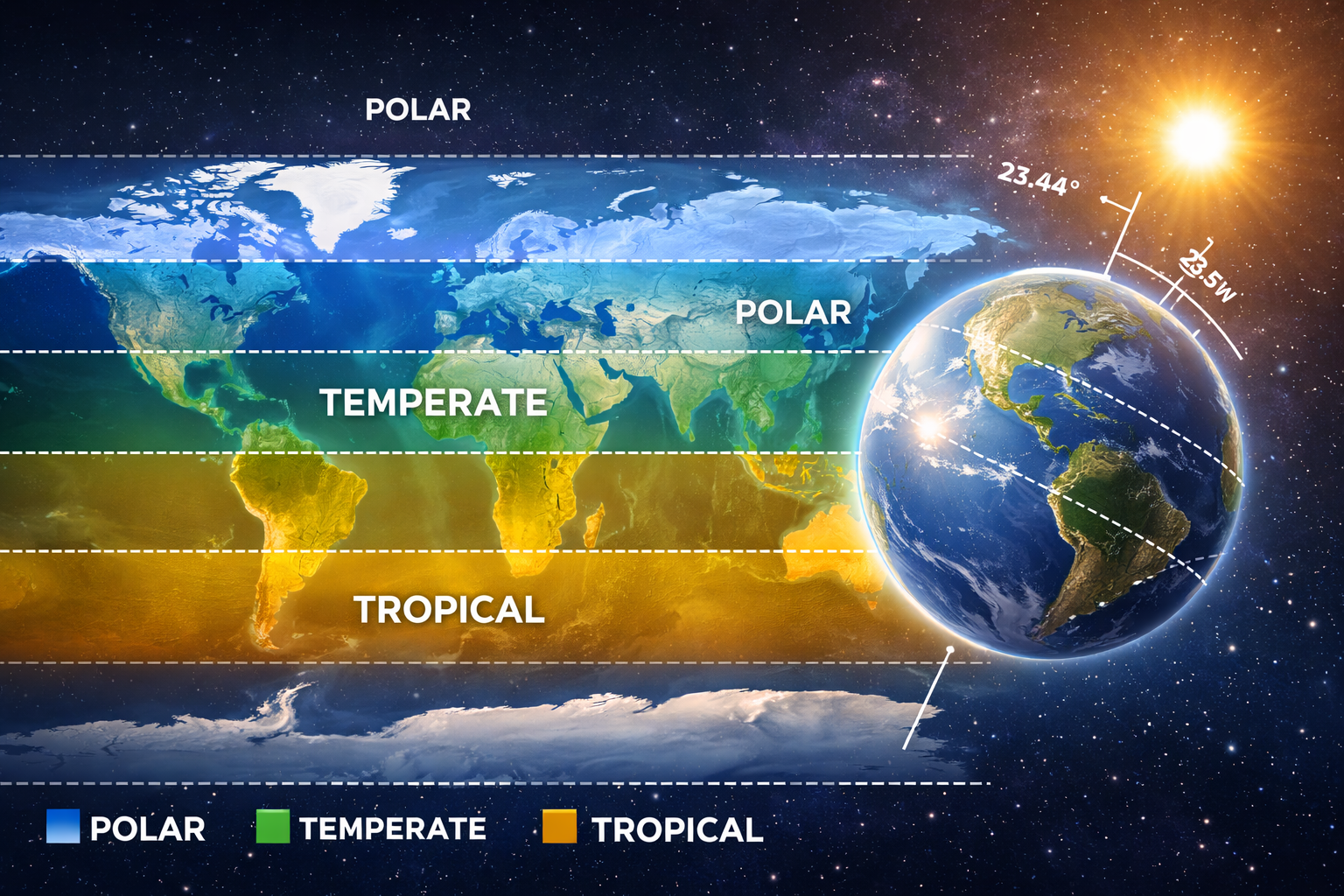
- How changing rainfall, flooding, and sea-level rise affect farming, fishing and settlements in different Nigerian states.
Adaptation and mitigation practices
- Water-harvesting, drought-tolerant crops, energy efficiency, and waste management techniques.
Risk communication and preparedness
- Interpreting forecasts, basic evacuation planning, and community response exercises.
Data literacy and critical thinking
- Reading simple climate data, evaluating sources, and spotting misinformation.
Career pathways
- Awareness of green careers and training options in renewable energy, conservation, and climate-resilient agriculture.
Integrating these topics across science, geography, vocational subjects and civic education will make Climate Science relevant to all students.
Teaching Methods That Work
Climate Science is ideal for hands-on learning. Effective pedagogies include:
- Project-based learning: students map local flood zones or run tree-planting campaigns.
- Outdoor and community learning: field visits to water bodies, farms or coastal sites.
- Citizen science: collecting rainfall or temperature data for local monitoring.
- Simulations and role-play: mock disaster-response drills and town-hall planning.
- Partnerships: working with local NGOs and youth groups for resources and mentorship.
Teacher training is essential so educators can lead inquiry-based activities and relate science to local realities.
Overcoming Barriers
Several barriers must be addressed for Climate Science to scale in Nigeria:
- Resource constraints. Many schools lack basic materials. Start with low-cost activities (rain gauges, mapping) and pursue partnerships for equipment.
- Teacher capacity. Roll out phased professional development and mentoring using national handbooks and online resources.
- Curriculum overload. Embed Climate Science across subjects rather than adding separate burdensome courses. Use project work as part of assessment.
- Community buy-in. Link school projects to visible community benefits (e.g., tree planting, clean-up drives) to build local support.
Real-World Examples and Programs
Several in-country efforts show what’s possible: school-based campaigns that combine education with community action, NGO partnerships that deliver teacher training and learning materials, and pilot projects that use citizen science to feed local early-warning systems. These models demonstrate that Climate Science can be taught effectively even with limited budgets.
Measuring Success
Governments and partners should track indicators that show real learning and local impact:
- Student mastery of climate concepts and practical skills.
- Number and quality of school-led climate projects.
- Teacher training participation and classroom changes.
- Community adoption of climate-smart practices.
- Student pathways into green skills training or jobs.
Collecting simple, repeatable data helps improve programs and convince funders to scale what works.
Call to Action for Stakeholders
Policymakers: mainstream Climate Science across curricula, fund teacher training, and support resilient school infrastructure.
School leaders and teachers: begin with local, practical projects and partnerships with NGOs.
Donors and private sector: fund scalable teacher development and resilient facilities.
Communities and youth groups: partner with schools on citizen science and visible adaptation projects.
Conclusion
Climate Science education is essential for Nigeria’s future. Teaching students the science behind climate change, how it affects their communities, and practical ways to respond builds resilience, creates green job pathways, and strengthens community capacity. Schools are the most powerful institutions to deliver this knowledge — and the time to act is now.
FAQ Section
1. Why is Climate Science education important for Nigerian students?
Climate Science education helps Nigerian students understand the causes and consequences of climate change and empowers them with skills to respond to environmental challenges such as flooding, desertification, and food insecurity. It prepares them to become responsible citizens and future innovators in sustainability.
2. What topics should be included in Climate Science education in schools?
Key topics should include climate change causes, greenhouse gases, renewable energy, waste management, environmental conservation, weather patterns, sustainable agriculture, and disaster preparedness tailored to Nigerian environmental realities.
3. How can Nigerian schools integrate Climate Science into the curriculum?
Schools can integrate Climate Science through science subjects like Biology, Geography, and Physics, or introduce it as a standalone course. Practical activities such as tree-planting, weather observation, recycling projects, and climate clubs can make learning hands-on and engaging.
4. What are the benefits of teaching Climate Science in Nigerian schools?
Teaching Climate Science improves environmental awareness, promotes green innovation, encourages sustainable living, prepares students for green economy careers, and supports Nigeria’s efforts to meet global climate goals like the Paris Agreement and SDGs.
5. What role can teachers and policymakers play in promoting Climate Science education?
Teachers can undergo professional training to effectively teach Climate Science, while policymakers can support curriculum reforms, create funding for environmental projects, and enforce national policies that prioritize climate education at primary, secondary, and tertiary levels.