





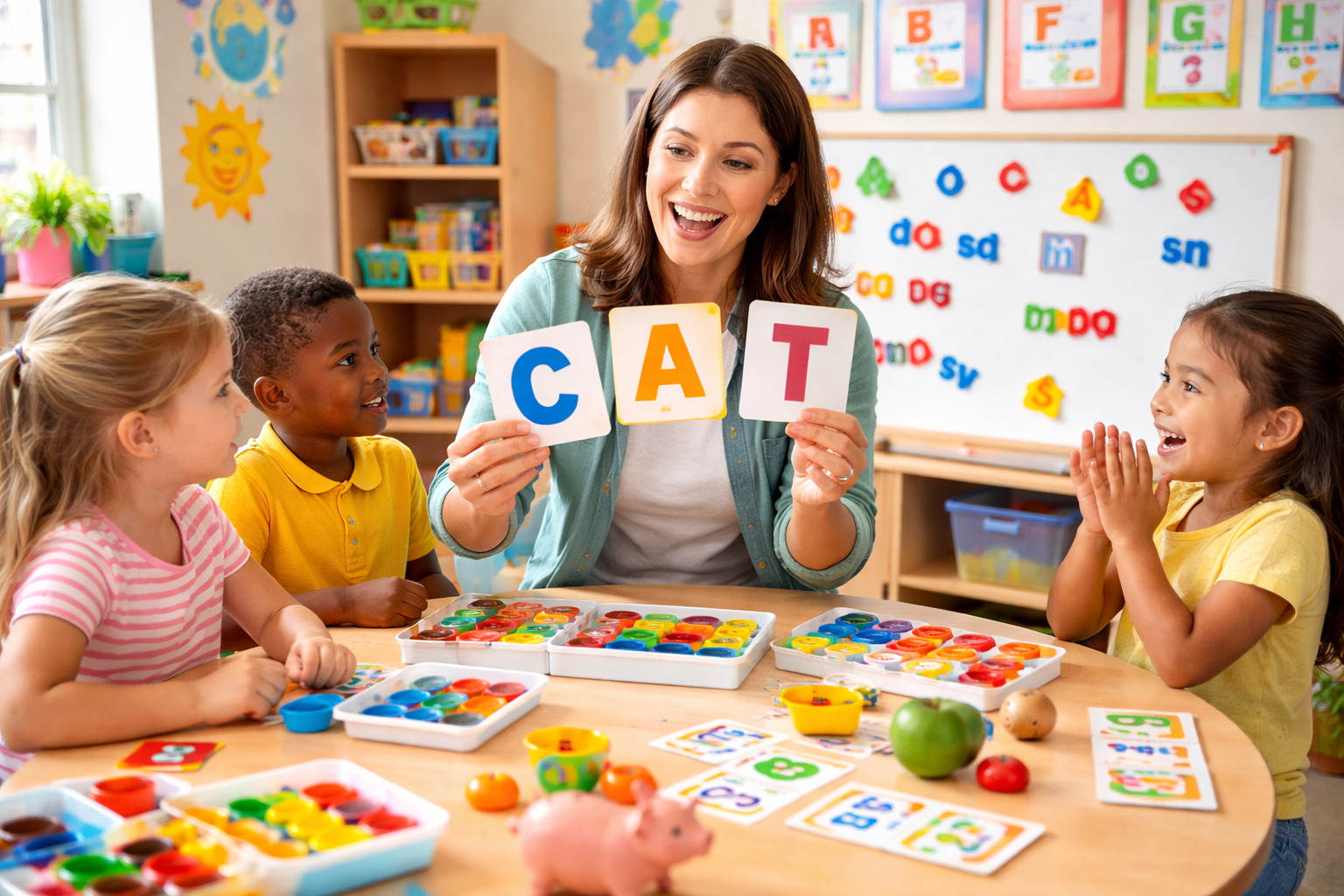



Teaching kids to respect authority isn’t about blind obedience — it’s about building understanding, mutual respect, and internal self-discipline that will serve them throughout life. In today’s fast-changing world, children benefit most from learning why authority matters, how it supports safety and fairness, and how to interact respectfully even when they think differently. In this detailed guide, we’ll explore five practical, research-based ways parents and caregivers can teach their kids to respect authority — without stifling curiosity or discouraging critical thinking.
Why Teaching Respect for Authority Really Matters
Respect for authority refers to a child’s ability to recognize and respond appropriately to people in positions of responsibility like parents, teachers, coaches, and law enforcement officers. Research shows that respect for parental authority is linked with lower parent-child conflict and more positive family dynamics when combined with supportive communication and good discipline practices. (PubMed)
In addition, the interaction between respect for authority and social behavior can influence how kids relate to peers, adults, and societal norms as they grow. Supporting healthy respect helps children develop accountability, empathy, and responsibility — core skills that matter well beyond childhood.
1. Model Respectful Behavior: The Foundation of Learning
Children are powerful observers. Long before they understand rules, kids watch how adults behave. If parents model respectful interactions — not just with their kids, but with authority figures and other adults — children absorb those lessons implicitly. (Near Me)
Actionable Tips to Model Respect:
- Speak politely to everyone, including service workers and strangers.
- Respond calmly when disagreeing with someone in authority.
- Admit your mistakes and demonstrate how to apologize sincerely.
The key here is consistency. Respect isn’t a catchphrase — it’s a pattern of behavior children learn first from you.
2. Set Clear Expectations & Explain the “Why” Behind Authority
Respect thrives on understanding. When children know why rules and authority figures exist, they are more likely to respect them. Simply telling kids to obey teaches compliance — but explaining the purpose of rules and authority helps internalize respect.
How to put this into practice:
- Talk about why parents, teachers, and other authority figures set boundaries.
- Discuss the purpose of laws and rules (e.g., safety, fairness, community well-being). (ParentCircle)
- Make age-appropriate connections (e.g., sharing rules in games improves fairness for everyone).
When kids understand the reasoning behind authority, it stops being an arbitrary demand and becomes a meaningful cue for responsible behavior.
3. Reinforce Respect Through Consistent Boundaries and Consequences
Setting boundaries and following through with consistent consequences is essential for teaching kids respect for authority. However — and this is important — the goal is teaching respect, not forcing obedience through fear or punishment.
Research supports using consistent discipline that is fair and predictable, not arbitrary or emotionally driven. (Reality Pathing)
This means:
- Define clear rules and communicate them in simple terms.
- Use age-appropriate consequences when rules are broken.
- Avoid empty threats and be sure to follow through when expectations aren’t met.
Consistency helps kids understand that respect is tied to reliability and fairness — not fear.
4. Communicate Openly and Empathetically
Respect isn’t one-sided. Encouraging kids to express their views respectfully gives them a voice while also teaching them to listen — a core respect skill. Open communication helps kids feel heard, reducing resistance and promoting cooperation.
Effective communication strategies include:
- Asking open-ended questions like “What do you think about this rule?”
- Listening actively and paraphrasing your child’s perspective.
- Explaining your own reasoning calmly and respectfully.
When kids see that their thoughts are valued — even when corrected — they learn that respect is mutual, not hierarchical. (ScientificOrigin)
5. Foster Empathy and Social Understanding
Respect is more than obedience; it’s about empathy — understanding how your actions affect others. Teaching kids to see the world from another’s perspective strengthens their ability to relate to authority figures, classmates, and friends.
Here are practical ways to nurture empathy:
- Use stories from books or movies to discuss characters’ feelings and decisions.
- Ask questions like “How do you think your teacher felt when…?”
- Highlight real-life examples of respectful behavior and discuss why they matter.
Empathy helps children see authority not as a power dynamic but as a part of a larger social system that keeps communities safe and cooperative. (HeroType)
Bonus Tip: Celebrate Respectful Behaviors
Positive reinforcement is a powerful tool often overlooked. When kids demonstrate respect — even in small ways — acknowledging it builds confidence and reinforces that respectful actions matter.
Simple ways to reinforce positive behavior:
- Praise specific respectful actions (“I really liked how you said thank you to your teacher.”)
- Use a reward system for consistent respectful behavior.
- Encourage kids to reflect on how their respectful actions made others feel.
Seeing respect acknowledged and appreciated makes kids more likely to repeat it.
Balancing Respect with Healthy Curiosity
Today’s parents often struggle to strike a balance: teaching kids to respect authority while encouraging critical thinking. The good news? These goals aren’t mutually exclusive.
Respecting authority doesn’t mean never questioning adults — it means knowing how to voice concerns politely and appropriately. Encourage kids to ask questions and express their opinions respectfully. This builds confidence while teaching them that respect is not submission, but thoughtful engagement.
Final Thoughts: Respect Is a Lifelong Skill
Teaching kids to respect authority is not about enforcing blind obedience or suppressing individuality. Instead, it’s about helping children understand boundaries, think with empathy, communicate effectively, and act responsibly.
When respect is rooted in understanding, consistency, and mutual communication, children are far more likely to embrace authority figures — and, eventually, become respectful, responsible adults themselves.