









Parenting advice often focuses on discipline, rules, and responsibilities. While these elements are important, many parents eventually discover that the strongest connections with their children grow through something much simpler: genuine conversation.
Talking with children respectfully—almost like trusted companions—can dramatically strengthen the parent-child relationship. This does not mean removing authority or boundaries. Instead, it means creating an environment where children feel comfortable expressing their thoughts, asking questions, and sharing their experiences.
Child development experts emphasize that when children feel heard and understood, they develop stronger emotional security and communication skills. Research from the Harvard Center on the Developing Child highlights that supportive relationships with caregivers play a critical role in shaping a child’s emotional and cognitive development.
In this article, we explore why conversational parenting matters, how it benefits children emotionally, and simple ways parents can encourage open dialogue at home.
The Power of Everyday Conversation in Parenting
Meaningful communication with children rarely requires special planning. Some of the most important conversations happen during everyday moments—while driving to school, preparing dinner, or taking a walk.
For example, a simple question during a short car ride like:
“What was the most interesting thing that happened at school today?”
can open the door to a surprisingly deep conversation.
These everyday interactions send a powerful message to children: their thoughts and experiences matter.
Over time, children who regularly talk with their parents often feel:
- Respected and valued
- Comfortable expressing their emotions
- More confident sharing ideas and concerns
According to the American Academy of Pediatrics, consistent communication between parents and children helps build trust and emotional security, which are essential for healthy development.
Why Being Heard Is Important for Children
Children, just like adults, want to feel understood. When parents actively listen and respond thoughtfully, children begin to develop important emotional and social skills.
1. Emotional Security
Open communication helps children feel safe sharing their feelings. Developmental psychologists studying Attachment Theory have found that children who experience responsive and attentive caregiving often develop stronger emotional stability and resilience.
2. Confidence and Self-Expression
When children are invited to share their opinions and experiences, they learn how to communicate clearly and confidently. These skills become valuable later in school, friendships, and future careers.
3. Stronger Parent-Child Bonds
Regular conversations strengthen emotional closeness. When children view their parents as approachable, they are more likely to seek guidance during difficult moments in life.
Psychiatrist Daniel J. Siegel explains that when parents listen calmly to their children’s thoughts and emotions, it helps children develop better emotional regulation and trust.
Talking With Children Instead of Talking At Them
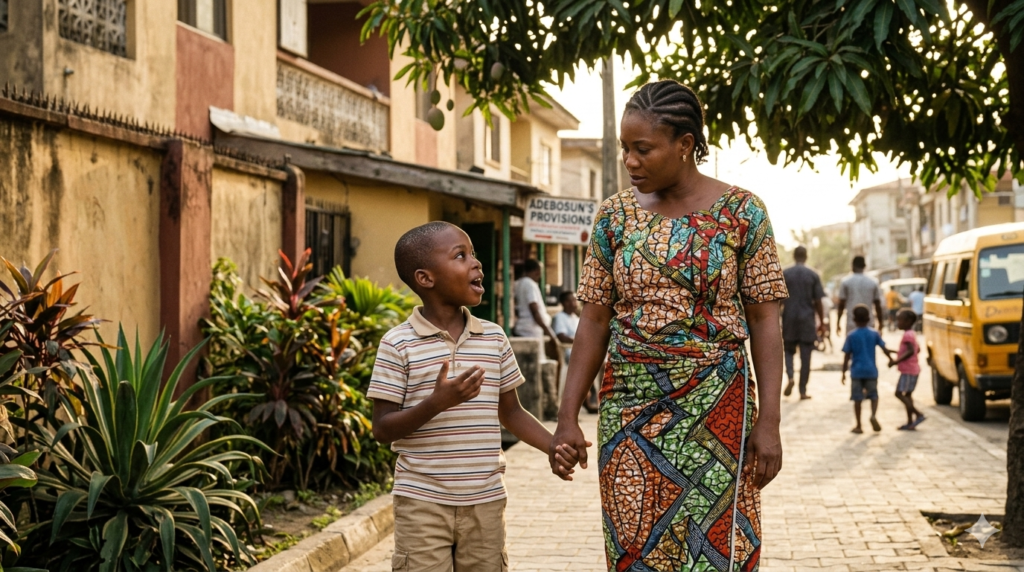
Many parents unintentionally fall into a communication pattern that focuses mainly on instructions:
- “Finish your homework.”
- “Clean your room.”
- “Stop doing that.”
While guidance is necessary, constant instruction can sometimes make children feel that their voice is less important.
Conversational parenting encourages interaction instead of one-way communication.
For example:
Instead of only saying:
“Finish your homework.”
You might say:
“Which subject are you working on today? Is it interesting?”
Instead of:
“Stop arguing with your brother.”
You might ask:
“What happened between you two?”
These small adjustments invite children to think, reflect, and participate in the conversation.
How Parent-Child Communication Evolves Over Time
The relationship between parents and children naturally changes as children grow.
During early childhood, parents provide strong guidance and structure. As children become teenagers and young adults, communication often becomes more collaborative.
Parents who establish open communication early may notice that their children remain comfortable sharing their thoughts during adolescence—a period when many families experience communication challenges.
Over time, these conversations can evolve into meaningful discussions about life decisions, goals, and personal values.
In many families, adult children eventually develop a friendship-like relationship with their parents built on years of mutual respect and open dialogue.
Challenges of Conversational Parenting
Encouraging open communication is valuable, but it is not always easy.
Parents often juggle work, responsibilities, and daily stress. Children may also test boundaries, ask difficult questions, or express strong emotions.
Moments of disagreement are natural.
However, these moments can become powerful learning opportunities. When parents remain calm and listen carefully, they demonstrate how conflicts can be handled respectfully.
Children learn not only from what parents say, but also from how parents respond during challenging conversations.
Finding the Balance Between Friendliness and Guidance
Talking with children like trusted companions does not mean treating them exactly like adult friends. Parents still have an essential role in providing guidance, protection, and boundaries.
Healthy parenting often involves balancing two roles:
Supportive Listener
Parents create a safe space where children can share their feelings, ideas, and experiences.
Responsible Guide
Parents provide structure, values, and direction to help children navigate life safely.
When these two roles work together, children benefit from both emotional support and clear guidance.
Simple Ways to Encourage Open Communication
Building strong communication habits does not require complicated strategies. Small daily actions can make a significant difference.
Make Time for Conversation
Even brief daily conversations can strengthen connection.
Some of the best moments include:
- During family meals
- While driving together
- Before bedtime
These relaxed moments often encourage children to open up naturally.
Ask Open-Ended Questions
Questions that require more than a “yes” or “no” answer encourage deeper discussion.
Examples include:
- “What made you smile today?”
- “What was the most interesting thing you learned today?”
- “If you could change one thing about today, what would it be?”
Listen Without Interrupting
Children feel valued when parents allow them to finish speaking before responding. Active listening helps children feel respected and understood.
Share Your Own Experiences
Occasionally sharing your own thoughts or stories can help children feel more comfortable expressing themselves.
For example:
“I remember feeling nervous on my first day at a new school too.”
This kind of response shows empathy and strengthens emotional connection.
The Long-Term Benefits of Open Parent-Child Communication
The effects of strong communication can last far beyond childhood.
Adults who experienced open communication with their parents often report:
- Stronger emotional resilience
- Greater confidence expressing their ideas
- Closer family relationships
Research in family psychology suggests that children who feel safe talking with their parents are more likely to seek guidance when facing challenges during adolescence and adulthood.
Over time, the habit of open dialogue helps families maintain strong connections even as children grow independent.
Recognizing That Every Family Is Different
There is no single formula for parenting. Every family has different personalities, values, and circumstances.
What works for one household may not work exactly the same for another.
However, one principle appears consistently across cultures and communities: children thrive when they feel loved, respected, and heard.
Parents who prioritize communication and trust often find it easier to navigate the many challenges of raising children.
Conclusion
Parenting is not only about providing care and discipline—it is also about building a meaningful relationship with your child.
One of the most powerful ways to strengthen that relationship is through everyday conversation.
Speaking with children openly and respectfully helps them feel valued, builds emotional confidence, and strengthens trust. Over time, these small moments of dialogue can grow into a lasting bond that supports children throughout every stage of life.
By making space for honest communication today, parents create a foundation for stronger relationships tomorrow.