



Home » education » Page 3

Digital Learning and AI in Education: Technology Reshaping the Future of Learning

In the past decade, education has shifted from traditional classrooms and chalkboards to a landscape where digital tools and intelligent systems play a central role in how students learn, collaborate, and prepare for future careers. This transformation, driven by widespread internet access and rapid advances in artificial intelligence (AI), is reshaping educational experiences at every…

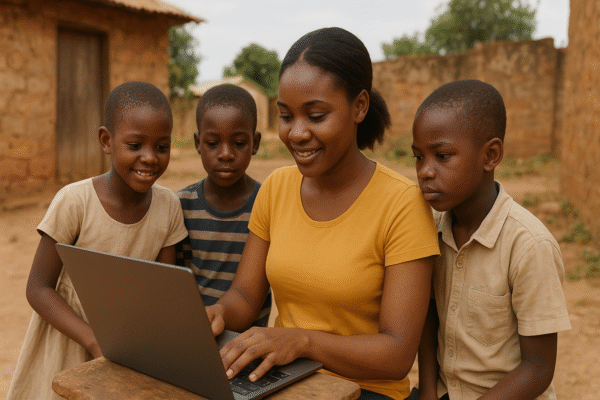
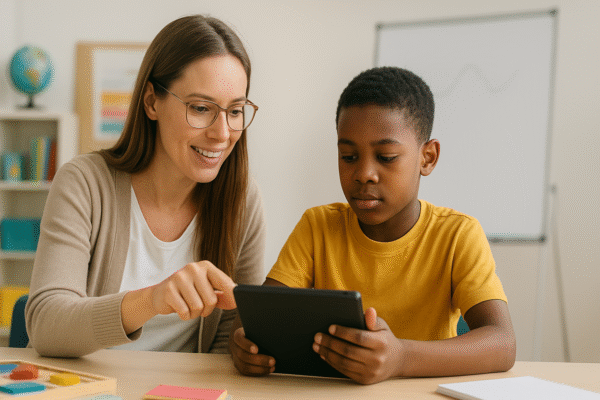
Students using digital learning tools and AI-powered education technology in a modern classroom environment.

How to Embed Health and Well-Being into Modern Education Policy

Health and well-being are no longer optional extras for schools — they are foundations for learning. As policymakers rethink what education must deliver in the 21st century, effective education policy must purposefully embed health and well-being across curricula, school systems, and community partnerships. This article presents a research-grounded, practical roadmap for integrating health and well-being…

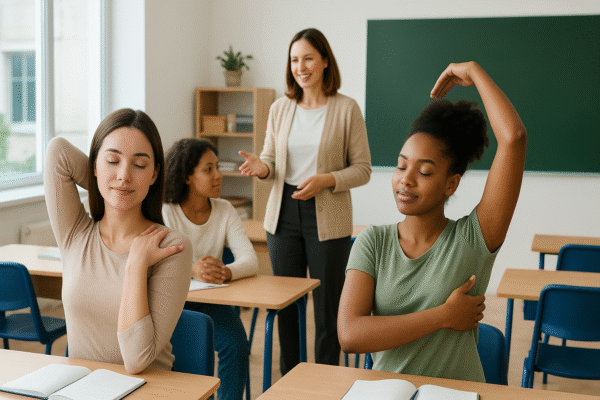
Students and teachers participating in a classroom wellbeing program, illustrating health and social-emotional learning integrated into modern education policy.

What Is the Most Important Goal of Special Education?

Special education plays a transformative role in helping learners with disabilities reach their full potential. As global conversations shift toward inclusion, equity, and individualized learning, many people ask an important and often misunderstood question: What is the most important goal of special education? While special education has many objectives — from providing access to tailored…

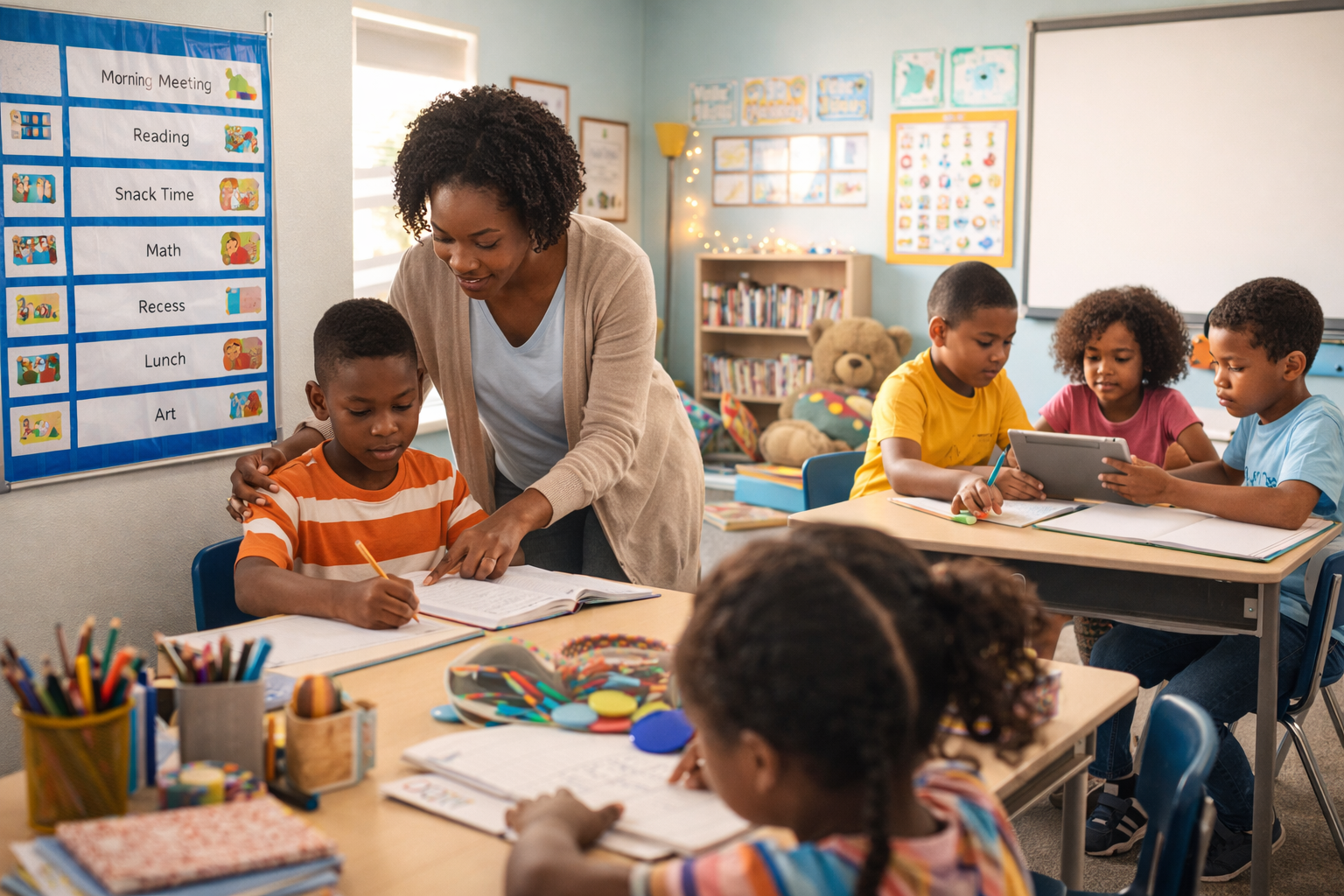
Teacher supporting a diverse group of students with disabilities during a classroom learning activity in a special education setting.

Virtual Reality in Education: Can It Replace Traditional Teaching?

The Future of Learning Is Already Here What if students could travel back to ancient civilizations, perform virtual surgeries, or explore space without leaving the classroom? That’s the power of Virtual Reality (VR) in education. As the demand for innovative learning methods grows, VR is emerging as a strong alternative—potentially even a replacement—for traditional teaching….

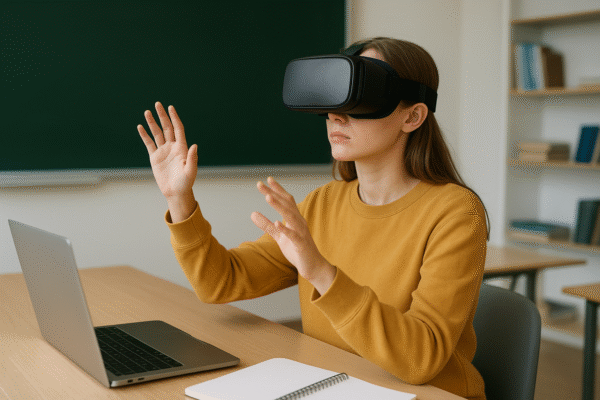
The-Rise-of-Virtual-Reality-Education:-Can-It-Truly-Replace-Traditional-Teaching?

The Importance of Climate Science Education in Nigerian Schools

Climate change is not a distant problem — it is already affecting communities across Nigeria. Floods, droughts coastal erosion and shifting rainfall patterns are disrupting livelihoods, food production, and schooling. Teaching Climate Science in schools equips learners with the knowledge and skills to understand these changes and act locally. This article explains why Climate Science…

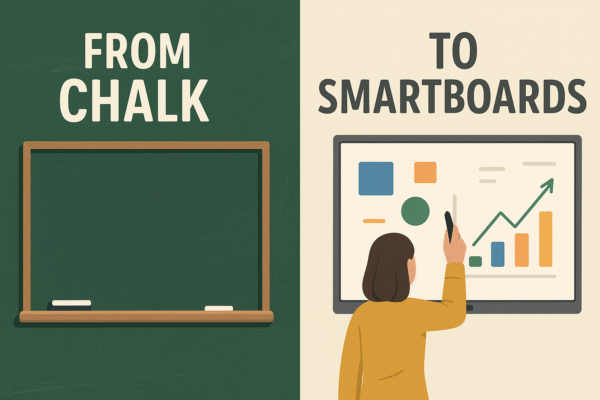
From Chalk to Smartboards: Is Africa Ready for a Digital Education Drive?

The image of an African classroom often summons chalk dust, blackboards and rows of wooden desks. Yet across the continent, governments, NGOs and edtech innovators are asking a bold question: can Africa leap from chalk to smartboards — and beyond — to scale digital education equitably? The short answer is: yes — but only where…

from-chalk-to-smartboards-digital-education-africa

how vocational training enhances education

Rethinking Education for Today’s World In an evolving global economy, traditional academic routes alone are no longer enough to equip learners with the skills needed for meaningful careers. Vocational training has emerged as a powerful complement to formal schooling — bridging gaps between classroom learning, labor market needs, and real-world job demands. By integrating practical…

vocational-training-enhances-education

How teachers can use AI in education

Digital innovation is reshaping how knowledge is created, shared, and evaluated. In classrooms and academic institutions around the world, educators are increasingly exploring intelligent digital tools to enhance teaching, streamline research, and improve learning outcomes. When used thoughtfully, these tools can support educators by saving time, offering new perspectives, and personalizing learning—without replacing professional judgment…

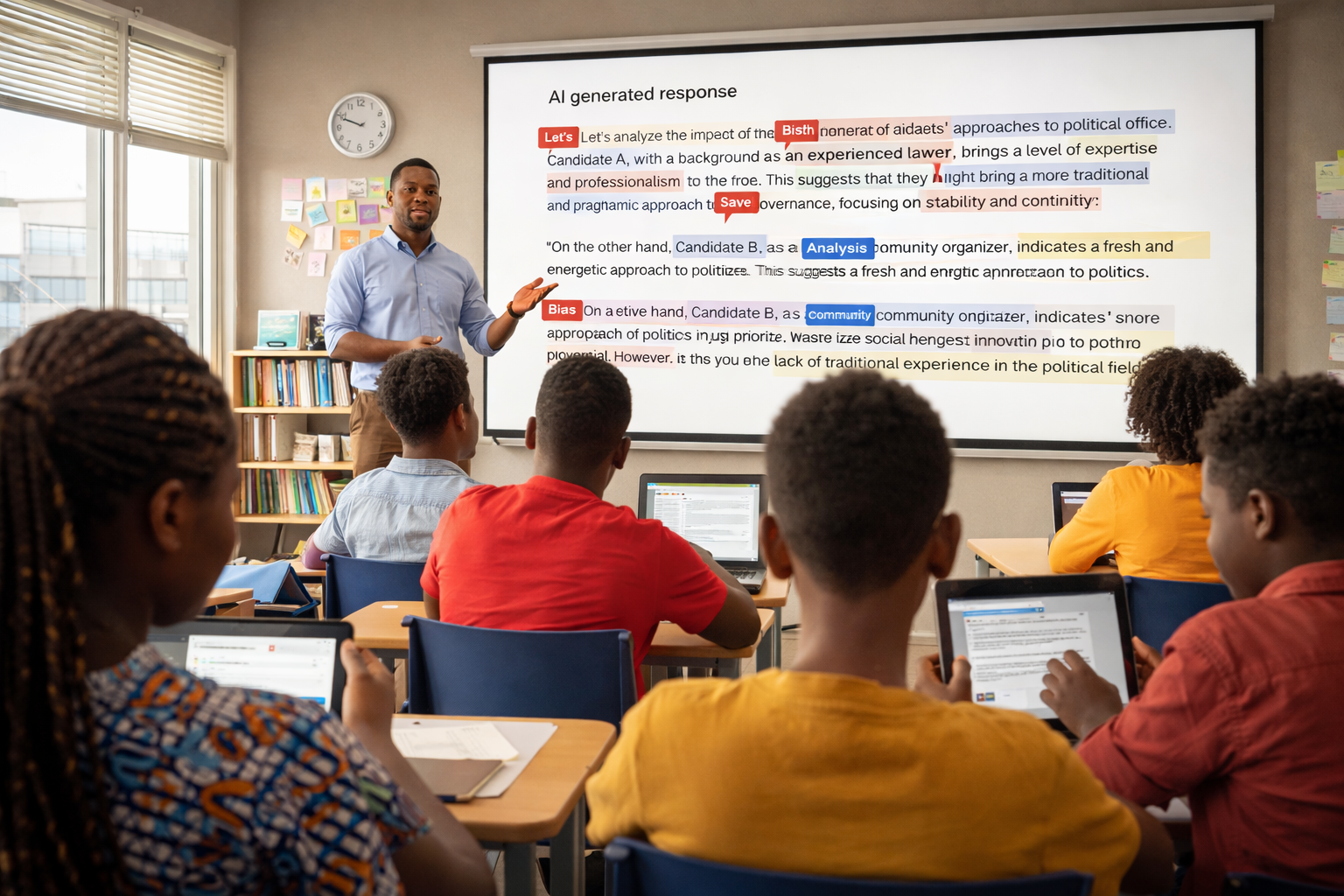
How-teachers-can-use-AI-in-education