






Teaching students with diverse learning needs requires more than goodwill and patience—it requires intentional tools that remove barriers to learning. In my experience working with inclusive classrooms and supporting students with varying abilities, the right materials can completely transform engagement, independence, and confidence.
Special education tools are not “extra” resources; they are essential supports that allow students to access instruction in ways that align with their individual strengths. Whether you are a special education teacher, a general educator in an inclusive classroom, or a school administrator making purchasing decisions, understanding these tools is critical to creating equitable learning environments.
This guide outlines ten essential special education tools and materials every teacher should consider, along with practical insights into how and when they are most effective.
Why Special Education Tools Matter
Students with special needs may experience challenges related to communication, sensory processing, attention, motor coordination, or academic comprehension. When thoughtfully selected and properly implemented, special education tools help educators:
- Adapt instruction to Individualized Education Program (IEP) goals
- Increase student engagement and on-task behavior
- Support communication and self-expression
- Promote independence and self-regulation
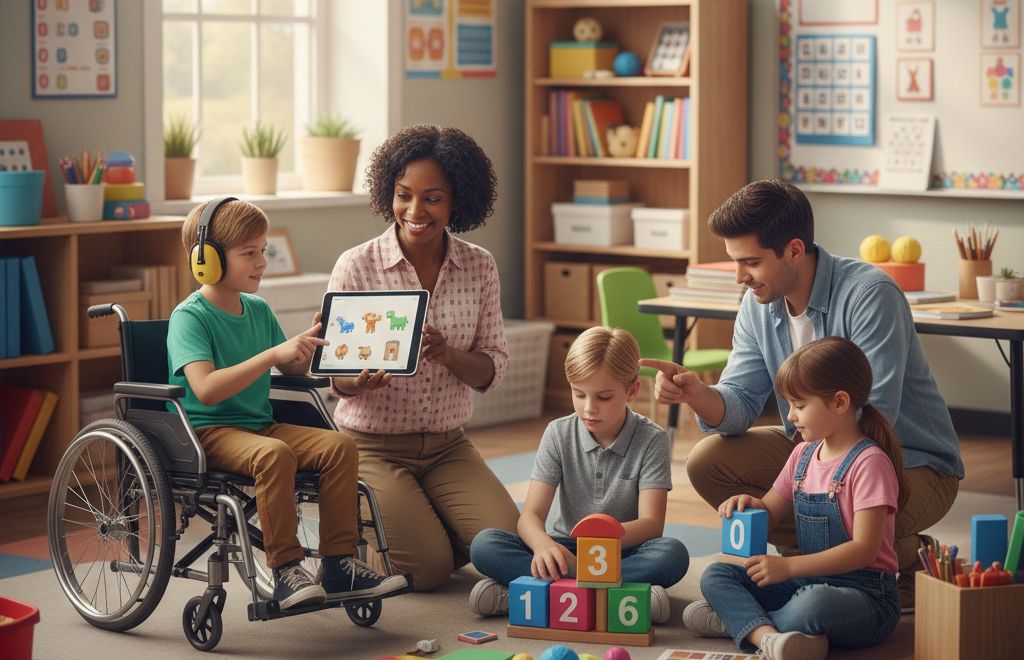
- Create inclusive, accessible classrooms
Under the Individuals with Disabilities Education Act (IDEA), schools are required to provide appropriate supports—including assistive technology—when they are necessary for students to access education meaningfully. In practice, I’ve seen that when tools are introduced intentionally rather than reactively, students are more confident and less frustrated during learning tasks.
1. Assistive Technology Devices
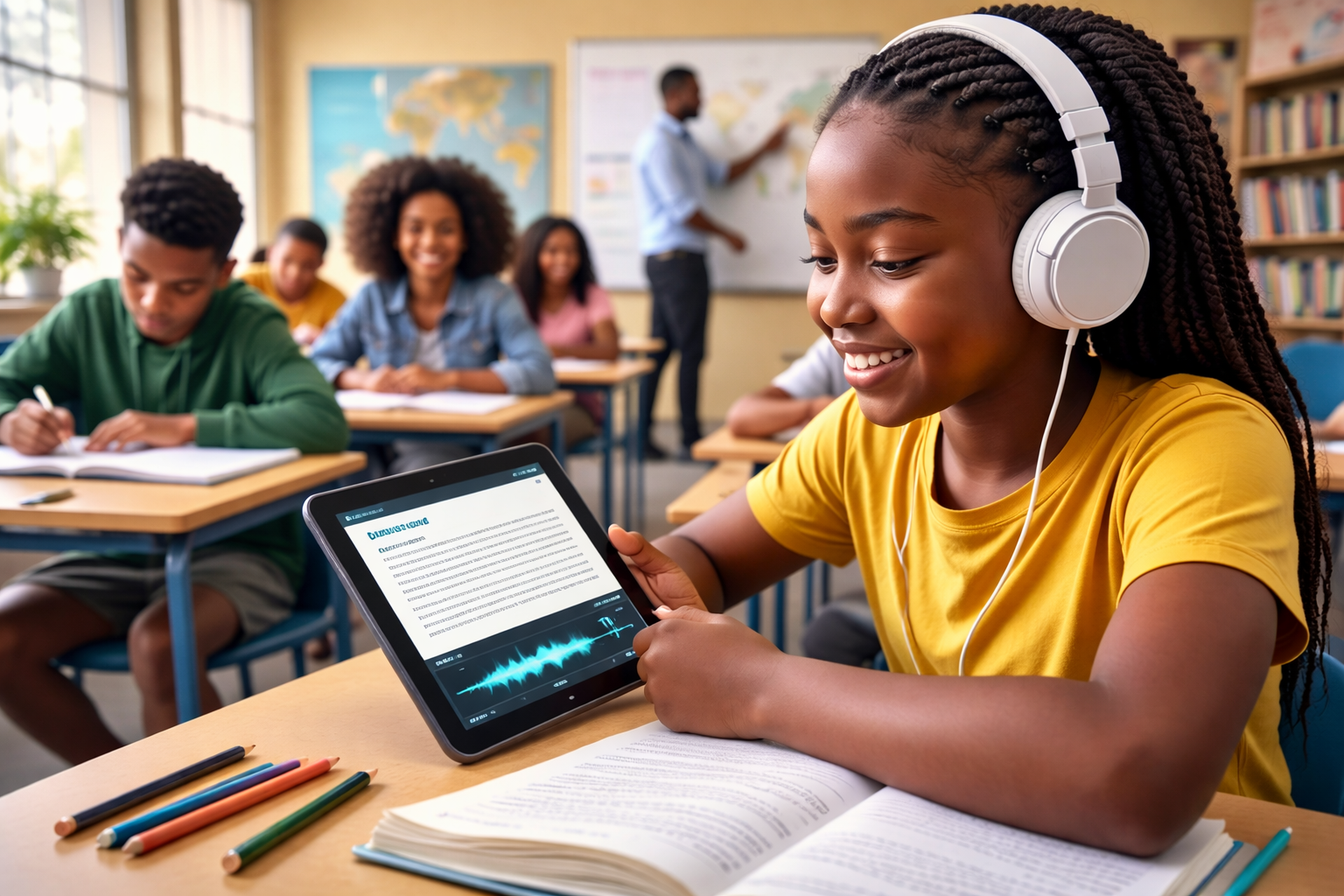
Assistive technology (AT) is one of the most impactful supports in special education. These tools help students perform tasks they may otherwise struggle with due to learning, physical, or sensory challenges.
Common Examples
- Text-to-speech and speech-to-text software
- Screen readers and magnification tools
- Adaptive keyboards and mice
- Tablet-based educational applications
According to IDEA, assistive technology includes any item or system that improves functional capabilities of students with disabilities. In classroom settings, I’ve observed that text-to-speech tools significantly reduce reading fatigue for students with dyslexia, allowing them to focus on comprehension rather than decoding.
These tools also align with Universal Design for Learning (UDL) principles by offering multiple means of representation and expression, as outlined by CAST (Center for Applied Special Technology).
2. Visual Learning Aids
Visual supports are foundational in special education, particularly for students who struggle with language processing or transitions.
Useful Visual Tools
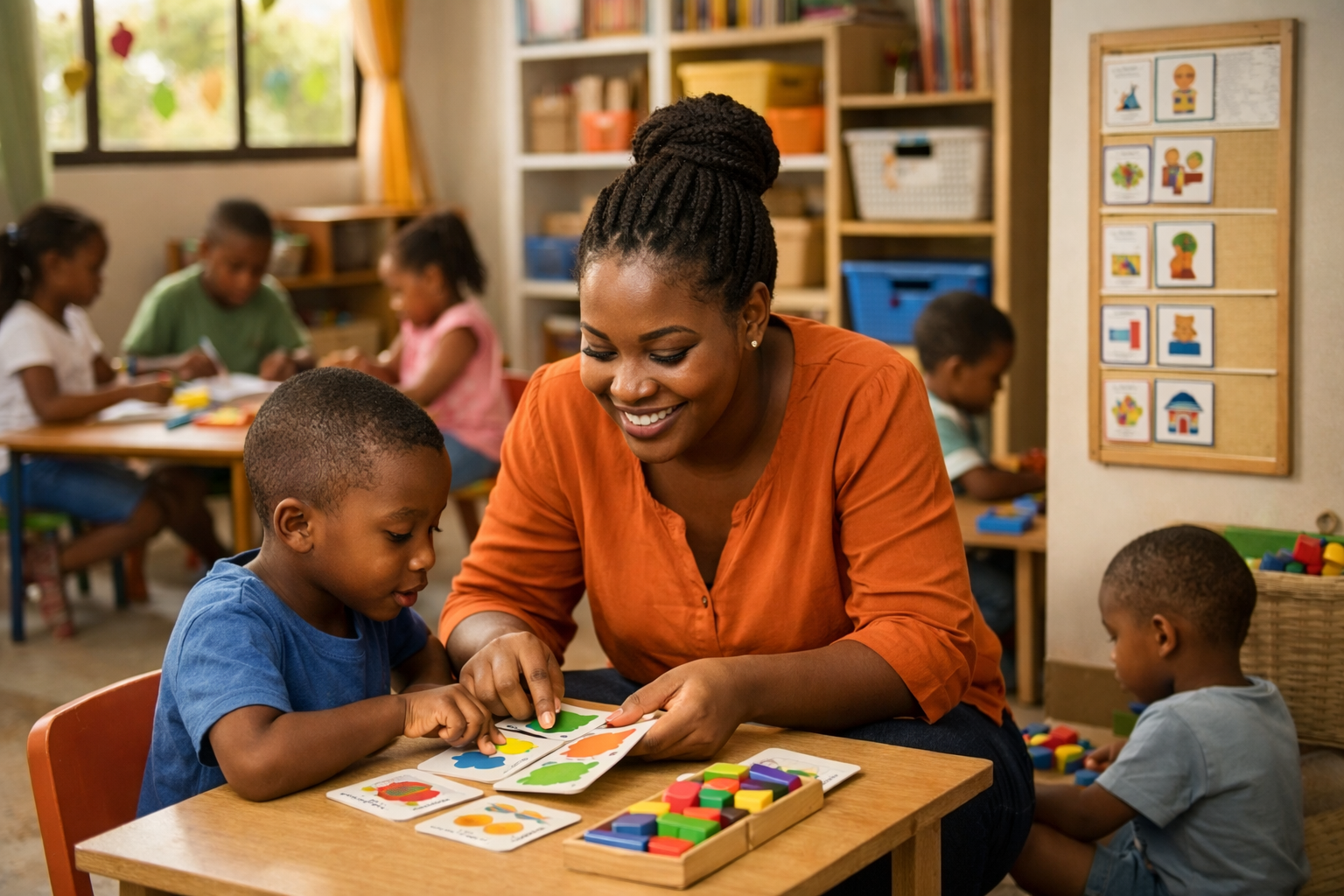
- Picture cards and symbol charts
- Visual schedules and task sequences
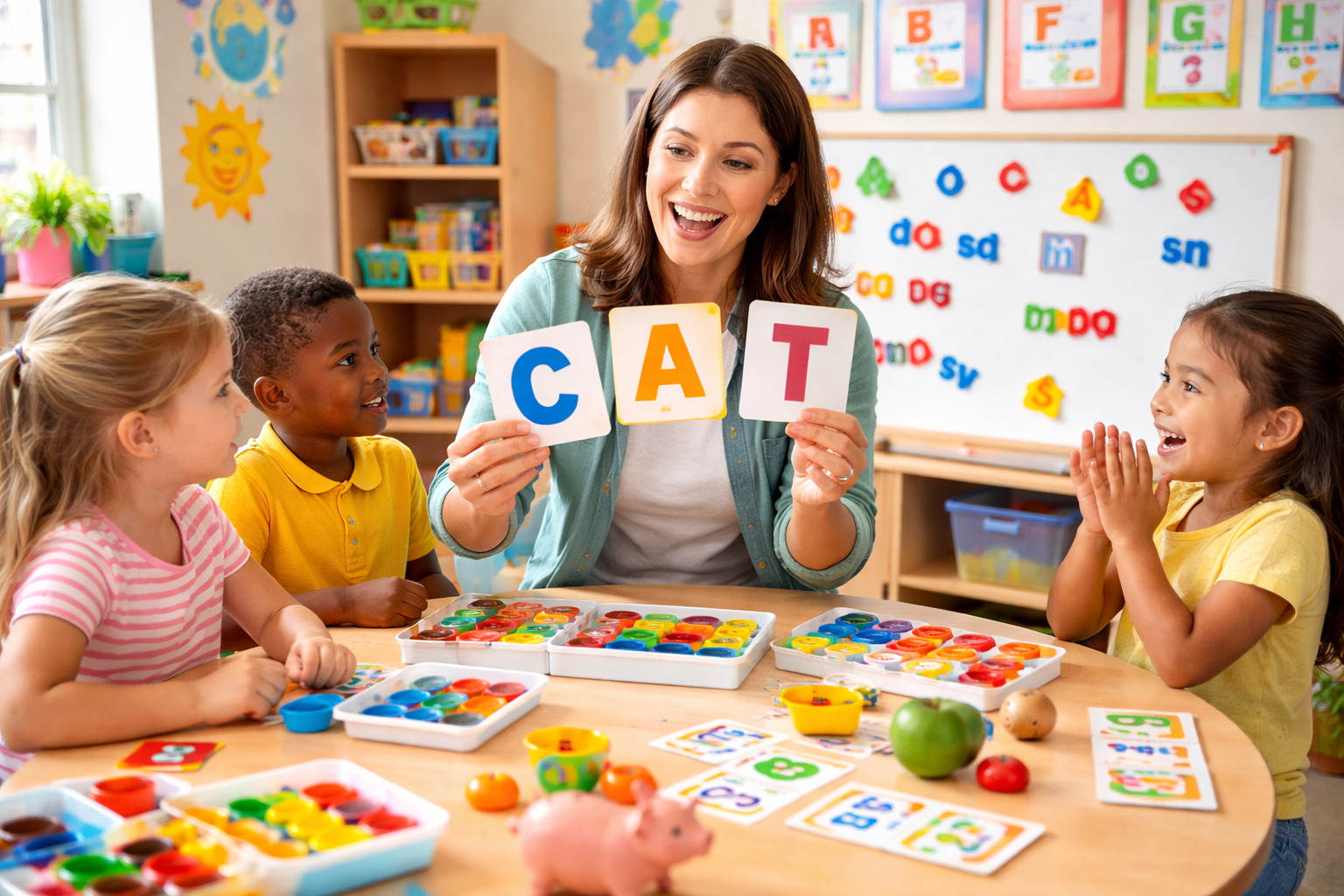
- Flashcards and graphic organizers
- Illustrated classroom rules
Visual aids help clarify expectations and reduce anxiety by making routines predictable. In my experience, visual schedules are especially effective for students on the autism spectrum, as they support transitions and minimize behavioral challenges caused by uncertainty.
3. Sensory Tools and Equipment
Sensory tools help students regulate their nervous systems and maintain focus during learning activities.
Examples of Sensory Tools
- Fidget tools and stress balls
- Weighted vests or lap pads
- Sensory bins with textured materials
- Noise-reducing headphones
Research referenced by the CDC highlights that some students benefit from sensory input to support attention and emotional regulation. When used appropriately—such as during independent work or listening activities—sensory tools can reduce restlessness and classroom disruptions. However, they are most effective when introduced with clear guidelines to prevent distraction or overdependence.
4. Communication Boards and AAC Devices
For students with limited or nonverbal communication, augmentative and alternative communication (AAC) tools are essential.
Types of Communication Supports
- Picture Exchange Communication System (PECS)
- Speech-generating devices
- Low-tech communication boards
- Symbol-based communication apps
The American Speech-Language-Hearing Association (ASHA) emphasizes that AAC does not replace speech but supports language development. I’ve seen students become more socially engaged once they are given reliable ways to express needs, preferences, and emotions.
5. Adaptive Writing and Fine Motor Tools
Writing tasks can be physically demanding for students with fine motor challenges. Adaptive tools help reduce strain and improve control.
Helpful Materials
- Pencil grips and weighted pens
- Slant boards
- Adaptive scissors
- Hand-strengthening tools
Occupational therapists often recommend these tools to support proper hand positioning and endurance. In practice, even small adjustments—like switching to a weighted pen—can dramatically reduce frustration during written tasks.
6. Educational Games and Manipulatives
Hands-on learning materials help make abstract concepts more concrete and accessible.
Common Manipulatives
- Math cubes and counting blocks
- Letter tiles and phonics games
- Puzzles and shape sorters
- Sequencing and matching games
Manipulatives are especially effective for reinforcing math and literacy skills. I’ve found they work best when paired with guided instruction, rather than used as standalone activities, to ensure learning objectives remain clear.
7. Flexible Seating Options
Not all students learn best while seated at a traditional desk. Flexible seating supports physical comfort and sensory regulation.
Seating Alternatives
- Stability balls and wobble stools
- Floor cushions and bean bags
- Standing desks
- Adjustable seating
When introduced thoughtfully, flexible seating can improve posture, attention, and engagement. Clear expectations are important—students should understand that seating choices support learning, not play.
8. Behavioral Support Tools
Positive behavior support tools help students understand expectations and regulate emotions.
Effective Behavioral Tools
- Token boards and reward systems
- Emotion charts and self-regulation visuals
- Timers and visual countdowns
- Calm-down kits
These tools are most effective when used consistently and aligned with Positive Behavioral Interventions and Supports (PBIS). In my experience, emotion charts paired with direct instruction on feelings help students develop long-term self-regulation skills.
9. Modified Curriculum Materials
Some students cannot access standard curriculum materials without adaptation.
Examples of Adapted Resources
- Simplified or leveled texts
- Large-print worksheets
- Step-by-step task cards
- Audio-supported lessons
Modifying curriculum does not lower expectations; it removes unnecessary barriers. This approach ensures students can engage with core concepts at an appropriate pace and level of complexity.
10. Organizational and Planning Tools
Organization is a key life skill, particularly for students with executive functioning challenges.
Helpful Organizational Supports
- Color-coded folders and notebooks
- Visual checklists
- Assignment planners
- Individualized work systems
These tools help students develop independence and responsibility. Over time, I’ve seen consistent use of visual checklists significantly reduce task avoidance and incomplete work.
Choosing the Right Tools for Your Classroom
No single tool works for every student. When selecting special education materials, educators should consider:
- Individual student needs and IEP goals
- Age and developmental level
- Ease of use and durability
- Alignment with instructional objectives
Collaboration with parents, special educators, therapists, and support staff ensures tools are used effectively and ethically.
Conclusion
Special education tools and materials are not optional enhancements—they are essential supports that promote access, equity, and inclusion. From assistive technology and AAC devices to sensory supports and adaptive materials, each tool plays a role in helping students overcome challenges and participate meaningfully in learning.
When educators intentionally select and implement these resources, they create classrooms that recognize individual differences and support every student’s potential. A well-equipped special education classroom is one where students are empowered—not limited—by the tools around them.