







Education has changed dramatically in the last two decades. I’ve personally experienced this shift firsthand — moving from a fully traditional classroom environment to online and blended learning formats for skill development and professional growth. That transition revealed something important: the effectiveness of a learning model depends far more on context and learner needs than on the format itself.
Today, students, parents, and working professionals face a common question:
Is online learning better than traditional classroom education — or vice versa?
This article provides a balanced, experience-driven, and research-informed comparison of online learning and traditional classroom education. It explores their strengths, limitations, and ideal use cases to help readers make informed decisions based on real-world learning outcomes rather than marketing claims.
Understanding the Two Learning Models
What Is Online Learning?
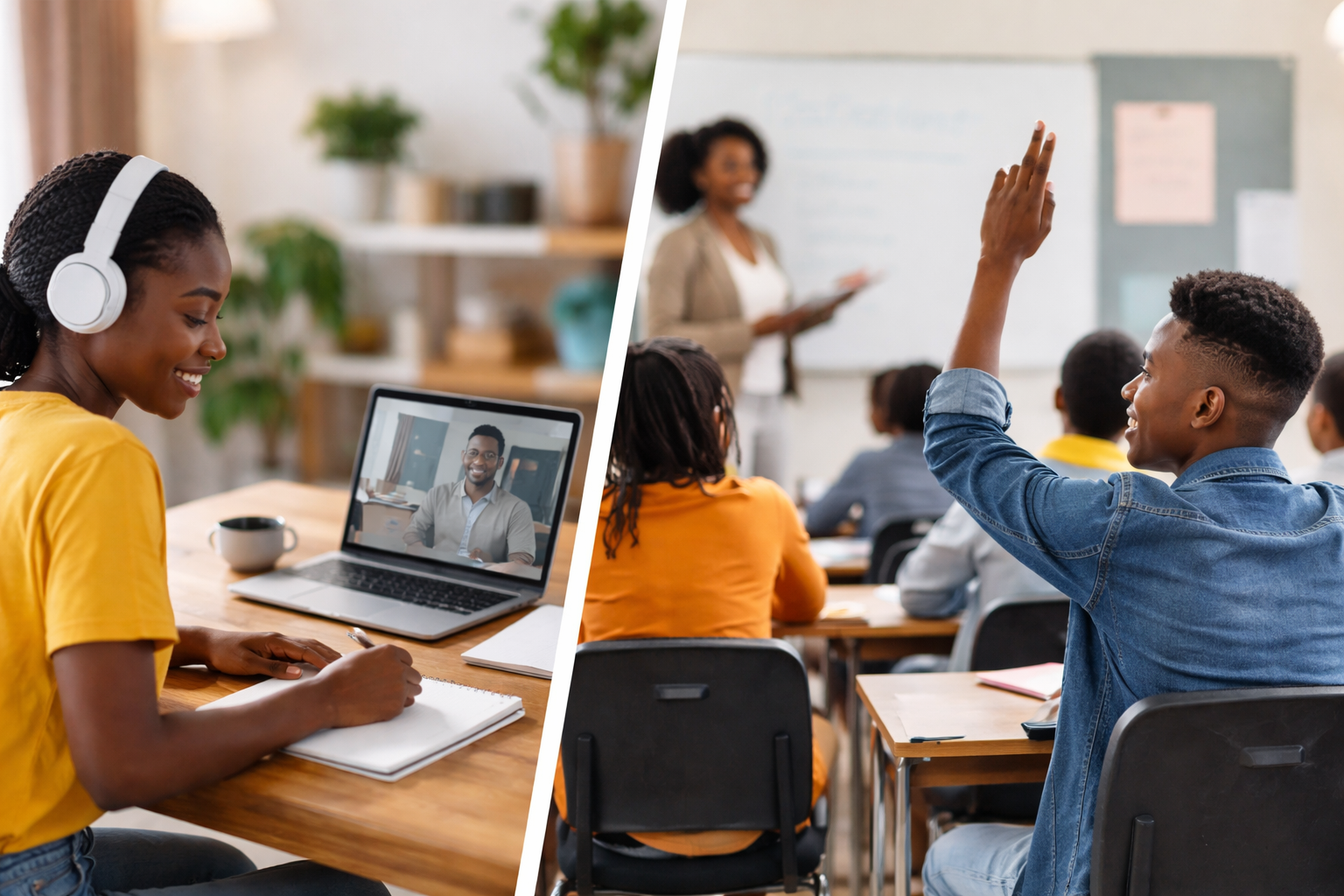
Online learning (also known as e-learning or virtual education) refers to educational programs delivered through the internet. Based on my own experience using multiple online platforms, this typically includes:
- Pre-recorded video lessons
- Live virtual classes via video conferencing
- Digital reading materials and quizzes
- Online discussion forums and assignments
Learners can access content from home or any location with reliable internet using laptops, tablets, or smartphones. Research from organizations such as UNESCO has shown that online education significantly expanded access to learning during global disruptions and continues to play a major role in lifelong learning and workforce development.
What Is Traditional Classroom Learning?
Traditional classroom learning occurs in physical settings such as schools, colleges, and training centers. It involves:
- Face-to-face instruction
- Fixed schedules and timetables
- In-person assessments and supervision
This model has been the foundation of formal education for centuries. From my own classroom experience, one of its defining strengths is immediate feedback — students can ask questions and receive clarification in real time, which is especially helpful for complex or practical subjects.
Key Differences Between Online and Classroom Learning
The core differences between these learning models shape how students experience education:
- Location: Remote vs. physical attendance
- Schedule: Flexible vs. fixed timetables
- Interaction: Digital communication vs. in-person engagement
- Learning pace: Often self-paced vs. instructor-led
- Resources: Fully digital vs. a mix of physical and digital tools
Understanding these distinctions helps learners align their choice with their goals, responsibilities, and learning preferences.
Advantages of Online Learning
Flexibility and Time Control
One of the strongest advantages of online learning — and one I personally benefited from — is flexibility. Online education allows learners to:
- Study at their own pace
- Learn outside traditional working hours
- Balance education with jobs, family, or personal responsibilities
This flexibility is particularly valuable for working professionals and adult learners. Studies consistently show that flexibility is one of the top reasons learners choose online education.
Broader Access to Education
Online learning removes geographic barriers. Learners in rural or underserved areas can access courses and certifications from institutions that would otherwise be unreachable. This increased access has been identified by global education bodies as a major driver of educational equity.
Cost Considerations
While not all online programs are inexpensive, many learners save money by avoiding:
- Daily transportation costs
- Accommodation and relocation expenses
- Printed textbooks and campus fees
However, it’s important to verify accreditation and quality, as lower cost does not always equal higher value.
Variety of Learning Options
Online platforms offer a wide range of subjects — from technical skills and business certifications to creative and academic disciplines — often updated faster than traditional curricula to match industry demand.
Limitations of Online Learning
Reduced Social Interaction
In my own experience, online learning can feel isolating without intentional engagement. The lack of physical presence may reduce:
- Peer networking opportunities
- Informal discussions
- Non-verbal feedback from instructors
This can affect motivation and collaboration for some learners.
High Self-Discipline Requirements
Online learning demands strong time-management skills. Without structured schedules, learners who struggle with procrastination may fall behind. Research consistently shows that self-discipline is a key predictor of success in online education.
Dependence on Technology
Reliable internet access, functional devices, and digital literacy are essential. Technical challenges can disrupt learning and create barriers for some students.
Advantages of Traditional Classroom Learning
Immediate Feedback and Direct Support
Classroom environments allow real-time interaction with instructors and peers. From personal experience, this immediate feedback is especially valuable for subjects that require clarification, discussion, or demonstration.
Structured Learning Environment
Fixed schedules and physical attendance create accountability. Many learners perform better when learning is embedded into a daily routine with clear expectations.
Social and Communication Skill Development
Traditional classrooms naturally foster teamwork, communication skills, and social development through group projects, discussions, and extracurricular activities — benefits that extend beyond academics.
Hands-On Learning Opportunities
Subjects such as laboratory sciences, healthcare, engineering, and technical trades often require physical equipment and supervised practice. In these cases, classroom learning remains the most effective option.
Limitations of Traditional Classroom Learning
Limited Flexibility
Fixed schedules and locations can be challenging for learners balancing work, health concerns, or family responsibilities.
Higher Financial Barriers
Tuition fees, transportation, housing, and campus costs can make traditional education less accessible for some learners.
Limited Personalization
Classroom instruction is often designed for groups, which can make it harder to fully adapt lessons to individual learning speeds or styles.
When Online Learning Works Best
Online learning is particularly effective for:
- Working professionals seeking career advancement
- Self-motivated learners comfortable with independent study
- Learners in remote or underserved regions
- Continuing education and skill-based training
For theory-based subjects and digital skills, online learning can be just as effective as classroom instruction when supported by quality content and learner discipline.
When Traditional Classroom Learning Is the Better Choice
Traditional learning is often more suitable for:
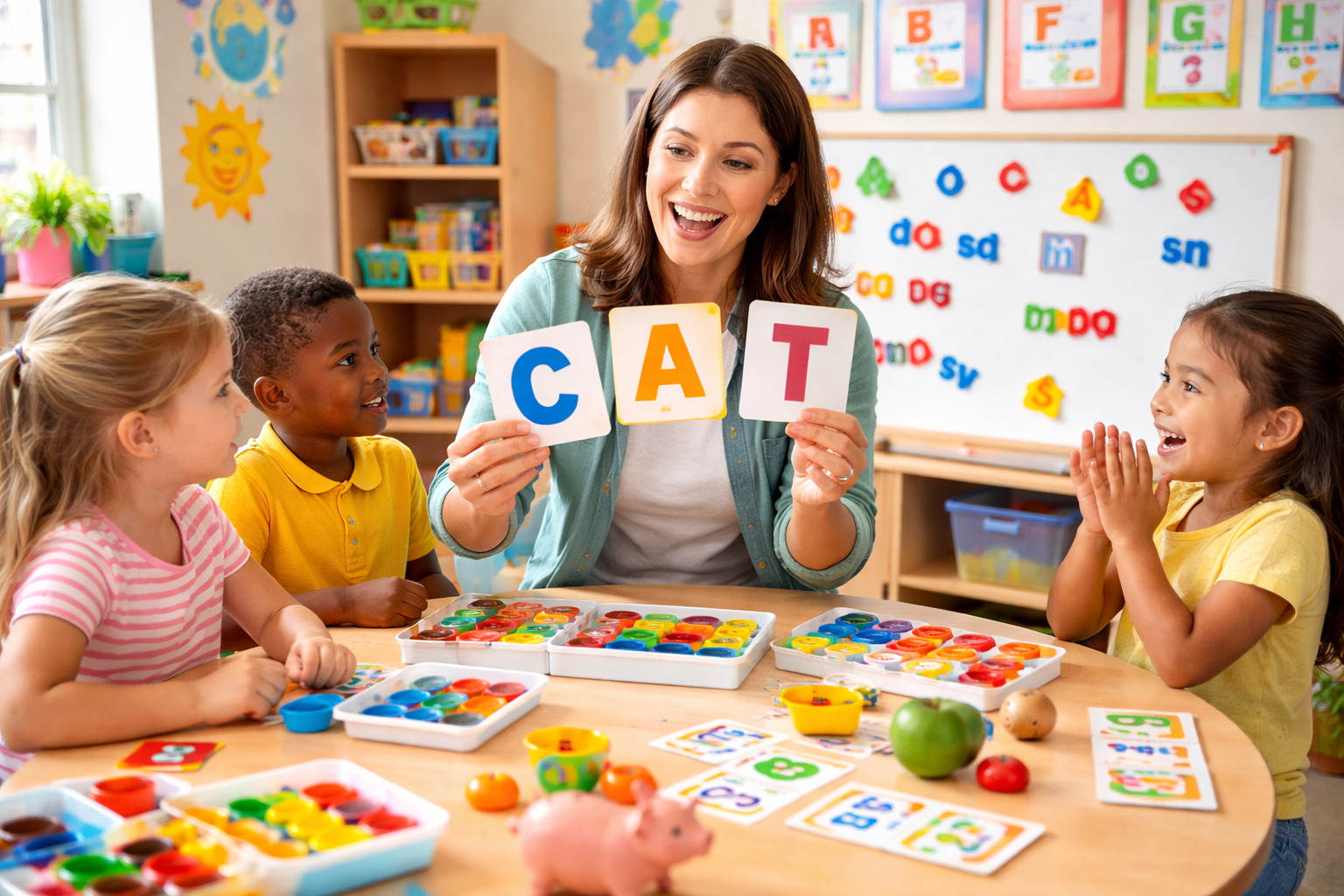
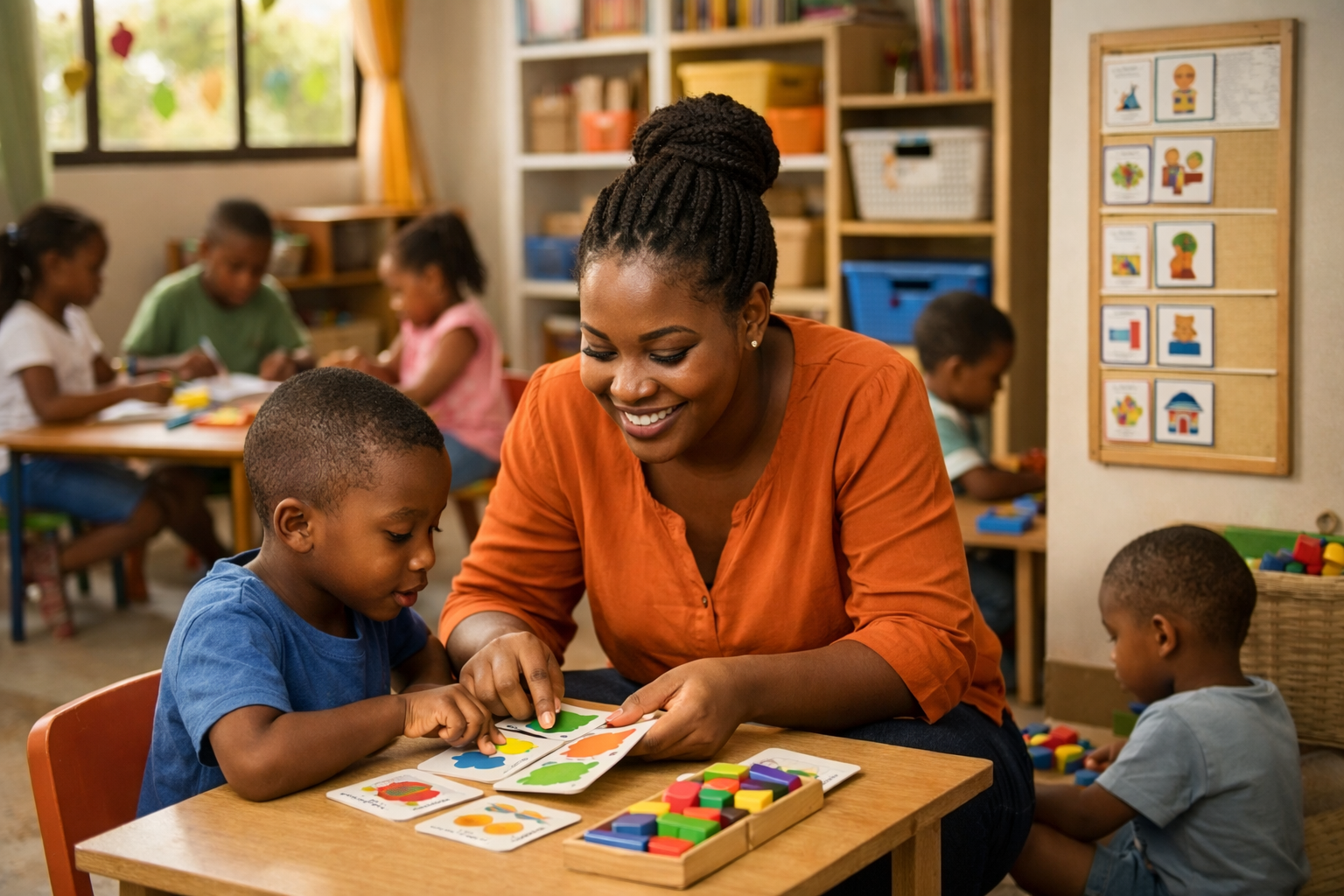
- Early childhood and primary education
- Hands-on or lab-based disciplines
- Learners who need direct supervision and structure
- Programs where networking and collaboration are critical
In these cases, physical presence enhances comprehension, engagement, and skill development.
Blended Learning: A Research-Backed Middle Ground
Many institutions now adopt blended learning, combining online flexibility with in-person instruction. Educational research has shown that well-designed blended programs often match or outperform fully traditional models by offering:
- Flexibility without isolation
- Structure with digital convenience
- Improved engagement and retention
Blended learning reflects how modern education is evolving to meet diverse learner needs.
How to Choose the Right Learning Model
To decide between online and traditional learning, consider:
- Your learning style (independent vs. guided)
- Time availability and schedule flexibility
- Subject requirements (theoretical vs. practical)
- Access to technology or transportation
- Long-term academic or career goals
There is no universally “better” option — only the option that best fits your circumstances.
Conclusion
The debate over online learning vs. traditional classroom education is not about superiority, but suitability. Based on both personal learning experience and educational research, each model has clear strengths and limitations.
Online learning offers flexibility, accessibility, and convenience. Traditional classrooms provide structure, direct interaction, and hands-on practice. As education continues to evolve, learners are best served by understanding these differences and choosing the model that supports meaningful, effective, and sustainable learning outcomes.