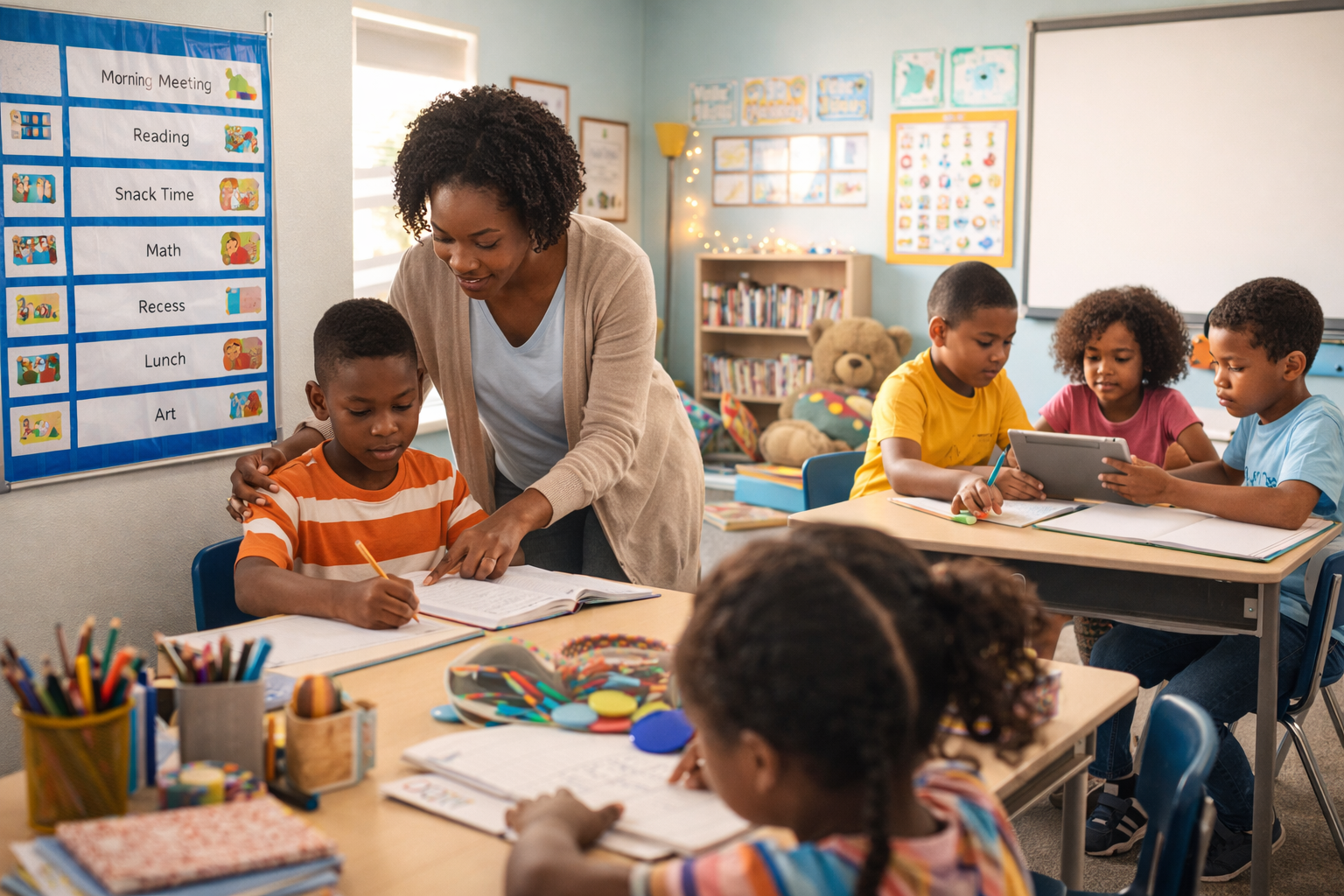
Special education plays a transformative role in helping learners with disabilities reach their full potential. As global conversations shift toward inclusion, equity, and individualized learning, many people ask an important and often misunderstood question: What is the most important goal of special education?
While special education has many objectives — from providing access to tailored instruction to ensuring equal opportunities — the core purpose centers on empowering every learner to achieve independence, meaningful participation, and academic success based on their unique strengths and needs.
This comprehensive guide explores the primary goal of special education, supported by modern educational research, and explains how schools, families, and communities can work together to support students with diverse learning needs.
Understanding Special Education
Special education refers to instruction designed to meet the unique needs of learners with disabilities, including those with cognitive, emotional, physical, developmental, or learning differences. These services may include:
- Individualized Education Programs (IEPs)
- Specialized teaching strategies
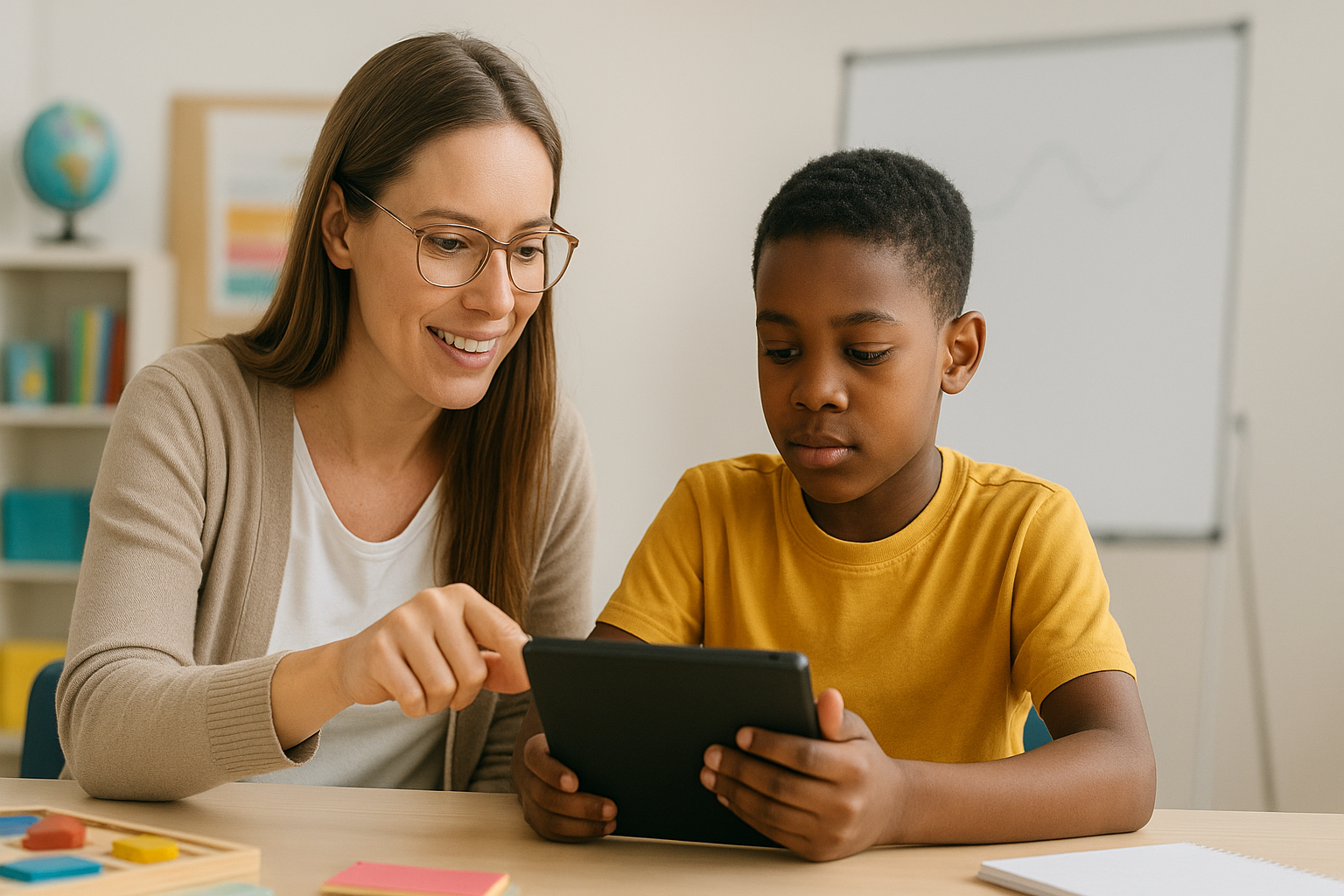
- Assistive technology
- Therapeutic services (speech, occupational, behavioral)
- Modified or adapted curriculum
- Inclusion support in general classrooms
In the U.S., the Individuals with Disabilities Education Act (IDEA) ensures that students with disabilities receive a Free Appropriate Public Education (FAPE), while many other countries have similar laws promoting inclusion, accessibility, and support.
But what is the important goal of special education at its core?
The Most Important Goal of Special Education: Promoting Independence and Meaningful Participation
Across research, policy guidelines, and expert opinion, the most important goal of special education can be summarized as:
To equip learners with disabilities with the skills, supports, and opportunities needed to live as independently as possible and successfully participate in school, society, and future adult life.
This goal goes beyond academic progress. It focuses on holistic development — social, emotional, behavioral, vocational, and functional skills — enabling students to thrive in ways that align with their abilities, interests, and aspirations.
Let’s explore the pillars that support this ultimate goal.
1. Ensuring Equal Access to Education
Before independence can be cultivated, every learner must first have access to environments where they can grow. Special education ensures that students with disabilities:
- Are not excluded from school
- Receive accommodations that remove barriers
- Learn in the least restrictive environment (LRE) possible
- Have access to appropriate materials, teachers, and technology
Modern frameworks like Universal Design for Learning (UDL) encourage schools to provide flexible, accessible learning pathways for all students. Research shows that when accessibility is prioritized, students with disabilities make stronger academic gains and experience higher engagement.
2. Developing Functional Life Skills
For many students, especially those with developmental disabilities or intellectual differences, functional skills are essential for independence. These include:
- Self-care and hygiene
- Communication
- Daily living skills
- Social and emotional regulation
- Problem-solving
- Safety awareness
The goal is not merely learning to pass tests, but learning to navigate life confidently.
Schools that incorporate functional skills training into their special education programs see significantly better long-term outcomes for students transitioning into adulthood.
3. Improving Academic Achievement Through Individualized Support
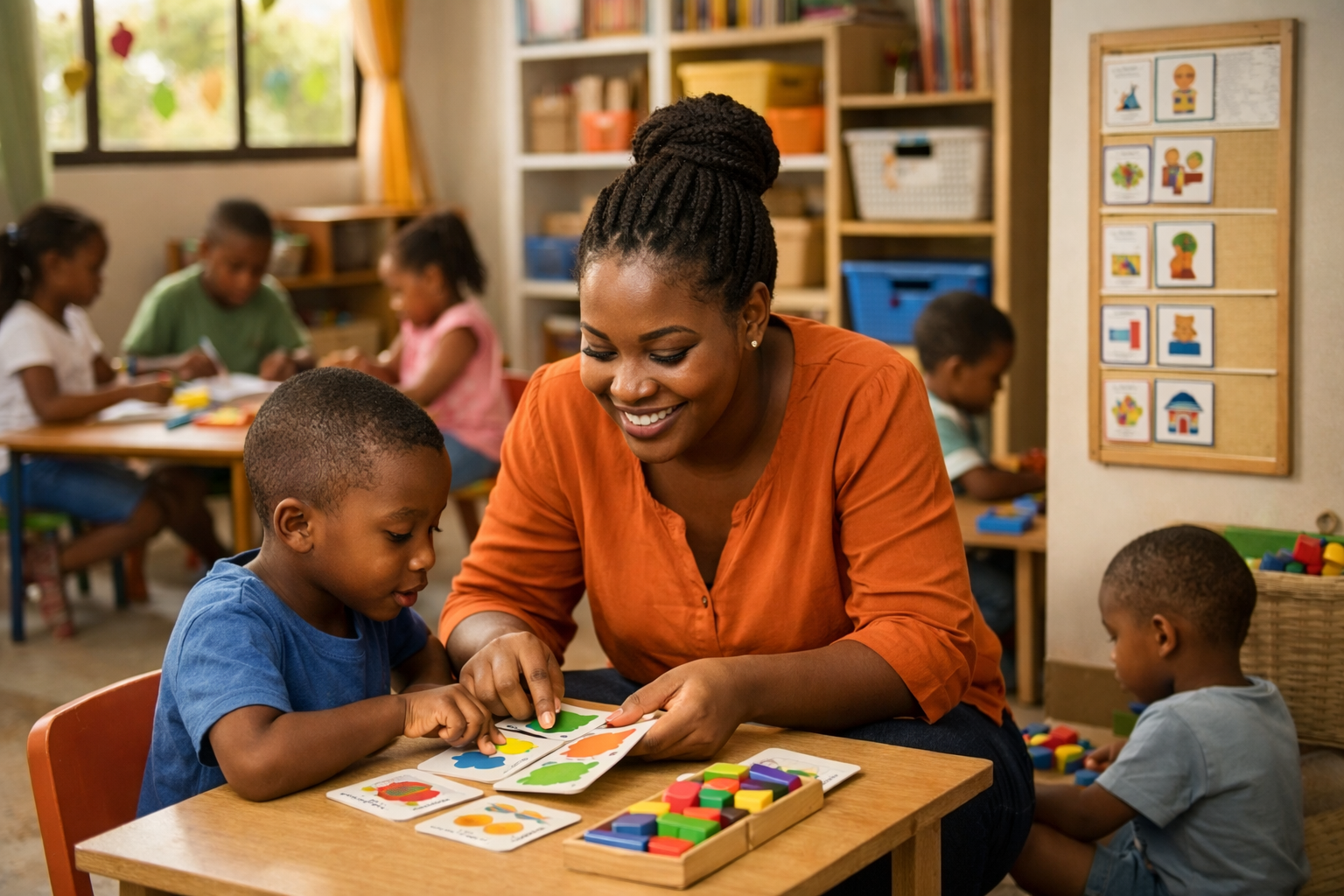
Academic skills remain a key part of special education, but the approach must be tailored. This is where the Individualized Education Program (IEP) becomes central. An IEP identifies:
- A student’s strengths
- Their challenges
- Custom academic goals
- Needed accommodations or modifications
- Strategies and services
Personalized instruction ensures that students can learn at their own pace, using methods suited to their learning styles. Studies show that individualized approaches greatly improve reading, math, and communication outcomes for students with disabilities.
4. Enhancing Social and Emotional Development
The social dimension of special education is often overlooked, yet it’s essential to independence and overall well-being.
Students with disabilities may struggle with:
- Social cues
- Making friends
- Emotional management
- Confidence
- Self-advocacy
Special education programs include strategies like:
- Social skills training
- Group activities
- Counseling support
- Peer-to-peer mentorship
- Emotional regulation tools
These help students feel included, valued, and equipped to build healthy relationships — an important milestone for successful adulthood.
5. Preparing Students for Employment and Productive Adult Life
The ultimate measure of special education success is how well students transition into the real world. For older learners, the focus shifts toward:
- Career exploration
- Workplace readiness training
- Job coaching
- Vocational programs
- Internships
- Community-based instruction
A 2023 study from several international disability research organizations revealed that students who receive employment transition support during school are significantly more likely to secure paid employment after graduation.
This reinforces the idea that one of the most important goals of special education is to help learners work, contribute, and live as independently as possible.
Supporting Research on the Goals of Special Education
Several global research findings align with the idea that the important goal of special education is to empower independence, participation, and functional success.
Here are some highlights:
Modern inclusive education studies
Large-scale studies in Europe, North America, and Asia found that students with disabilities learn more effectively when they receive personalized support and inclusive opportunities — both critical components of special education.
Transition-to-adulthood research
Research shows that students with well-developed life skills, self-advocacy abilities, and vocational training are more likely to achieve independence and employment.
Neuroscience and learning variability
Recent brain research confirms that diverse brains learn differently — reinforcing the core idea of individualized education.
Global education goals (UNESCO, 2024)
UNESCO emphasizes inclusive education as a key driver of social equity, reinforcing the importance of providing specialized support that helps each student reach their fullest potential.
These findings consistently point to the same conclusion: special education is a pathway to empowerment, independence, and lifelong success.
Other Essential Goals That Support the Primary Mission
Although independence and meaningful participation form the core goal, special education encompasses several interrelated objectives:
1. Creating Inclusive Learning Communities
Special education promotes acceptance, diversity, and inclusion in schools, reducing stigma and bias.
2. Providing Emotional and Psychological Support
Students often need counseling, therapy, and positive behavior support to thrive academically and socially.
3. Encouraging Family and Community Collaboration
When families collaborate with teachers and specialists, student outcomes significantly improve.
4. Strengthening Self-Advocacy Skills
Students learn to express their needs, make choices, and participate in decisions affecting their learning.
5. Promoting Equity and Human Rights
Special education ensures all students — regardless of disability — receive the dignity, attention, and opportunity they deserve.
Conclusion: Special Education Is About Empowering Every Learner
So, what is the most important goal of special education?
The answer is clear:
To help learners with disabilities achieve the highest possible level of independence, meaningful participation, and academic success — through individualized, supportive, and inclusive education.
This goal goes beyond classrooms. It is about preparing students for a future where they can:
- Make decisions
- Contribute to society
- Pursue careers
- Build relationships
- Live fulfilling, self-directed lives
Special education is not just a system of teaching — it is a lifelong empowerment pathway, giving every learner the chance to succeed on their own terms.