





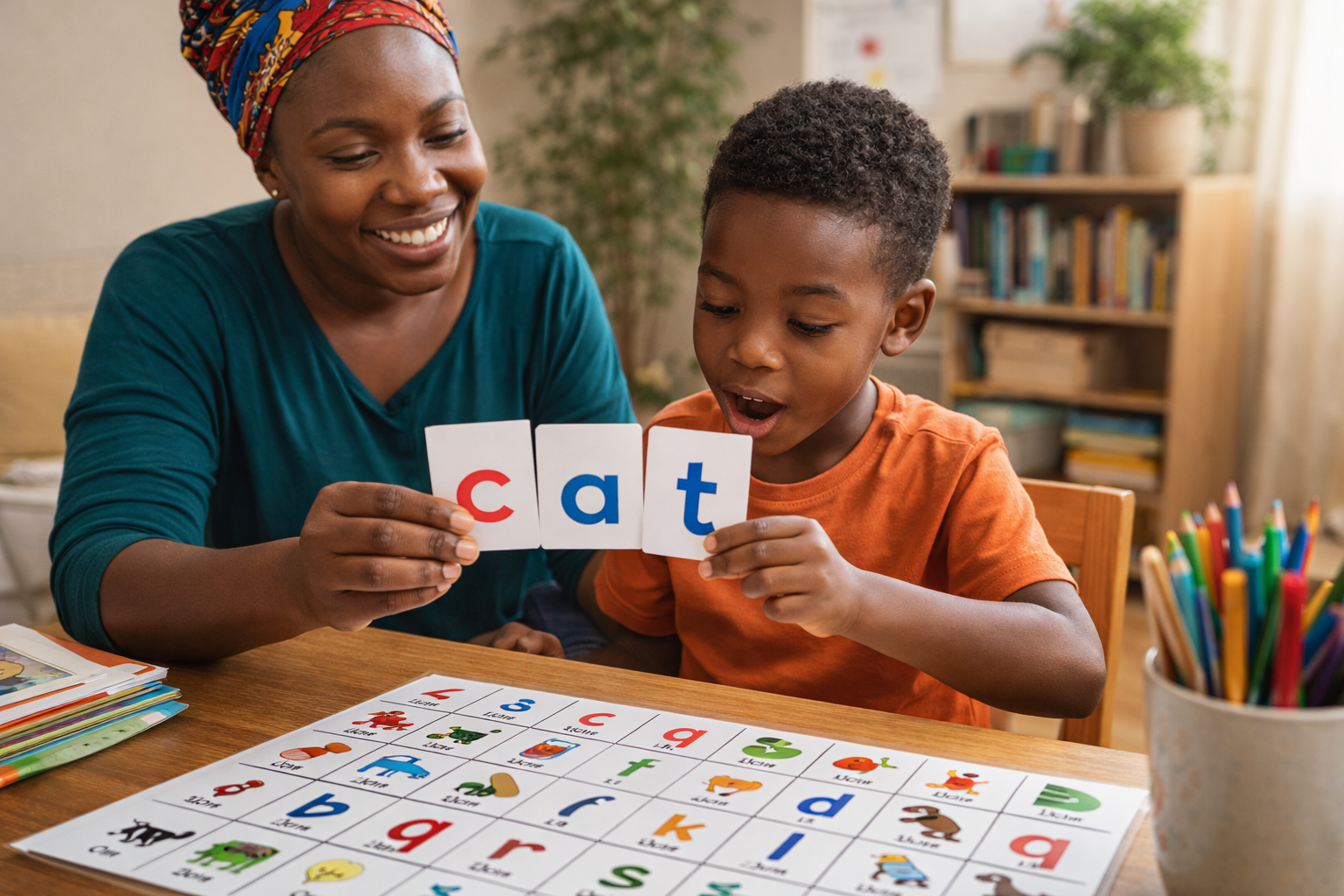




Reading is a foundational skill that shapes a child’s academic progress, confidence, and lifelong learning habits. Yet for many children, learning to read does not come easily. They may struggle with recognizing words, understanding what they read, or maintaining interest in books. When these challenges are not addressed early and thoughtfully, they can affect performance across all subjects.
The good news is that reading difficulties are common and manageable. With patience, the right strategies, and consistent support from adults, children can make meaningful progress. This article explores practical, research-informed ways parents, caregivers, and educators can help a child who is struggling with reading, while building confidence and a positive attitude toward learning.
Understanding Why Reading Can Be Challenging
Before offering support, it is important to understand that reading difficulties can stem from different causes. These may include:
- Limited exposure to books and language
- Differences in learning pace or style
- Challenges with phonics or sound recognition
- Attention or memory difficulties
- Learning differences such as dyslexia
Recognizing that every child learns differently helps adults respond with empathy rather than pressure. The goal is not to label the child, but to identify what kind of support will work best.
Create a Safe and Encouraging Reading Environment
Children who struggle with reading often feel embarrassed or anxious. A supportive environment can reduce this stress and make learning more effective.
Focus on Effort, Not Perfection
Praise the child for trying, even when mistakes occur. Emphasizing effort helps them feel safe to practice without fear of failure.
Avoid Comparisons
Comparing a child’s reading ability to siblings or classmates can harm motivation. Progress should be measured against the child’s own growth over time.
Make Reading a Daily, Enjoyable Habit
Consistency matters more than long study sessions. Short, regular reading times can significantly improve skills.
- Set aside 10–20 minutes each day for reading
- Choose a quiet, comfortable space
- Allow the child to help pick the reading time
When reading becomes part of a daily routine, it feels normal rather than like a punishment or extra task.
Choose Books That Match the Child’s Level and Interests
Reading material plays a major role in engagement and success.
Right-Level Books
Books should not be too difficult or too easy. A good guide is that the child can read most words but still feels slightly challenged.
Interest-Based Choices
Children are more motivated to read when the topic excites them. This could include:
- Animals, sports, or space
- Comics and graphic novels
- Short stories or fact books
Enjoyment builds confidence, and confidence encourages practice.
Read Together and Model Good Reading Habits
Shared reading is a powerful tool, especially for children who lack confidence.
Read Aloud Regularly
When adults read aloud, children are exposed to:
- Proper pronunciation
- Natural rhythm and expression
- New vocabulary and ideas
Take Turns Reading
Alternate paragraphs or pages. This keeps the child involved without overwhelming them.
Think Out Loud
Occasionally explain what you are thinking as you read, such as predicting what might happen next or clarifying a confusing part. This teaches comprehension strategies naturally.
Strengthen Phonics and Word Recognition Skills
Many reading difficulties are linked to challenges with phonics—the relationship between letters and sounds.
Helpful activities include:
- Sounding out words slowly together
- Playing word games that focus on rhymes and letter sounds
- Using flashcards for commonly used words
These activities should feel playful, not like drills. Learning through games often leads to better retention.
Support Reading Comprehension
Reading is not just about saying words correctly; understanding meaning is equally important.
Ask Simple Questions
After reading, ask questions such as:
- What happened in the story?
- Who was your favorite character and why?
- What do you think might happen next?
Connect Reading to Real Life
Relating stories to the child’s own experiences helps deepen understanding and makes reading more meaningful.
Use Multi-Sensory Learning Techniques
Some children learn better when more than one sense is involved.
Examples include:
- Tracing letters in sand or with fingers
- Using magnetic letters to form words
- Listening to audiobooks while following along in print
Multi-sensory approaches can improve memory and make learning more engaging.
Be Patient and Allow Progress at the Child’s Pace
Improvement in reading is often gradual. There may be periods of rapid progress followed by slower phases.
What helps most is:
- Remaining calm during mistakes
- Giving the child time to decode words
- Avoiding rushing or finishing sentences for them
Patience reinforces the message that learning is a process, not a race.
Work Closely With Teachers and Specialists
If a child continues to struggle despite consistent support, collaboration with educators is essential.
Communicate Regularly
Teachers can provide insights into:
- Specific areas of difficulty
- Classroom strategies that are working
- Additional resources for home support
Seek Professional Assessment When Needed
In some cases, a formal evaluation by a reading specialist or educational psychologist can identify specific learning needs and guide targeted interventions.
Use Technology Thoughtfully
Digital tools can complement traditional reading methods when used appropriately.
Beneficial options include:
- Reading apps that adjust to skill level
- Audiobooks paired with text
- Educational games that reinforce phonics
Technology should support learning, not replace human interaction or reading practice with real books.
Build Confidence Beyond Reading
A child’s self-esteem affects how they approach challenges, including reading.
Encourage strengths in other areas such as:
- Art, music, or sports
- Problem-solving activities
- Helping with everyday tasks
When children feel capable in other areas, they are more willing to persevere in areas they find difficult.
Conclusion: Progress Comes From Support, Not Pressure
Helping a child who struggles with reading requires understanding, consistency, and encouragement. There is no single solution that works for every child, but small, thoughtful actions can make a lasting difference. By creating a supportive environment, choosing appropriate materials, practicing regularly, and working together with educators, adults can help children build essential reading skills and confidence.
Most importantly, children should feel that reading is something they can improve at, not something to fear. With the right support, every child has the potential to become a more confident and capable reader over time.