








Education is often associated with lesson plans, exams, and academic performance. But for many students, the most powerful lessons they remember are not written on a whiteboard or printed in a textbook. They come from the compassion, patience, and encouragement of teachers who truly care.
Ask most adults about a teacher who changed their life, and they rarely mention a specific lecture or assignment. Instead, they remember the teacher who listened, offered encouragement during a difficult time, or believed in their potential when they doubted themselves.
Research in education consistently shows that emotional support from teachers improves student engagement, motivation, and academic performance. Organizations like American Psychological Association and CASEL highlight that supportive classroom relationships are essential for healthy learning environments.
In many ways, teaching is not just about delivering knowledge—it is about guiding, encouraging, and supporting young people as they grow.
Below are meaningful ways educators demonstrate compassion and care that extend far beyond the classroom curriculum.
Understanding the Role of Empathy in Education
Empathy in teaching means understanding students’ feelings, experiences, and challenges while responding in a supportive and respectful way.
In the field of Educational Psychology, empathy is considered a key factor in building strong teacher-student relationships. Studies show that when students feel respected and emotionally supported, they are more likely to:
- Participate in discussions
- Ask questions without fear
- Seek help when they struggle
- Stay motivated in difficult subjects
Psychologist Carol Dweck, known for her work on the growth mindset, explains that supportive feedback and encouragement can significantly influence how students approach challenges and mistakes.
When empathy becomes part of classroom culture, learning becomes more effective and meaningful.
1. Recognizing When a Student Is Struggling
Many student challenges are invisible. Personal stress, family issues, or emotional difficulties can affect focus, behavior, and academic performance.
Experienced teachers often notice subtle changes—such as a normally active student becoming quiet or a strong performer suddenly falling behind.
For example, a teacher might notice that a student who regularly participates in discussions suddenly stops contributing. Instead of assuming laziness or disinterest, a compassionate teacher may check in privately after class and ask if everything is okay.
This simple act of concern can make a student feel seen and supported.
Practical ways teachers show compassion in these moments include:
- Asking students privately if they need support
- Offering extra help or tutoring
- Connecting students with school counselors when necessary
According to the National Education Association, early emotional support from teachers can prevent small academic struggles from becoming long-term problems.
2. Offering Encouragement When Confidence Is Low
Self-doubt is common among students, especially when they face challenging subjects.
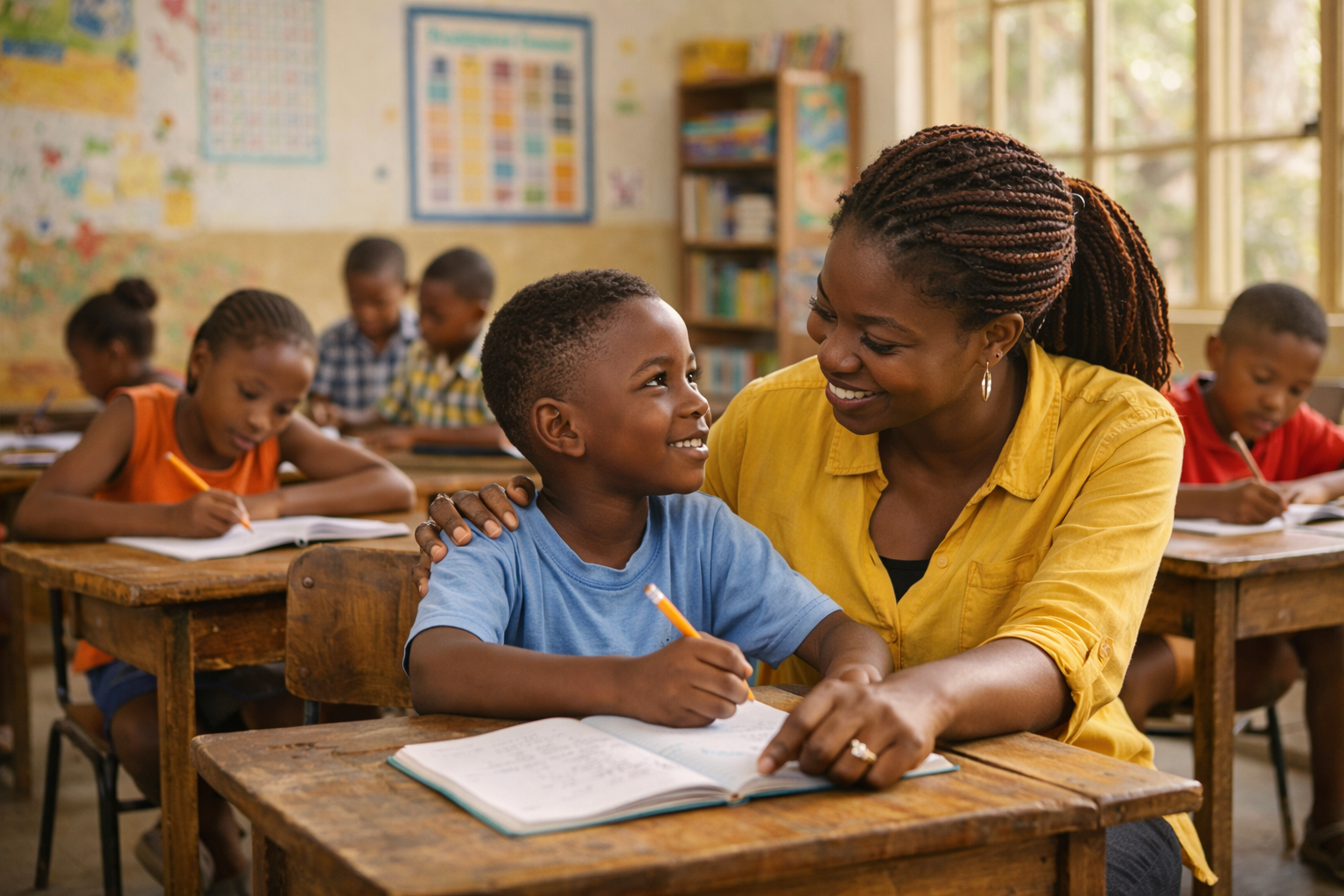
Supportive teachers understand that encouragement can change how students view their own abilities.
Instead of focusing only on grades, compassionate educators emphasize progress and effort.
For example, when a student improves from 40% to 55% on a math test, a teacher might highlight the improvement and explain what the student did right. This reinforces the idea that progress matters.
Research supported by American Psychological Association shows that positive feedback and encouragement help students develop resilience and confidence in their learning abilities.
Simple encouragement strategies include:
- Recognizing improvement, not just high scores
- Offering constructive feedback instead of criticism
- Celebrating small academic milestones
When students believe their teacher sees their potential, they are more willing to keep trying.
3. Creating a Safe Space for Expression
Students learn best in environments where they feel emotionally safe.
A compassionate classroom encourages open dialogue, respectful discussion, and mutual understanding.
Teachers who create safe learning spaces often:
- Encourage students to share ideas without fear of ridicule
- Promote respectful disagreement during discussions
- Establish classroom rules that emphasize kindness and respect
According to UNICEF, emotionally supportive classrooms improve both student well-being and academic engagement.
When students feel safe expressing themselves, they are more likely to develop communication skills, confidence, and curiosity.
4. Supporting Students During Difficult Life Moments
Students do not leave their personal lives at the classroom door. Family challenges, health concerns, and emotional struggles can affect their ability to concentrate or perform well in school.
Compassionate teachers recognize these realities and respond with flexibility and understanding.
This might include:
- Allowing additional time for assignments during difficult periods
- Providing extra academic guidance
- Encouraging students to talk with school counselors
A supportive teacher can become a stabilizing influence during uncertain times.
These moments often leave lasting impressions on students long after they graduate.
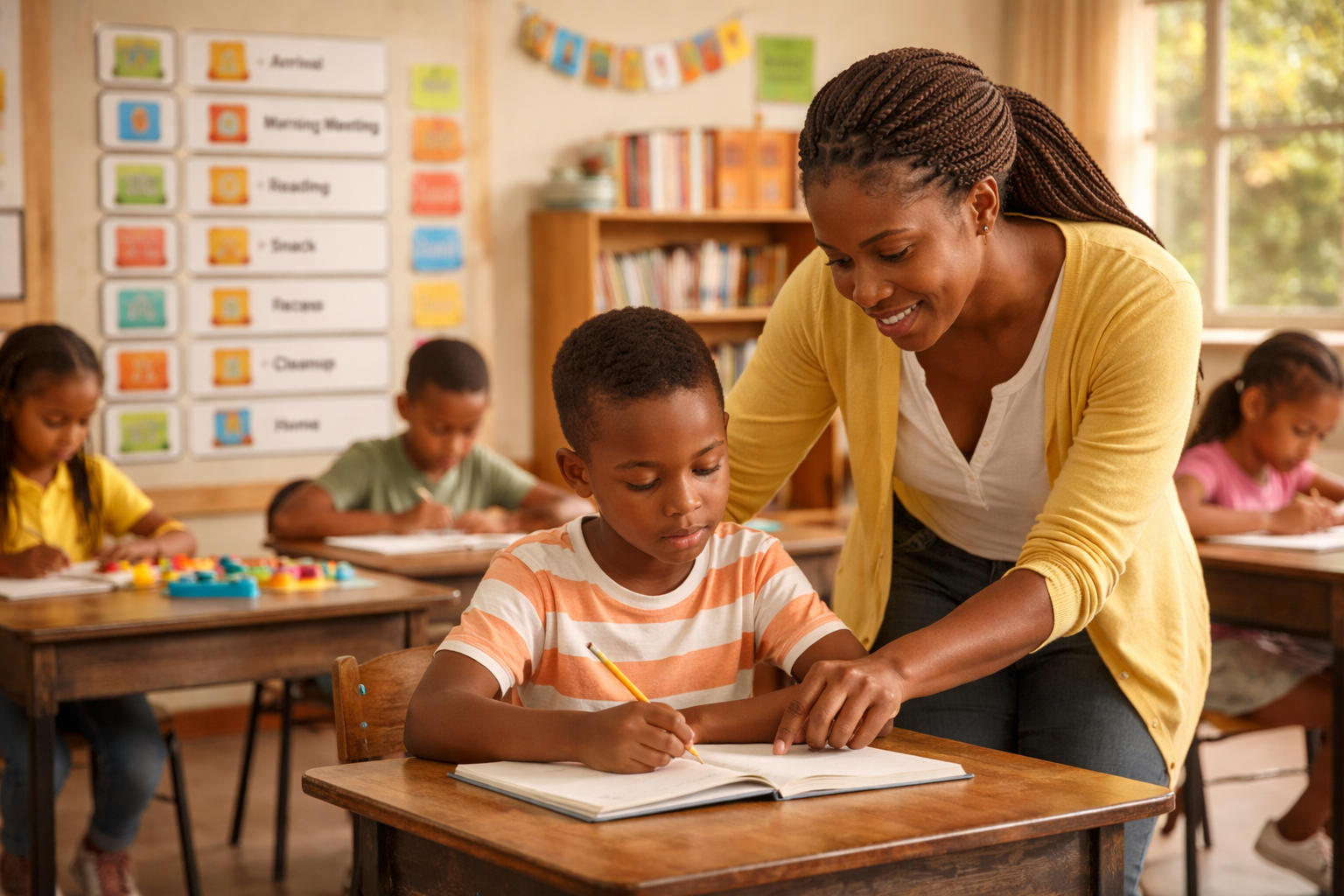
5. Going the Extra Mile to Help a Student Understand
Some students require additional explanation or practice before they fully grasp a concept.
Instead of moving quickly through lessons, compassionate educators take time to help struggling learners.
This may involve:
- Staying after class to explain difficult topics
- Offering alternative examples or teaching methods
- Providing additional practice materials
These efforts communicate an important message: every student’s success matters.
Education research published through organizations like the American Educational Research Association emphasizes that individualized support significantly improves student outcomes.
6. Listening Without Judgment
Sometimes students simply need someone willing to listen.
Whether they are discussing academic frustrations or personal concerns, being heard can make a significant difference.
Teachers who practice active listening typically:
- Give students their full attention
- Avoid interrupting or dismissing concerns
- Respond thoughtfully and respectfully
This approach strengthens trust and encourages students to communicate openly when they need help.
7. Encouraging Kindness Among Students
Compassion in teaching does not stop with the teacher—it spreads throughout the classroom community.
Educators who model empathy help students develop those same values.
Examples include:
- Group activities that promote teamwork
- Class discussions about respect and inclusion
- Recognizing acts of kindness among students
Programs supported by CASEL show that social-emotional learning initiatives can improve academic performance and classroom relationships.
Teaching empathy helps students build skills that benefit them far beyond school.
8. Celebrating Individual Strengths
Every student has unique talents and abilities.
Compassionate teachers look beyond standardized tests and recognize diverse strengths such as creativity, leadership, problem-solving, or communication skills.
For example, a quiet student who rarely speaks in class may show exceptional creativity in writing assignments or art projects.
When teachers acknowledge these abilities, students feel valued and motivated to develop their strengths.
Recognizing individual talents helps build confidence and encourages lifelong learning.
9. Helping Students Learn From Mistakes
Mistakes are an essential part of learning, yet many students fear failure.
Supportive teachers help students see mistakes as opportunities for improvement rather than reasons for embarrassment.
This mindset aligns with the growth mindset research of Carol Dweck, which emphasizes that intelligence and skills can improve through effort and persistence.
Teachers can reinforce this idea by:
- Reviewing mistakes constructively
- Encouraging reflection after tests or assignments
- Emphasizing learning progress instead of perfection
When students adopt this mindset, they become more resilient and willing to tackle challenges.
10. Being a Positive Role Model
Students observe their teachers closely, often learning as much from behavior as from formal instruction.
Teachers who demonstrate patience, fairness, and respect naturally influence the attitudes and behaviors of their students.
By modeling professionalism and empathy, educators help students develop important life skills such as:
- Respect for others
- Responsibility
- Emotional intelligence
These lessons can shape students long after they leave the classroom.
11. Staying Connected Beyond the Classroom
For many educators, teaching does not end when the final bell rings.
Teachers often continue supporting students through mentorship, guidance, and encouragement.
This may include:
- Advising students on college or career choices
- Supporting extracurricular activities
- Writing recommendation letters
- Offering mentorship during important transitions
These ongoing relationships can have a profound influence on students’ futures.
Why Compassion Matters in Teaching
Compassion is not simply a personality trait—it is a powerful teaching tool.
Research summarized by CASEL shows that students participating in supportive learning environments demonstrate stronger academic performance and improved emotional well-being.
When teachers show empathy and understanding, they help:
- Build trust between students and educators
- Increase classroom participation
- Improve learning outcomes
- Strengthen emotional resilience
Compassion transforms classrooms into communities where students feel motivated to learn and grow.
The Lasting Impact of Caring Teachers
Years after leaving school, many people still remember the teacher who believed in them, encouraged them during difficult moments, or helped them discover their potential.
These memories highlight an important truth: teaching is not only about sharing knowledge—it is about shaping lives.
A single moment of kindness from a teacher can inspire confidence, spark curiosity, or change the direction of a student’s future.
Conclusion
Teachers play a powerful role in shaping both the academic and personal development of their students. Through empathy, patience, and encouragement, educators create classrooms where students feel respected, supported, and motivated to succeed.
Whether it is recognizing when a student is struggling, offering words of encouragement, or simply listening without judgment, small acts of compassion can leave a lasting impact.
In the end, the most meaningful lessons students learn are often not written in textbooks—they are experienced through the care and dedication of the teachers who guide them.