






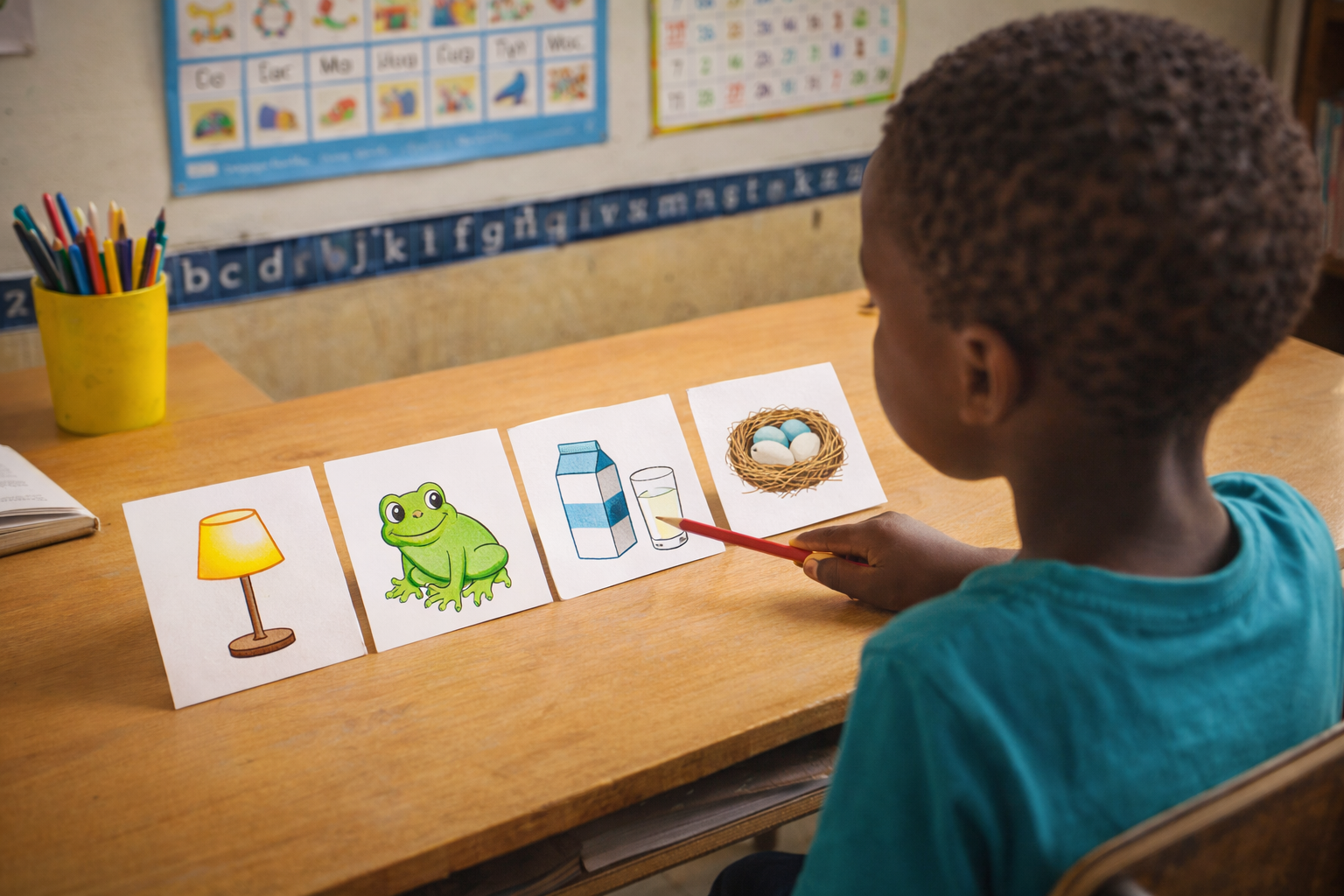



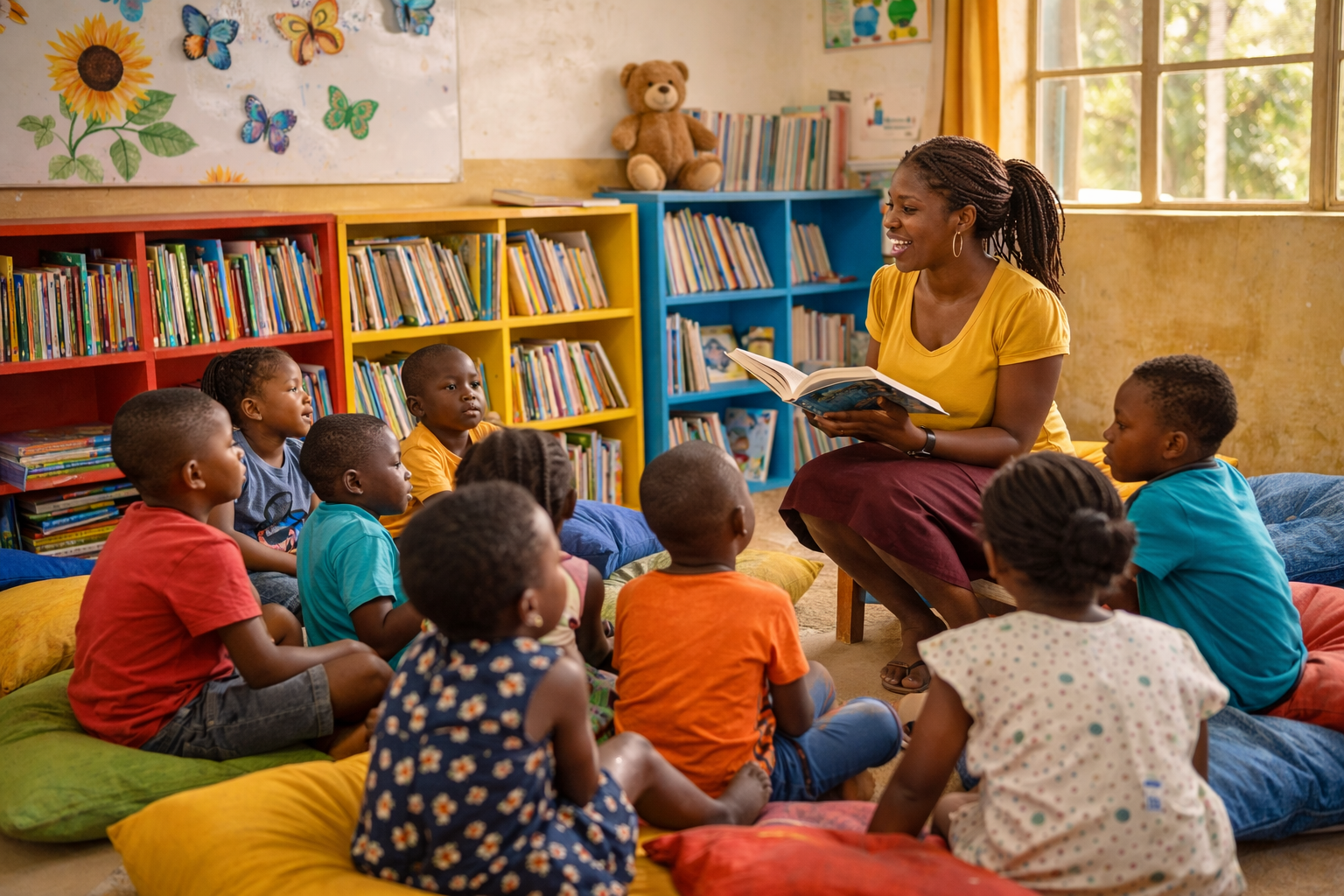
Reading is one of the most powerful tools children develop during their school years. It strengthens language skills, improves concentration, expands imagination, and supports learning across every subject. However, many teachers and parents are noticing a concerning trend: fewer children are reading for pleasure.
Research from the National Literacy Trust has repeatedly shown that voluntary reading among children has declined in recent years. At the same time, digital entertainment—from games to streaming platforms—competes strongly for children’s attention.
Despite these challenges, schools still have enormous influence over how children perceive books. When schools create environments where reading feels enjoyable, social, and meaningful, students are far more likely to develop lifelong reading habits.
Drawing on literacy research and classroom practices used in successful schools, this article explores practical strategies educators can use to reignite children’s excitement about reading.
Why Many Children Lose Interest in Reading
Before schools can rebuild enthusiasm for books, it is important to understand why many students disengage from reading in the first place.
Overemphasis on Testing
In many education systems, reading is closely tied to assessments and comprehension exercises. While evaluation is necessary, students sometimes begin to associate books primarily with exams rather than enjoyment.
Educational researchers at the International Literacy Association have emphasized that excessive testing can reduce students’ intrinsic motivation to read. When reading feels like a task to complete rather than a discovery to enjoy, interest often declines.
Limited Book Choices
Children are more likely to read when they encounter stories that match their interests and personalities. If classrooms offer only a narrow selection of texts, students may struggle to connect with what they read.
Some children love adventure stories, others prefer humor, science topics, or graphic novels. Restricting options unintentionally reduces engagement.
Competition from Digital Entertainment
Today’s children are surrounded by digital media. Video games, streaming services, and social platforms offer fast-paced stimulation that can make traditional reading appear less exciting.
According to studies summarized by UNESCO, increasing screen time among young people has reduced the time many students spend reading outside school.
Lack of Positive Reading Experiences
Students who rarely experience reading as relaxing or enjoyable may never develop a strong reading identity. Without positive experiences early on, books can feel like obligations rather than opportunities.
This is why the school environment plays such a critical role.
Create a Reading-Friendly School Environment
One of the most effective ways to encourage reading is by building a culture where books are visible, accessible, and celebrated.
In classrooms where reading thrives, books are not hidden away in cabinets—they are part of the daily environment.
Comfortable Reading Spaces
Small changes in classroom design can significantly influence reading behavior.
Successful classrooms often include reading areas with:
- Comfortable seating or cushions
- Good lighting
- Quiet corners for focused reading
- Easy access to a variety of books
Teachers frequently observe that students voluntarily spend more time reading when these spaces feel inviting rather than formal.
Display Books Prominently
Book displays can spark curiosity. When students see colorful covers and new titles regularly, they are more likely to pick up a book out of interest.
Rotating displays every few weeks keeps the environment fresh and encourages exploration.
Celebrate Reading Across the School
Schools that actively celebrate reading often see stronger participation.
Examples include:
- student book review boards
- reading challenges
- school-wide reading weeks
- author visits
These activities signal that reading is valued beyond the classroom.
Allow Students to Choose What They Read
Choice is one of the strongest motivators in reading engagement.
Literacy specialists widely agree that students read more when they can select books that genuinely interest them.
Provide Diverse Reading Options
School libraries and classrooms should offer a wide range of genres, including:
- adventure and fantasy stories
- mystery and detective books
- graphic novels and comics
- science and nature topics
- biographies and historical stories
- humor and illustrated books
Diversity ensures that every student has the chance to find a book that resonates with them.
Respect Different Reading Levels
Not every student reads at the same pace or level.
Allowing students to choose books that match their current ability builds confidence and encourages steady progress. Struggling readers, in particular, benefit from materials that feel manageable rather than overwhelming.
Make Reading Interactive and Social
Although reading is often viewed as a solitary activity, it becomes far more engaging when students share ideas with others.
Organize Book Discussions
Teachers can guide short discussions where students talk about:
- favorite characters
- surprising plot twists
- lessons learned from the story
These conversations deepen comprehension and make reading feel more meaningful.
Create Classroom Book Clubs
Book clubs are especially effective for older students.
A typical classroom book club might involve:
- Groups of 4–6 students choosing a book together
- Reading assigned chapters each week
- Meeting briefly to discuss their thoughts
This format encourages accountability while keeping reading enjoyable.
Encourage Peer Recommendations
Students often trust book suggestions from classmates more than recommendations from adults.
Simple systems—like a classroom “recommended by students” shelf—can increase book circulation and excitement.
Use Storytelling and Read-Aloud Sessions
Even older students benefit from hearing stories read aloud.
Reading aloud allows teachers to model expressive reading, pacing, and interpretation of dialogue. It also exposes students to vocabulary and storytelling techniques they may not encounter independently.
Research summarized by the Organisation for Economic Co-operation and Development shows that storytelling and shared reading experiences can significantly strengthen comprehension and engagement.
Benefits of Read-Aloud Activities
Regular read-aloud sessions help students:
- develop listening and comprehension skills
- encounter richer vocabulary
- understand narrative structure
- build emotional connections with stories
Perhaps most importantly, shared storytelling creates memorable classroom experiences that many students associate with enjoyment.
Integrate Reading Into Other Subjects
Reading should not exist only in language arts classes. When reading becomes part of multiple subjects, students begin to see it as a natural tool for learning.
Use Stories in Science and History
Teachers can introduce:
- biographies of scientists
- historical narratives
- science-themed adventure stories
These materials help students see how reading connects with real-world discovery.
Encourage Research Projects
Research assignments that involve books and articles encourage students to read with purpose.
When students investigate topics they care about, reading becomes a gateway to knowledge rather than a task.
Combine Reading With Creative Activities
Creative responses help stories come alive.
After finishing a book, students might:
- draw scenes from the story
- write alternative endings
- perform short dramatic scenes
- design new book covers
These activities deepen understanding and strengthen emotional engagement with reading.
Strengthen the School Library
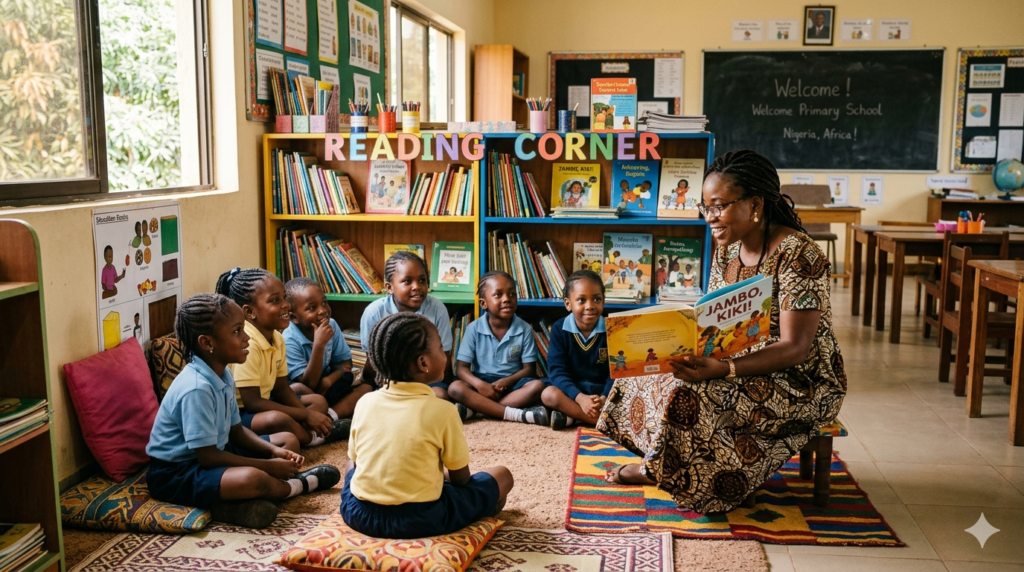
A well-resourced school library remains one of the most powerful tools for developing reading culture.
Update Book Collections Regularly
Students are naturally curious about new titles. Regularly updating library collections ensures that books reflect modern interests and current topics.
Include Books Reflecting Diverse Cultures
Students feel more connected to stories when they see characters with experiences similar to their own.
Diverse literature also expands empathy and cultural understanding.
Provide Easy Access
Libraries should be easy to use.
Simple borrowing systems, flexible access hours, and classroom visits can significantly increase book circulation.
Involve Parents in Encouraging Reading
Schools achieve far greater success when reading habits continue at home.
Parents do not need specialized training to support their children’s reading development.
Communicate With Parents
Teachers can share simple guidance such as:
- setting aside daily reading time
- discussing books together
- visiting libraries or book fairs
These small habits reinforce the importance of reading.
Encourage Family Reading Events
Schools can organize events like:
- family reading nights
- storytelling evenings
- book fairs
These activities help children associate reading with positive shared experiences.
Recognize and Celebrate Reading Progress
Positive reinforcement motivates students to continue reading.
Celebrate Achievements
Schools can acknowledge milestones such as:
- finishing a number of books
- writing thoughtful book reflections
- participating actively in discussions
Recognition does not need to involve prizes. Encouragement and acknowledgment often provide strong motivation.
Focus on Progress, Not Competition
Reading programs work best when they emphasize personal growth rather than competition. Every child progresses at a different pace, and celebrating improvement helps build confidence.
Encourage Teachers to Model Reading
Children learn not only from instruction but also from observation.
When teachers demonstrate genuine enthusiasm for books, students often become curious.
Teachers can:
- share books they personally enjoy
- talk about what they are currently reading
- read quietly alongside students during reading periods
Seeing adults value reading reinforces the idea that books are worthwhile and enjoyable.
Conclusion
Reviving children’s excitement about reading requires thoughtful collaboration between schools, teachers, and families.
By creating welcoming reading spaces, offering diverse book choices, encouraging discussion, and integrating reading into everyday learning, schools can transform how students experience books.
When reading becomes associated with curiosity, discovery, and enjoyment rather than pressure, students begin to develop habits that last a lifetime.
Books then become more than classroom tools—they become gateways to imagination, knowledge, and opportunity.