



Education across Africa is at a pivotal moment. Rapid population growth, technological change, climate pressures, and shifting job markets are redefining what young people need to learn and how they need to learn it. While access to schooling has improved in many countries over the past two decades, access alone is no longer enough. The real challenge now is ensuring that education equips learners with the skills, knowledge, and adaptability required to thrive in the 21st century.
Creating a future-ready education system in Africa requires more than minor reforms. It calls for a holistic transformation that places learners at the center, embraces innovation, strengthens teachers, and aligns education with social and economic realities.
Why Education Reform Matters More Than Ever
Africa is home to the world’s youngest population. Millions of children and adolescents will enter the labor market in the coming years, shaping the continent’s economic and social future. However, many education systems were designed decades ago, primarily to prepare students for rote learning and limited career paths.
Today’s world demands different outcomes. Learners must be able to think critically, solve problems, use technology responsibly, and adapt to constant change. Without meaningful reform, the gap between what schools teach and what society needs will continue to widen, limiting opportunities for individuals and slowing national development.
Moving Beyond Access to Quality Learning
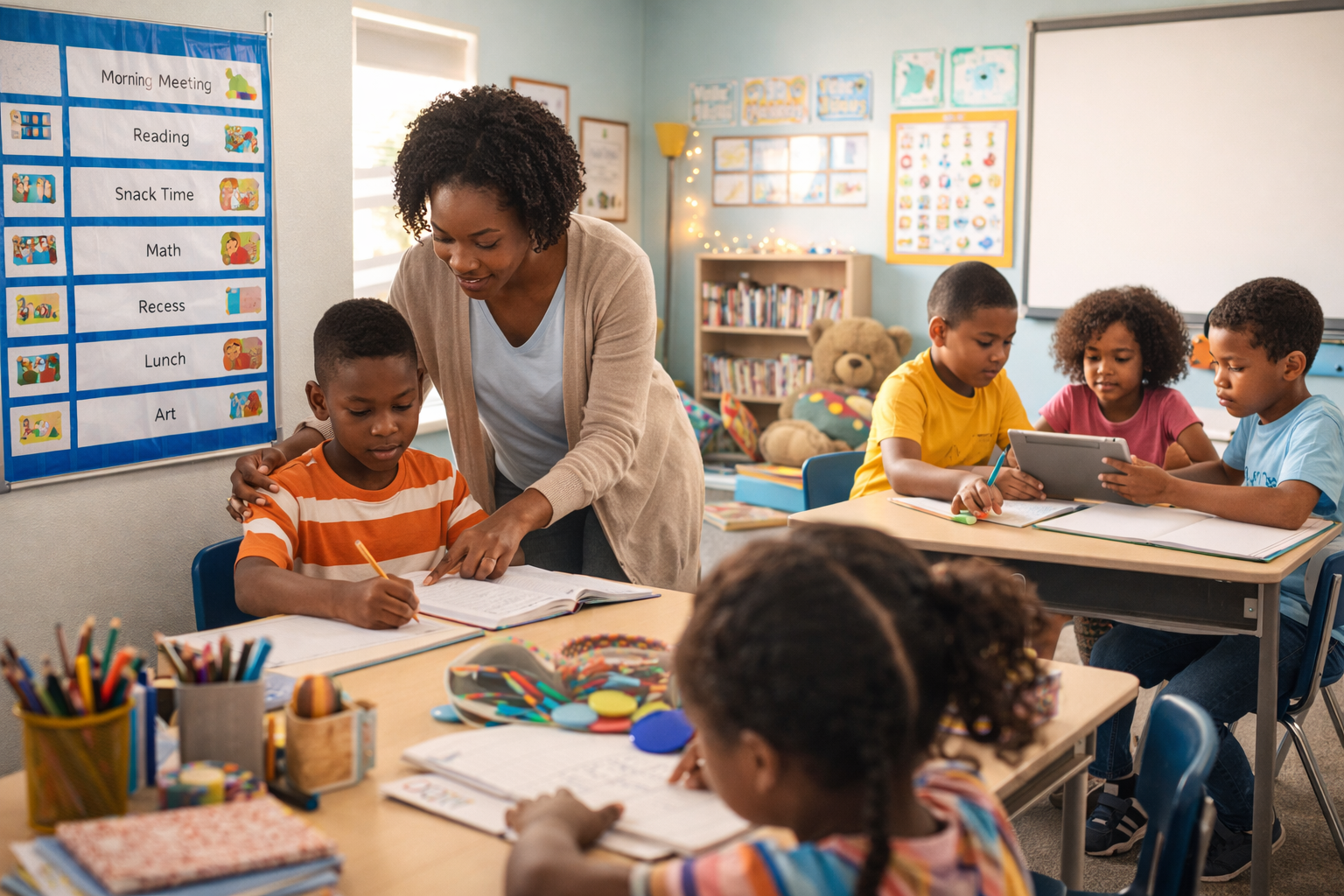
Expanding enrollment has been a major achievement across Africa, but quality remains uneven. In many classrooms, overcrowding, limited learning materials, and outdated teaching methods hinder meaningful learning.
Improving quality involves several interconnected actions:
- Modernizing curricula to reflect current realities
- Focusing on foundational skills, such as literacy and numeracy
- Ensuring inclusive learning environments for girls, children with disabilities, and marginalized communities
When students leave school without mastering basic skills, years of schooling fail to translate into real-world benefits. Quality learning outcomes must therefore be the central goal.
Rethinking What Students Learn
A future-oriented education system balances academic knowledge with practical and transferable skills. While subjects like mathematics, science, and language remain essential, they must be taught in ways that encourage understanding rather than memorization.
Key learning areas that deserve greater emphasis include:
- Critical thinking and problem-solving
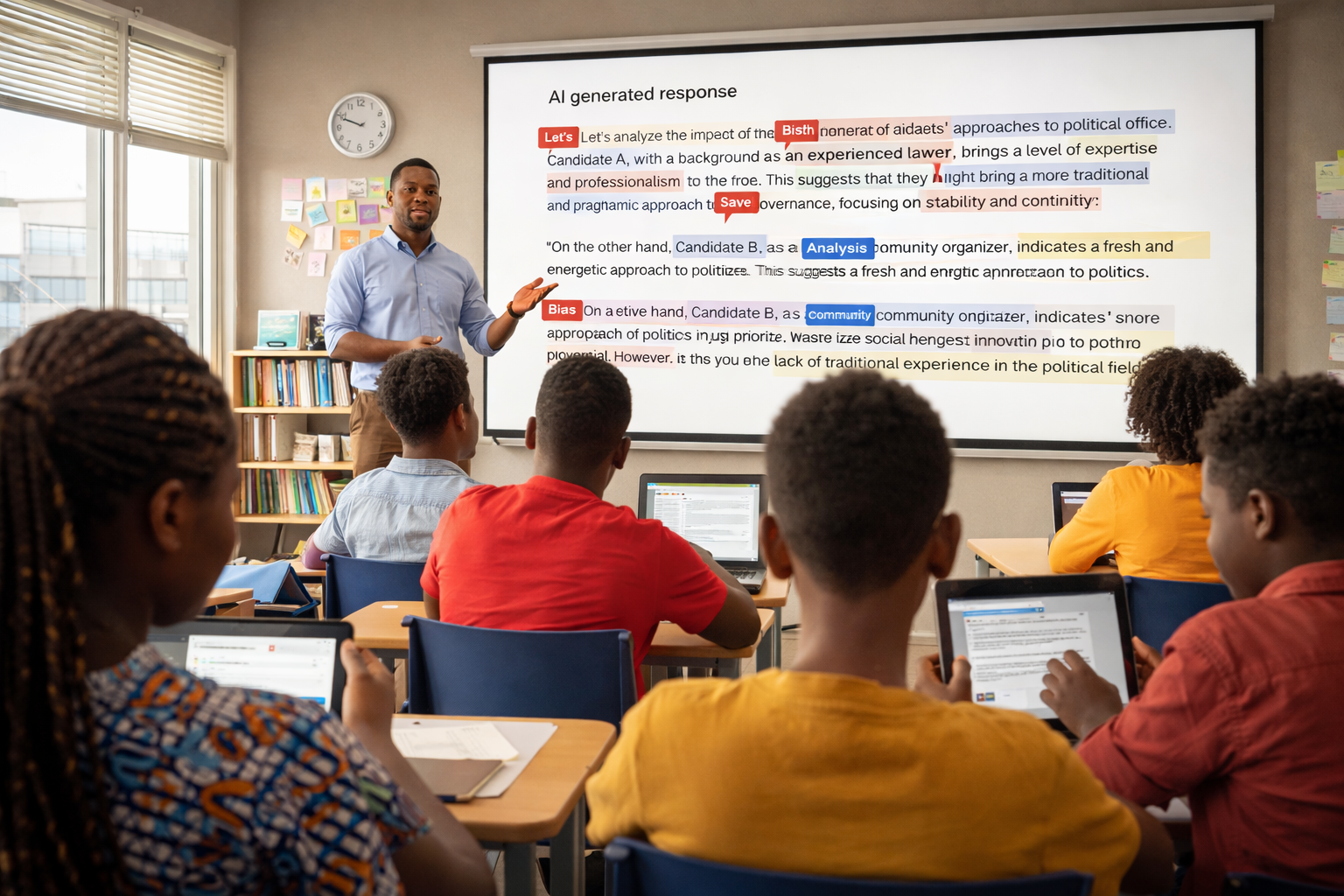
- Digital literacy and responsible technology use
- Creativity and innovation
- Civic education and ethical reasoning
By connecting classroom learning to real-life situations, students are better prepared to navigate complex challenges, whether in higher education, entrepreneurship, or employment.
Preparing Learners for a Changing Job Market
The nature of work is evolving rapidly. Automation, artificial intelligence, and the growth of the digital economy are transforming industries worldwide, including in Africa. Education systems must therefore anticipate future labor market needs rather than react to them too late.
This means:
- Strengthening technical and vocational education
- Promoting entrepreneurial thinking
- Encouraging lifelong learning habits
When young people graduate with adaptable skills, they are more resilient in the face of economic uncertainty and better positioned to create opportunities for themselves and others.
Empowering Teachers as Change Agents
Teachers are the backbone of any successful education system. No reform can succeed without well-trained, motivated, and supported educators. Yet many teachers across the continent face challenges such as limited professional development, large class sizes, and insufficient resources.
Supporting teachers involves:
- Continuous training aligned with modern teaching methods
- Access to up-to-date learning materials and technology
- Fair compensation and professional recognition
When teachers are empowered, they are more confident in adopting learner-centered approaches that foster curiosity and independent thinking.
Harnessing Technology to Expand Learning
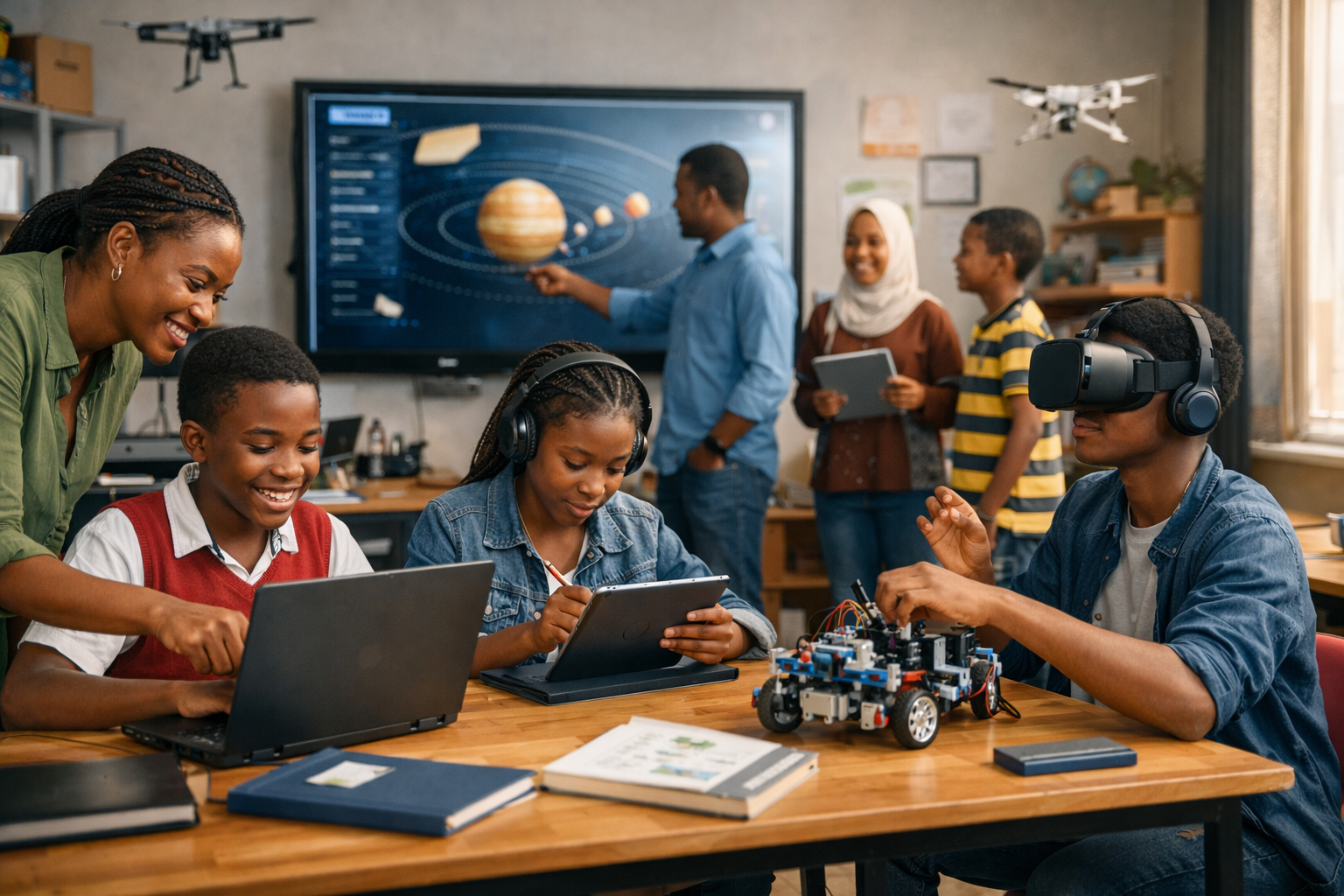
Digital tools offer powerful opportunities to improve education when used thoughtfully. Technology can help bridge gaps in access, enhance teacher training, and personalize learning experiences. However, it is not a standalone solution.
Effective use of technology requires:
- Reliable infrastructure, including electricity and internet access
- Training for teachers and school leaders
- Integration into curricula rather than add-on programs
Blended learning models, educational radio, mobile platforms, and offline digital resources can all play a role, especially in underserved areas. The goal is to use technology to enhance learning, not replace human interaction.
Ensuring Equity and Inclusion
A future-ready education system must work for every learner, not just a privileged few. Persistent inequalities based on gender, location, income, and disability continue to limit educational outcomes across Africa.
Addressing these gaps means:
- Removing financial and social barriers to schooling
- Designing inclusive curricula and assessments
- Creating safe and supportive learning environments
When all learners are given a fair chance to succeed, education becomes a powerful tool for social cohesion and long-term development.
Strengthening Education Governance and Partnerships
Systemic change requires strong leadership and effective coordination. Governments play a central role in setting policies, financing education, and ensuring accountability. At the same time, collaboration with communities, civil society, and the private sector is essential.
Successful education reform often depends on:
- Clear national education strategies
- Transparent use of resources
- Data-driven decision-making
Partnerships help bring diverse expertise and innovation into the system, ensuring that reforms are practical, sustainable, and responsive to local needs.
Adapting to Global and Local Challenges
Education systems must also be resilient in the face of disruptions such as health crises, conflict, and climate-related emergencies. Recent global events have shown how easily learning can be interrupted and how important adaptability is.
Building resilience involves:
- Developing flexible learning models
- Training educators to manage disruptions
- Investing in emergency preparedness for schools
When systems are designed to adapt, learning can continue even under difficult circumstances.
The Path Forward for Africa’s Education Future
Transforming education in Africa is not a short-term project. It requires sustained commitment, long-term investment, and a willingness to rethink traditional approaches. While challenges remain, there is also immense potential driven by youthful energy, innovation, and growing recognition of education’s central role in development.
By prioritizing quality, relevance, equity, and adaptability, African countries can build education systems that do more than transmit knowledge. They can nurture confident, skilled, and engaged citizens ready to shape the continent’s future.
Conclusion
Making education fit for the 21st century in Africa is both an urgent necessity and a powerful opportunity. As the continent navigates rapid change, education must evolve to equip learners with the tools to succeed in an interconnected and unpredictable world. With thoughtful reform, strong leadership, and inclusive policies, education can become a driving force for sustainable growth, social progress, and shared prosperity across Africa.