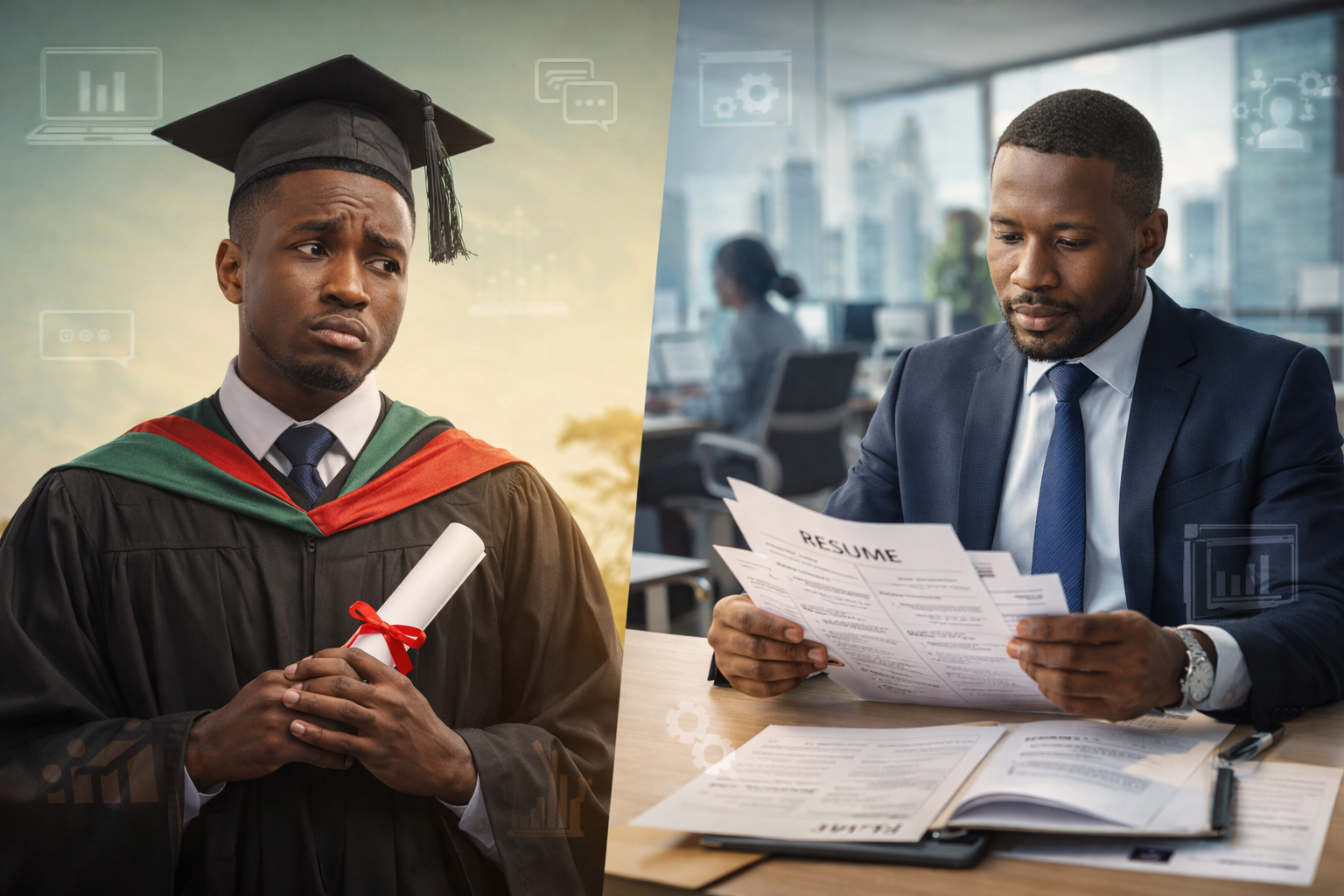



In today’s rapidly changing world, simply passing exams is no longer enough to ensure lifelong success. Students graduate into a future shaped by technological disruption, shifting job markets, and complex life challenges that textbooks and tests alone cannot prepare them for. While academic achievement remains important, there is a growing consensus among educators, employers, and researchers that schools must evolve to nurture practical life skills — such as communication, resilience, critical thinking, and adaptability — that young people will actually use as adults. This shift in educational focus is not just desirable; it’s essential for building confident, capable, and well-rounded citizens.
The Limitations of Exam-Focused Learning
Narrow Academic Priorities
Traditional education systems have long prioritized exam performance as the primary measure of success. Students are encouraged to memorize information and regurgitate it under timed conditions — a format that mirrors little of what they will encounter outside the classroom. This heavy emphasis on exams often sidelines opportunities to explore interdisciplinary thinking, solve real-world problems, or engage with hands-on projects. Such restrictions may leave learners unprepared for situations where there is no single right answer or fixed “solution” to memorize.
Stress and Well-Being Concerns
Standardised exams and relentless preparation can negatively impact students’ mental health. Research has documented how exam pressure contributes to anxiety, fatigue, and emotional stress among young learners — symptoms that demonstrate just how ill-equipped many are to manage prolonged high-pressure environments. Shifting the focus from tests to broader learning experiences can help reduce stress and encourage healthier mindsets toward education. (Wikipedia)
Skills That Matter in the Real World
Critical Thinking and Problem Solving
In the 21st century, the ability to think critically, evaluate information, and solve unfamiliar problems is more valuable than ever. These capabilities help graduates navigate complex work environments, make informed decisions, and innovate. Employers consistently report that they struggle to find young adults with strong problem-solving and analytical skills — even when academic qualifications are present.
Communication and Teamwork
Effective communication and collaboration are cornerstone skills in most professional settings. Whether crafting an email, delivering a presentation, negotiating with a colleague, or working in a team, these interpersonal abilities are essential. Many young people entering the workforce feel unprepared for these expectations, indicating a significant gap between classroom learning and real-world requirements.
Emotional Resilience and Adaptability
Life rarely unfolds according to a script. Unexpected challenges, career pivots, and personal setbacks are inevitable. Education that fosters resilience — the capacity to cope with stress and bounce back from failure — equips young people to handle change with confidence rather than fear. Adaptive learners are more likely to explore lifelong learning, remain agile in shifting job markets, and approach new situations with curiosity.
Financial & Practical Life Skills
Everyday competencies, such as budgeting, managing time, understanding contracts, or navigating healthcare systems, are crucial for adult life. These are rarely addressed in traditional curriculums, yet they determine much of a person’s ability to function independently and responsibly. Integrating practical life lessons prepares students to make informed choices early, avoid preventable pitfalls, and participate fully in society.
Why Schools Should Embrace Broader Learning Goals
Preparing Students for Work and Life
Education shouldn’t just funnel students into exams; it should empower them to contribute meaningfully in their communities and workplaces. Research indicates that a substantial proportion of recent graduates feel underprepared when entering their first job, particularly in soft skills like communication, leadership, and collaboration. By emphasizing life skills alongside academics, schools can bridge this gap and help students transition more smoothly into adult roles.
Encouraging Lifelong Learners
When education focuses solely on assessment outcomes, it can create a culture of rote learning: students memorise just to pass. In contrast, a life-centred approach encourages curiosity, reflective thinking, and self-directed learning — all qualities that fuel personal growth long after formal schooling ends. This mindset prepares learners not just to absorb information, but to apply, adapt, and transform knowledge throughout their lives.
Reducing Inequities
Not all students thrive in high-stakes exam environments. Some learners excel when given opportunities to demonstrate understanding through projects, portfolios, group work, and real-world problem solving. Diversifying how learners demonstrate competence can promote inclusivity, recognising different strengths and preventing talented individuals from being sidelined simply because they struggle with memorisation or test anxiety.
Practical Ways to Enrich Education Beyond Exams
1. Integrate Project-Based Learning
Project-based learning (PBL) places students at the centre of exploration. Instead of answering predefined questions, learners investigate meaningful problems, engage in research, collaborate with peers, and present solutions. This model builds both subject knowledge and essential life skills, such as planning, communication, and critical thinking.
2. Build Emotional and Social Learning (SEL) into the Curriculum
Social and emotional learning teaches skills like empathy, self-regulation, conflict resolution, and teamwork. Embedding SEL into everyday lessons helps students better understand themselves and others — a foundation for healthy relationships and effective participation in communities.
3. Offer Real-World Learning Opportunities
Work experience, community service, internships, and mentorships connect classroom learning with real-world contexts. These experiences give learners practical insights into careers, help build professional networks, and make academic concepts tangible and relevant.
4. Teach Personal Finance and Practical Life Skills
Simple, structured lessons on budgeting, taxes, banking, civic responsibilities, and health literacy can demystify adult responsibilities. Such topics, when taught early, empower students to make informed choices and build confidence as they move into independent living.
5. Encourage Critical Thinking Across Subjects
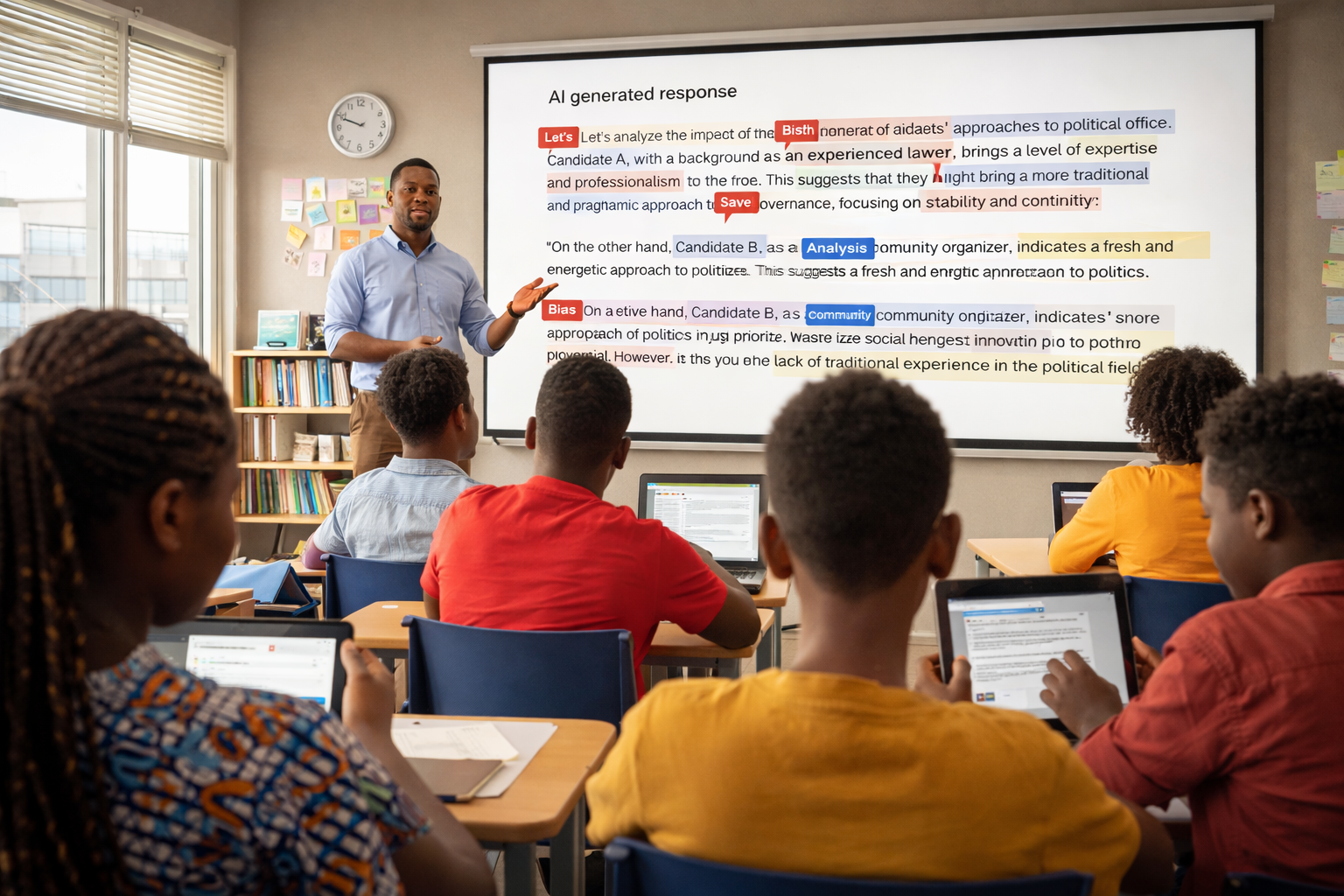
Teachers can foster critical thinking by encouraging learners to question assumptions, evaluate evidence, and consider multiple perspectives — practices that extend beyond the classroom into everyday decision-making. These activities help learners not only to understand content but to think about how and why it matters.
Conclusion: Reimagining Education for a Better Future
The goal of education should extend far beyond helping young people score well on exams. A truly effective education equips students with the tools to navigate a complex world, fosters resilience in the face of challenges, and builds the practical skills required for success in work, relationships, and society. While academic knowledge remains important, it must be balanced with life skills that prepare learners for the realities of adulthood. By broadening the focus of our schools and redefining what we value in education, we can cultivate a generation of capable, confident, and adaptable individuals ready to thrive in an ever-changing world.