

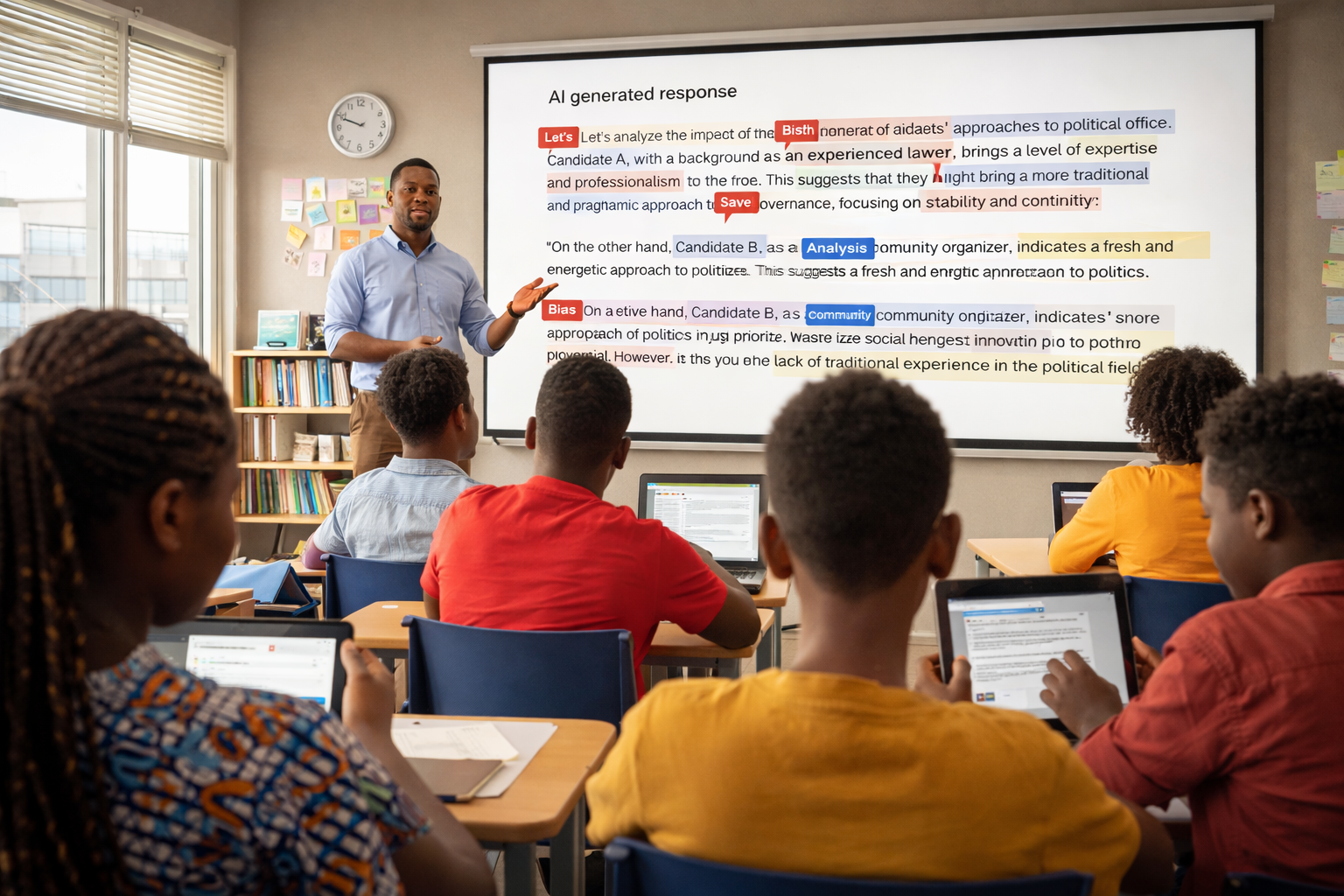







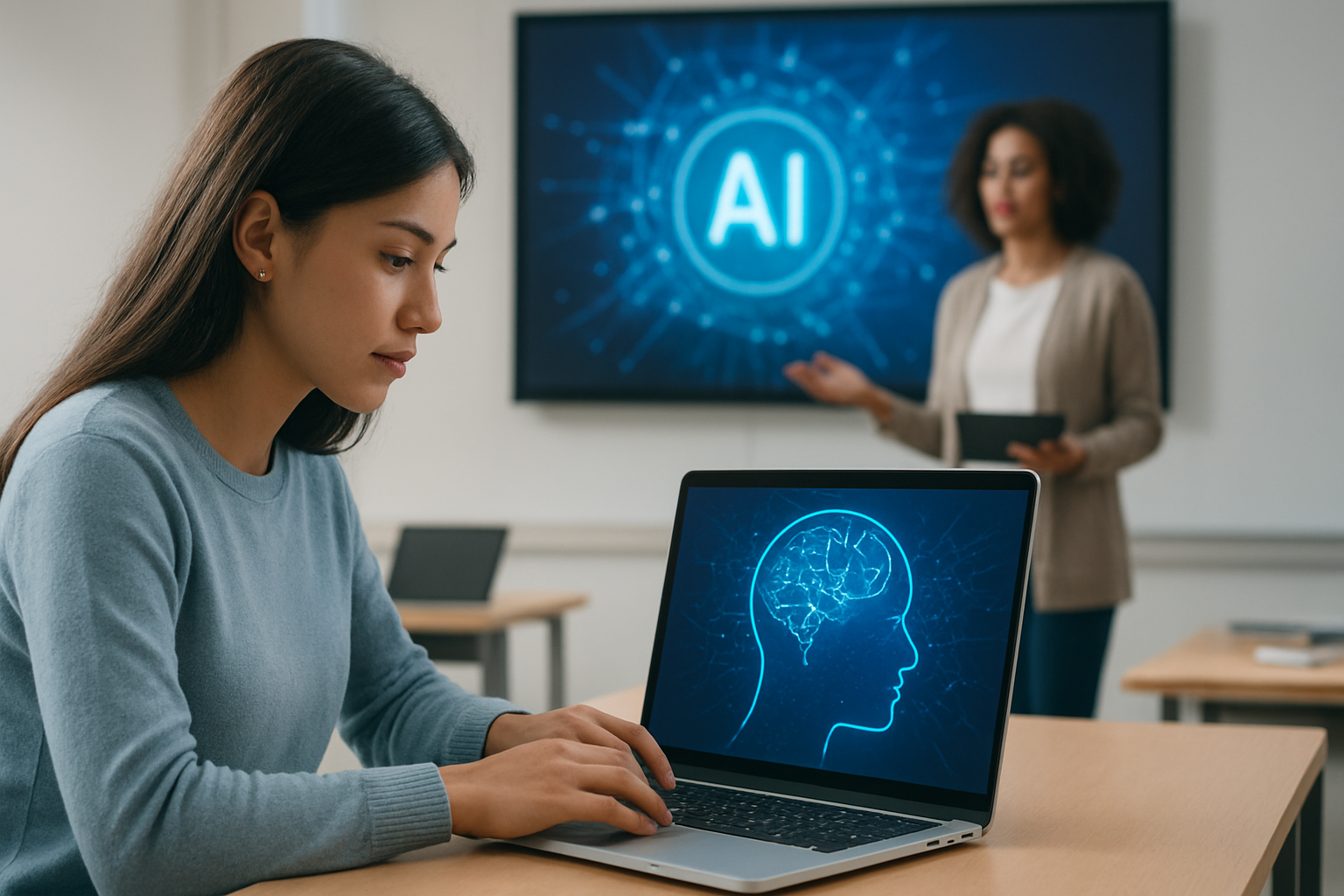
In the past decade, education has shifted from traditional classrooms and chalkboards to a landscape where digital tools and intelligent systems play a central role in how students learn, collaborate, and prepare for future careers. This transformation, driven by widespread internet access and rapid advances in artificial intelligence (AI), is reshaping educational experiences at every level — from primary schools to universities and professional training programs.
As educators and institutions adapt to these changes, understanding the real impact of digital learning and AI — including opportunities, challenges, and ethical considerations — is essential for creating learning environments that are equitable, engaging, and effective.
What Digital Learning and AI Mean Today
Digital learning encompasses the use of online platforms, educational apps, multimedia lessons, virtual classrooms, and interactive tools that enhance or supplement face-to-face instruction. These technologies enable students to access learning resources anytime and from virtually anywhere.
Artificial Intelligence (AI) refers to systems that can interpret data, recognize patterns, and make decisions with minimal human intervention. In education, AI is being used to tailor instruction to individual learners, automate administrative tasks, provide real-time insights, and support students outside of traditional classroom hours.
Together, digital learning and AI create adaptive, interactive systems that can significantly enhance how knowledge is delivered and absorbed.
The Transformative Power of Digital Tools
Personalized Learning That Meets Students Where They Are
One of the biggest shifts in education is moving away from a “one-size-fits-all” model. AI-driven platforms analyze student performance and learning behavior to offer customized learning paths. This means:
- Students can learn at their own pace
- Content adjusts based on strengths and areas needing improvement
- Assignments are better matched to individual needs
This level of personalization helps students stay engaged and reduces frustration with material that is too easy or too difficult.
Learning Anywhere, Anytime
Digital tools break the boundaries of physical classrooms:
- Learners can study from home, rural areas, or while traveling
- Lessons can be replayed or reviewed on demand
- Virtual classrooms offer flexibility for different schedules
This flexibility supports lifelong learning and accommodates diverse learning needs and lifestyles.
Collaboration and Engagement in the Digital Age
Digital platforms promote collaboration through tools like virtual whiteboards, shared documents, and discussion forums. Students can work together on projects, exchange ideas globally, and build teamwork skills that traditional classrooms struggle to foster.
Interactive elements such as videos, quizzes, and simulations also make learning more engaging than static textbooks, improving retention and understanding.
How AI Is Revolutionizing Teaching and Learning
Intelligent Tutors and Feedback
AI-powered tutoring systems act like virtual assistants, offering:
- Step-by-step explanations
- Practice practice tailored to student errors
- Immediate feedback on performance
These tools can be especially valuable outside classroom hours, giving students supplemental support when teachers aren’t available.
Streamlining Administrative Tasks
Educators spend substantial time on grading, tracking attendance, and planning lessons. AI automates many of these tasks, giving teachers more time to focus on instruction and mentoring. Automated grading systems can handle routine assessments, while analytics dashboards flag students who may need extra attention.
Supporting Inclusive and Accessible Learning
AI-enhanced assistive technologies help learners with different needs:
- Speech-to-text and text-to-speech tools
- Real-time language translation
- Interfaces tailored for visual or motor impairments
These tools enable students with disabilities or language barriers to participate more fully in learning activities.
Real-World Examples of AI in Education
There are several AI applications already transforming the classroom experience:
- Adaptive apps that modify lessons based on performance
- Virtual tutors that explain concepts in plain language
- Speech recognition tools that transcribe instructor lectures
- Platforms that create practice exercises and tests dynamically
These technologies demonstrate how AI not only enhances learning but also empowers teachers to innovate.
Challenges and Ethical Considerations
While the benefits of digital and AI-enabled learning are significant, several important challenges must be addressed:
The Digital Divide
Not every student has equal access to reliable internet or modern devices. This digital divide can deepen existing educational inequalities if solutions aren’t designed with accessibility in mind.
Data Privacy and Security
AI systems rely on large volumes of student data to function effectively. Protecting this data and ensuring it’s used responsibly is crucial. Institutions must comply with legal frameworks and be transparent about how information is stored and utilized.
Teacher Preparation and Support
Teachers need training to integrate digital tools meaningfully into instruction. Without ongoing professional development, educators may struggle to use AI applications effectively, or worse — feel replaced by technology rather than supported by it.
Balancing AI with Human Interaction
AI should support, not replace, human teaching. Critical thinking, emotional intelligence, mentorship, and social interaction are core elements of education that technology alone cannot replicate. Overreliance on AI can risk diminishing these human-centric skills.
Ethical AI and Fairness
AI systems must be designed to avoid biased outcomes. Algorithms trained on non-representative data can unintentionally disadvantage certain student groups, affecting fairness in grading, recommendations, and feedback. (Berita terkini & terpercaya Indonesia)
What the Future Holds
Looking ahead, the role of digital learning and AI will likely expand as technologies evolve. Some trends to watch include:
- Hyper-personalized learning paths that adapt in real time
- AI integrated with virtual and augmented reality for immersive classrooms
- Lifelong learning ecosystems that support career transitions
- More advanced analytics for curriculum design and evaluations
The technologies of tomorrow promise to make education more responsive, inclusive, and aligned with real-world needs.
Final Thoughts
Digital learning and AI are no longer optional enhancements — they are reshaping the foundations of education globally. When implemented thoughtfully and ethically, these innovations expand access, personalize the learning journey, and support teachers in delivering meaningful instruction.
As schools and policymakers navigate this transition, prioritizing equity, data privacy, pedagogical integrity, and human-centered design will ensure that technology uplifts all learners rather than leaving some behind.
The future of education lies at the intersection of human insight and intelligent technology — a blend that, when balanced well, can unlock each student’s potential in powerful new ways.