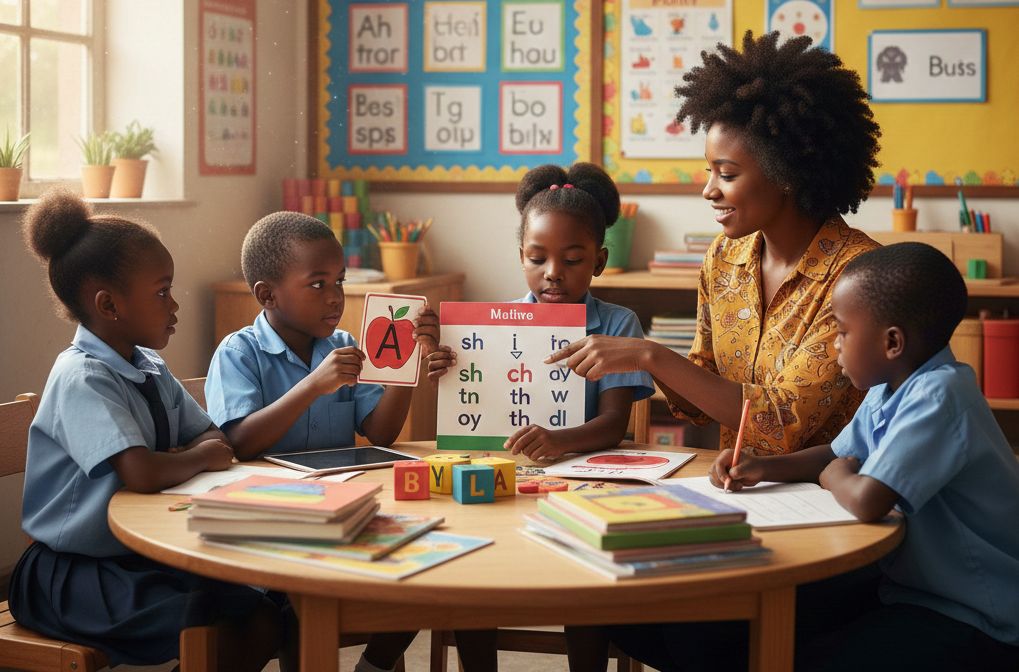









Learning to read is one of the most critical milestones in a child’s education. Yet for many early learners—and especially for children who struggle with reading—the connection between letters and sounds can feel confusing and overwhelming. Through working with early readers and reviewing evidence-based literacy practices, one instructional tool consistently stands out: decodable texts.
Decodable texts are not just beginner books. When used correctly, they are a powerful, research-supported bridge between phonics instruction and independent reading. In this guide, you’ll learn what decodable texts are, why reading experts recommend them, how they work in phonics instruction, and how to use them effectively to support confident, capable readers.
What Are Decodable Texts?
Decodable texts are reading materials intentionally written so that most of the words can be sounded out using phonics skills the reader has already been taught. Unlike leveled or predictable texts that encourage children to guess words from pictures or context, decodable texts require learners to apply letter–sound knowledge directly.
For example:
- After learning short vowel sounds and common consonants, a child may read words like cat, map, dog, and sun.
- As instruction progresses, texts gradually introduce digraphs (sh, ch), blends (st, cl), and vowel teams (ea, ai).
This controlled progression aligns with systematic phonics instruction, an approach strongly supported by reading science (National Reading Panel).
Why this matters: According to Reading Rockets, decodable texts help children “practice phonics skills in connected text,” which is essential for developing accurate word reading.
Why Decodable Texts Matter in Reading Instruction
1. They Teach Children to Decode—Not Guess
In classrooms and tutoring sessions, one common challenge is seeing children rely on pictures or memorized patterns instead of reading the words on the page. Decodable texts intentionally limit unfamiliar spelling patterns, pushing learners to decode using sound–symbol relationships.
Research summarized by the National Reading Panel shows that systematic phonics instruction leads to stronger reading outcomes than approaches that encourage guessing or memorization.
2. They Reinforce What Has Been Explicitly Taught
Decodable texts act as immediate practice tools. After a phonics lesson, students encounter the same patterns repeatedly in real sentences, strengthening neural connections between sounds and print.
The International Dyslexia Association (IDA) emphasizes that repeated, structured practice is essential—especially for students who do not intuitively pick up reading skills.
3. They Build Confidence and Reading Fluency
Because decodable texts are matched to the learner’s current skill level, children experience success early. In practice, this often leads to:
- Increased willingness to read independently
- Improved accuracy
- Gradual gains in fluency
Confidence is not a byproduct—it is a prerequisite for sustained reading growth.
4. They Are Especially Effective for Struggling Readers and Dyslexia
For students with dyslexia, guessing strategies can increase frustration and failure. The IDA clearly states that structured literacy, which includes decodable texts, is the most effective instructional approach for these learners.
“Students with dyslexia need explicit, systematic instruction and opportunities to apply those skills in controlled text.” — International Dyslexia Association
How Decodable Texts Fit into Phonics Instruction
Decodable texts are most effective when used as part of a structured literacy framework:
Step 1: Explicit Phonics Instruction
Teachers introduce a specific phonics skill (e.g., short vowels, blends) and model how to blend sounds into words.
Step 2: Targeted Reading Practice
Students read decodable texts containing a high percentage of words that use the newly taught patterns, allowing them to apply skills immediately.
Step 3: Gradual Skill Progression
High-quality decodable programs follow a clear scope and sequence, preventing cognitive overload while steadily increasing complexity.
Step 4: Balanced Reading Exposure
Decodable texts support decoding skills, while read-alouds and rich literature build vocabulary, background knowledge, and comprehension (Reading Rockets).
Common Misunderstandings About Decodable Texts
“Decodable Texts Are Boring”
Earlier versions often were. Modern decodable texts are intentionally written to be engaging, age-appropriate, and meaningful, while still controlling phonics patterns.
“Children Should Memorize Words Instead”
Memorization alone does not teach how the written language works. Cognitive science research shows that word recognition becomes automatic through decoding, not memorization (Ehri, orthographic mapping).
“Pictures Are Enough to Support Reading”
Pictures can support comprehension—but they should not replace decoding. Overreliance on pictures can slow the development of independent reading skills (Reading Rockets).
Practical Tips for Using Decodable Texts Effectively
To maximize impact:
- Match texts to instruction: Use texts that align with skills already taught
- Keep sessions short and frequent: 10–15 minutes daily is often more effective than long sessions
- Prompt decoding: Encourage children to sound out unfamiliar words
- Praise effort, not guessing: Reinforce strategy use, not speed
How to Choose High-Quality Decodable Texts
Look for materials that:
- Follow a clear phonics scope and sequence
- Limit untaught spelling patterns
- Are aligned with structured literacy principles
- Come from reputable literacy publishers or organizations
Conclusion
Decodable texts are not a trend—they are a research-backed instructional tool grounded in the science of reading. When thoughtfully integrated into phonics instruction, they help children learn how written language works, build confidence, and move toward fluent, independent reading.
Supported by organizations such as Reading Rockets, the National Reading Panel, and the International Dyslexia Association, decodable texts remain one of the most effective ways to turn phonics knowledge into real reading success.