









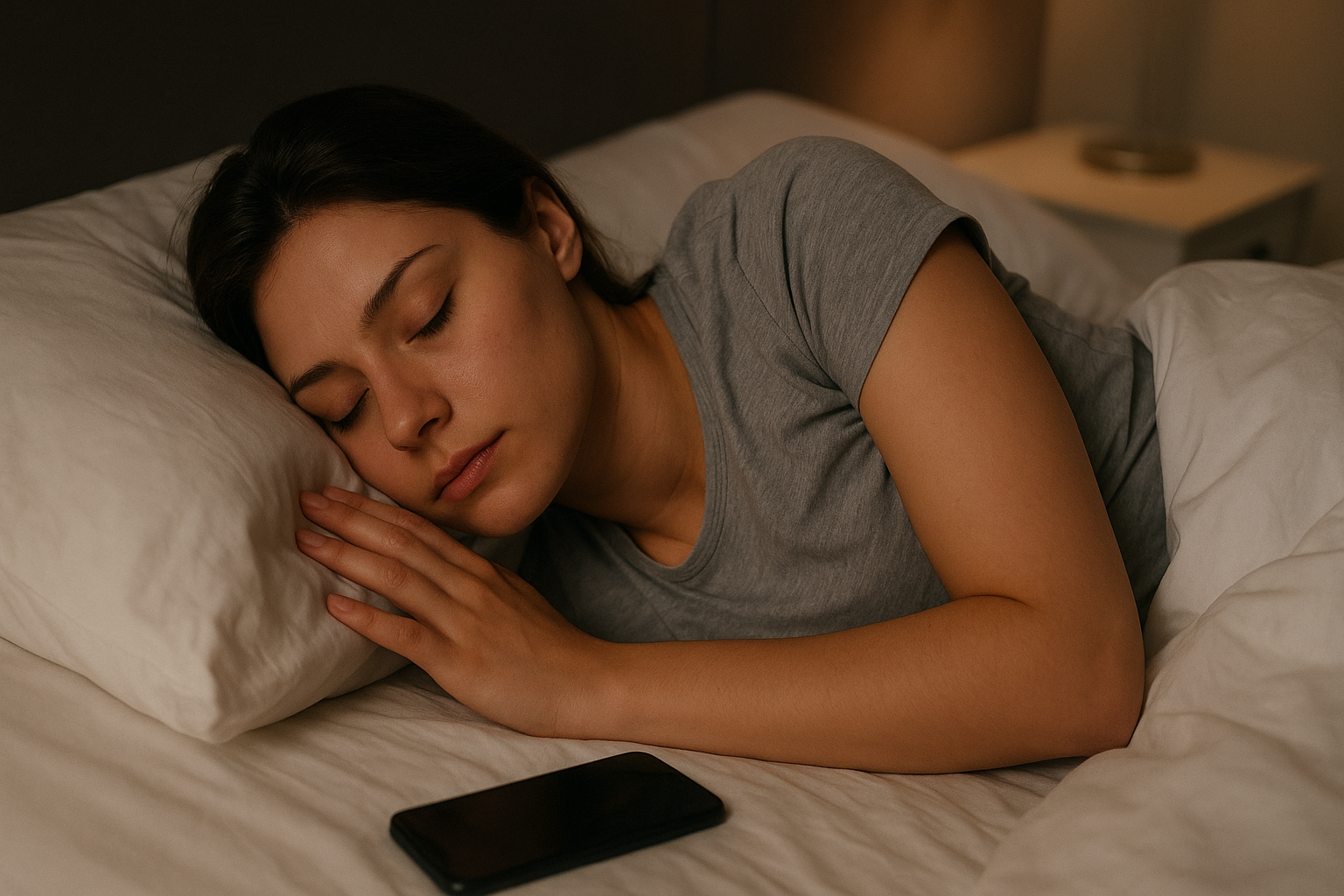
Why Your Phone Might Be Silently Affecting Your Health at Night
In today’s digital world, our phone has become more than a communication tool — it’s an alarm clock, entertainment device, camera, diary, and even a sleep companion. Many people fall asleep with their phones right next to them, often under their pillow or plugged in beside the bed. While this may seem harmless, research suggests otherwise.
Studies are now raising concerns about the potential dangers of sleeping with your phone beside you, including disrupted sleep patterns, higher stress levels, radiation exposure, and long-term effects on mental and physical health. This blog explores the risks, backed by recent findings, and suggests safe habits to improve your sleep and overall well-being.
Why Do We Sleep With Our Phone Nearby?
Before understanding the dangers, we should ask: Why do we keep the phone so close at night? Some common reasons include:
- Using it as an alarm clock
- Fear of missing an urgent call or message
- Browsing social media before bed
- Late-night entertainment (videos, games, or chatting)
- Lack of awareness about health risks
Unfortunately, this simple habit may be silently affecting your body and mind more than you realize.
1. Blue Light Disrupts Sleep Cycle
Your phone emits blue light, which tricks your brain into thinking it’s still daytime. Research published in Nature and Science of Sleep (2023) found that exposure to blue light before bedtime suppresses melatonin — the hormone responsible for sleep. This leads to:
- Difficulty falling asleep
- Lighter sleep with more interruptions
- Reduced deep sleep (critical for memory and repair)
- Increased daytime fatigue
Even if you put your phone beside you and do not actively use it, incoming notifications and screen activity may wake you up subconsciously — affecting sleep quality without you noticing.
2. Radiation Exposure – A Growing Concern
Phones emit RF-EMF (Radio Frequency Electromagnetic Fields). Although smartphone radiation is considered “low-level,” the World Health Organization classifies it as possibly carcinogenic — meaning long-term exposure may increase health risks.
While research is ongoing, several studies suggest avoiding placing your phone directly against your head or body for long durations — especially during sleep when your body is in recovery mode.
Sleeping with your phone beside you increases prolonged exposure, especially if it is placed under your pillow or connected to Wi-Fi or mobile data overnight.
3. Mental Health Impact – Anxiety & Hypervigilance
Your phone encourages a state known as “hypervigilance” — a condition where your brain stays alert, waiting for notifications even while you’re asleep.
A 2022 survey by Sleep Foundation revealed that over 40% of adults wake up at night to check their phone, leading to:
- Increased anxiety
- FOMO (fear of missing out)
- Trouble returning to sleep
- Higher stress hormone (cortisol) levels
- Reduced psychological rest
The constant connectivity of the phone keeps the mind partially active when it should be resting.
4. Interrupted Deep Sleep Affects Brain Function
During deep sleep, your brain performs important tasks:
- Memory consolidation
- Hormonal balance
- Cell and tissue repair
- Emotional regulation
However, notifications, vibrations, and screen illumination from your phone can interrupt these healing processes. A study from the University of California (2022) concluded that just one phone notification during sleep can pull the brain out of deep sleep, even if the user doesn’t wake up fully.
These interruptions can lead to poor concentration, irritability, memory issues, and cognitive fatigue during the day.
5. Fire Hazard – A Rare But Real Risk
Keeping your phone under your pillow while charging can generate heat, increasing fire risk. Many cases have been reported globally of phones overheating and causing burns or small fires.
Manufacturers warn that phones need ventilation during charging — placing them under pillows or bedsheets can trap heat, leading to battery damage or potential hazards.
6. Increased Eye Strain and Headaches
If you frequently scroll through your phone before bed, you may experience digital eye strain. Symptoms include:
- Headaches
- Dry or irritated eyes
- Blurred vision
- Difficulty focusing
- Sensitivity to light
The American Optometric Association warns that prolonged exposure to phone screens at night raises the risk of Computer Vision Syndrome (CVS), especially when done in low-light environments.
7. Reduced Self-Control & Sleep Discipline
Phones are designed to be addictive. Infinite scrolling, endless content, and flashing notifications stimulate dopamine — the brain’s “reward” chemical. This makes it difficult to put your phone down even when you’re tired.
This habit often leads to sleep procrastination, where users intentionally delay sleeping to keep browsing.
Does this sound familiar?
“I’ll just check one more email…”
“Let me watch one more video…”
“I’ll sleep after replying to this message…”
This behavioral loop could be harming your health more than you realize.
How to Protect Yourself: Healthy Phone Habits at Night
Here are safe and effective ways to reduce health risks while maintaining phone use wisely:
Switch to Airplane Mode Before Sleeping
This minimizes radiation exposure and prevents nighttime notifications.
Use ‘Do Not Disturb’ Mode
Allows emergency calls only — while blocking distractions.
Keep Your Phone at Least 1 Meter (3 Feet) Away
Distance significantly reduces exposure to both blue light and electromagnetic radiation.
Invest in an Analog Alarm Clock
This helps you detach from your phone during bedtime.
Turn Off Wi-Fi and Mobile Data
Wireless signals can disturb brainwave patterns — especially during REM sleep.
Avoid Using Your Phone 1 Hour Before Bed
Try reading a physical book or practicing calming exercises instead.
Use Night Mode or Blue Light Filter
Most modern smartphones offer built-in options to reduce blue light exposure in the evening.
Should We Stop Using Phones Completely at Night?
Not necessarily. The goal isn’t to eliminate phone use — but to use it wisely. Technology can help our lives, but it should not control or disturb our natural body rhythms.
The key is to create boundaries — especially during bedtime, when your body needs to heal, recover, and recharge.
Final Thoughts: Your Phone Should Not Be Your Sleep Partner
Our relationship with technology needs balance. While our phone is a powerful tool, sleeping beside it might come at the cost of mental, emotional, and physical health. Sleep is sacred — it’s your body’s repair time. Protect it.
👉 Try a smartphone-free bedtime routine for just one week — and notice the difference in your dream quality, morning energy, focus level, and mental clarity.
Your phone has power — but you have control.
Frequently Asked Questions (FAQs)
1. Does airplane mode reduce phone radiation during sleep?
Yes. Airplane mode stops your phone from transmitting signals, reducing RF radiation exposure significantly.
2. Is it safe to charge my phone beside my bed?
It’s better to keep it at a distance. Charging under pillows or blankets is risky due to heat buildup.
3. Can phones cause insomnia?
Blue light and notifications can interfere with melatonin production, making it harder to fall and stay asleep.
4. Is it okay to use a phone as an alarm?
Yes, but place it on a table away from your bed — not under your pillow.
5. What’s the safest distance to keep my phone during sleep?
Experts recommend keeping it at least three feet away in airplane mode.