










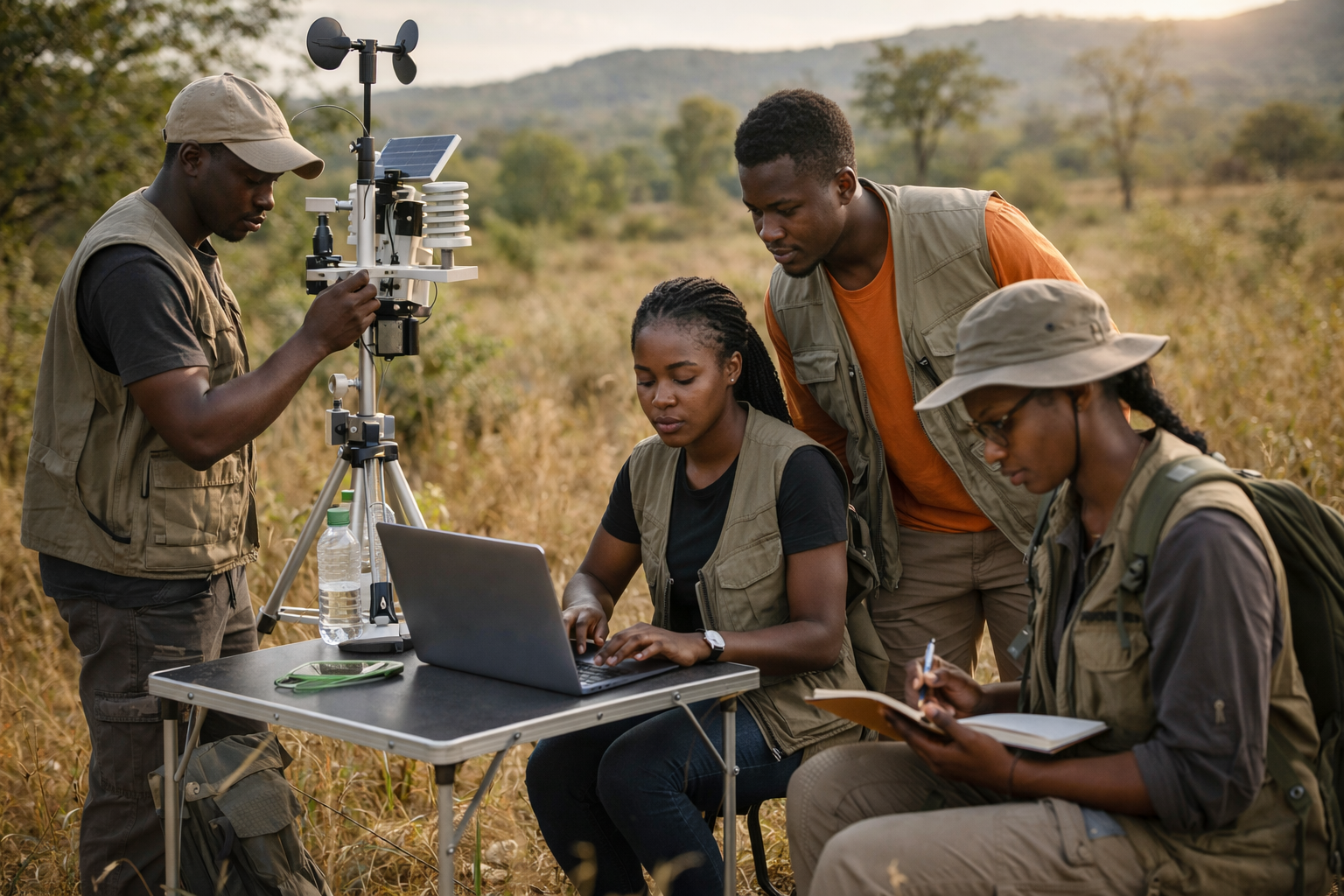
Climate change is no longer a distant environmental concern — it is already reshaping economies, agriculture, water systems, and public health across Africa. Rising temperatures, unpredictable rainfall, and extreme weather events are putting increasing pressure on communities across the continent.
According to the Intergovernmental Panel on Climate Change, Africa is one of the regions most vulnerable to climate change impacts due to limited adaptive infrastructure and high dependence on climate-sensitive sectors such as agriculture and fisheries.
To build the scientific and policy capacity needed to address these challenges, several universities and research institutions are investing in climate research fellowships for African scholars. One such opportunity is hosted at the University of Ghana, where postgraduate researchers can pursue advanced training in climate resilience, sustainability, and environmental policy.
This guide explains everything prospective applicants need to know, including:
- Available fellowship levels
- Research focus areas
- Benefits and funding coverage
- Eligibility criteria
- How to prepare a strong application
Why Climate Research Fellowships Are Important for Africa
Africa contributes relatively little to global greenhouse gas emissions, yet it faces some of the most severe consequences of climate change.
Research from the United Nations Environment Programme shows that climate change is already affecting:
- food production and agricultural productivity
- water availability
- public health systems
- coastal infrastructure
- rural livelihoods
Because of these challenges, African universities and international research institutions are investing in training a new generation of climate scientists, environmental economists, and sustainability experts.
Climate research fellowships help address three major gaps:
- Limited climate research capacity
- Need for locally relevant climate solutions
- Shortage of trained climate policy experts
By supporting postgraduate training and field research, these fellowships help develop professionals capable of designing climate adaptation strategies across African communities.
Climate Research Fellowship Opportunities in Ghana
Ghana has become an emerging hub for climate and sustainability research in West Africa.
The University of Ghana, one of the region’s leading research institutions, collaborates with international partners to support postgraduate research in environmental science and climate adaptation.
These fellowships typically support three levels of researchers.
Academic Levels Supported by the Fellowship
Master’s Degree Fellowships
Master’s fellowships are designed for students pursuing graduate degrees in climate-related disciplines such as:
- Environmental science
- Climate policy
- Sustainable agriculture
- Renewable energy
- Geography
- Environmental economics
Students usually complete a research thesis focused on solving a specific climate challenge, such as improving drought-resistant farming systems or analyzing climate policy effectiveness.
These programs typically last 12 to 24 months.
PhD (Doctoral) Fellowships
Doctoral fellowships support scholars conducting advanced research that contributes new knowledge to climate science and policy.
PhD fellows often work on multi-year research projects examining topics such as:
- climate adaptation strategies for African agriculture
- ecosystem restoration
- renewable energy transitions
- climate risk modeling
- water resource management
Doctoral research often includes fieldwork, data analysis, and publication in peer-reviewed journals.
Postdoctoral Research Fellowships
Postdoctoral fellowships are designed for early-career researchers who have already completed their PhD.
Postdoctoral fellows typically:
- lead independent research projects
- collaborate with international research teams
- contribute to policy reports
- publish scientific papers
These positions help researchers transition into academic or policy leadership roles.
Key Climate Research Areas Supported
Climate research is highly interdisciplinary. Fellows are encouraged to develop projects that combine science, policy, and community engagement.
Common research areas include:
Climate Resilience and Adaptation
Research on how communities can adjust to climate impacts such as droughts, floods, and rising temperatures.
Renewable Energy and Low-Carbon Development
Studies focused on expanding clean energy solutions including solar, wind, and sustainable bioenergy.
Sustainable Agriculture and Food Security
Research on climate-smart farming techniques that improve crop productivity while reducing environmental impact.
Urban Climate Adaptation
Studies examining how cities can respond to flooding, heat waves, and infrastructure vulnerability.
Climate Governance and Policy
Research on environmental regulations, climate finance, and international climate agreements.
Climate and Public Health
Research exploring how climate change affects disease patterns, air quality, and healthcare systems.
Many fellowship programs also encourage community-based research approaches that integrate local knowledge with scientific data.
What the Fellowship Typically Covers
One of the biggest advantages of climate fellowships is the financial support provided to researchers, allowing them to focus fully on their studies.
While benefits vary between programs, fully funded fellowships often include:
- Full or partial tuition coverage
- Monthly living stipend
- Research funding for fieldwork and data collection
- Travel grants for conferences and research collaboration
- Access to research laboratories and academic resources
- Mentorship from senior faculty and climate experts
Some programs also provide funding for international research exchanges or training workshops.
Professional Development Opportunities for Fellows
Beyond financial support, fellows gain access to career-building opportunities that significantly improve their research and leadership skills.
These may include:
Mentorship from Climate Experts
Fellows often work closely with experienced researchers and professors specializing in climate science, sustainability policy, and environmental economics.
International Conferences
Many programs support fellows in presenting their work at global conferences organized by institutions such as the World Bank and the United Nations Framework Convention on Climate Change.
Research Communication Training
Programs often provide workshops on:
- scientific writing
- policy communication
- data visualization
- stakeholder engagement
These skills help researchers translate scientific findings into practical solutions for policymakers and communities.
General Eligibility Requirements
Although requirements vary by program, most climate research fellowships expect applicants to meet several common criteria.
Typical eligibility requirements include:
- Citizenship from an African country
- Strong academic background in a relevant field
- Bachelor’s degree (for Master’s applicants)
- Master’s degree (for PhD applicants)
- Demonstrated interest in climate research or sustainability
- Strong research proposal aligned with program priorities
Applicants are often evaluated based on:
- academic performance
- research potential
- relevance of proposed research
- leadership potential
- commitment to solving climate challenges in Africa
Step-by-Step Guide to Preparing a Strong Fellowship Application
Climate fellowships are highly competitive, so preparation is essential.
Based on typical fellowship review criteria used by major research institutions, applicants should focus on the following strategies.
1. Develop a Focused Research Proposal
Your research proposal is usually the most important part of the application.
A strong proposal should clearly explain:
- the climate problem you want to study
- why it matters
- how you will conduct the research
- expected outcomes
For example:
Instead of writing a broad topic like:
Climate change and agriculture
A stronger proposal would be:
Evaluating climate-smart irrigation techniques for smallholder farmers in northern Ghana.
2. Highlight Academic and Research Achievements
Selection committees look for applicants with strong academic backgrounds and research potential.
Applicants should emphasize:
- relevant coursework
- research projects
- academic publications (if available)
- internships or field experience
3. Secure Strong Recommendation Letters
Most fellowships require two or three recommendation letters from professors or research supervisors.
Strong recommendation letters should:
- describe your research abilities
- highlight your academic performance
- explain your potential impact in climate research
4. Demonstrate Commitment to Climate Solutions
Applicants who clearly demonstrate a long-term commitment to environmental issues often stand out.
You can show this through:
- climate-related research
- environmental volunteer work
- sustainability initiatives
- participation in climate conferences
Common Mistakes Fellowship Applicants Should Avoid
Based on feedback from academic fellowship reviewers, common application mistakes include:
- submitting vague research proposals
- failing to explain the real-world impact of the research
- missing application documents
- poorly written statements of purpose
Applicants who present clear, solution-focused research ideas tend to have stronger applications.
Why Climate Research Fellowships Matter for Africa’s Future
Investing in climate research talent is critical for Africa’s long-term resilience.
Climate fellows often go on to become:
- environmental scientists
- climate policy advisors
- sustainability consultants
- university researchers
- government advisors
Their work contributes to evidence-based policies and innovative solutions that help communities adapt to climate change.
Organizations such as the United Nations Development Programme emphasize that strengthening local research capacity is one of the most effective ways to address climate challenges in developing regions.
Final Thoughts
Climate change is one of the defining challenges of the 21st century, particularly for countries across Africa. Training the next generation of climate researchers is essential for building sustainable solutions that protect ecosystems, economies, and communities.
Fully funded climate research fellowships provide an incredible opportunity for African students and early-career researchers to gain advanced education, conduct meaningful research, and contribute to global climate solutions.
For students passionate about environmental science, sustainability, or climate policy, applying for these fellowships can be a powerful step toward building a career that helps shape Africa’s climate-resilient future.