







Home » Phonics

Decodable Texts Explained: Why They Matter in Phonics Instruction

Learning to read is foundational for success in school and beyond. For many early learners, mastering the relationship between letters and sounds can be one of the biggest hurdles. That’s where decodable texts come in — specialized reading materials designed to support phonics-based learning and help children grow into confident, independent readers. In this guide,…

Decodable Texts used in phonics instruction to help early readers build decoding and reading confidence

Phonics vs. Whole Language: Which Reading Method Works Best?

Reading is a foundational skill that shapes a learner’s future academic success and lifelong opportunities. But how reading should be taught has sparked intense debate among educators, researchers, and parents over decades. At the center of this debate is the comparison known as Phonics vs Whole Language — two contrasting approaches to literacy instruction. In…

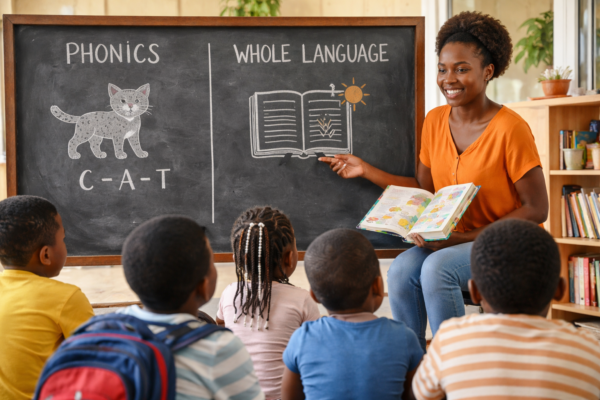
Phonics vs Whole Language reading methods comparison for early literacy development

How Phonics Helps With Reading Comprehension and Word Decoding

Learning to read is one of the most important skills a person develops in life. It affects academic success, communication, confidence, and lifelong learning. At the heart of strong reading ability lies phonics—a foundational approach that helps readers understand how letters and sounds work together. While phonics is often associated with early childhood education, its…

How phonics instruction improves reading comprehension and word decoding skills in early readers

Creative Phonics Games and Games to Improve Letter-Sound Recognition

Learning to read begins with understanding how letters and sounds work together. For many children, especially early learners, phonics instruction becomes more effective and enjoyable when it is delivered through play. Creative phonics games help children connect letters to their sounds naturally, building a strong foundation for reading, spelling, and overall literacy. This article explores…

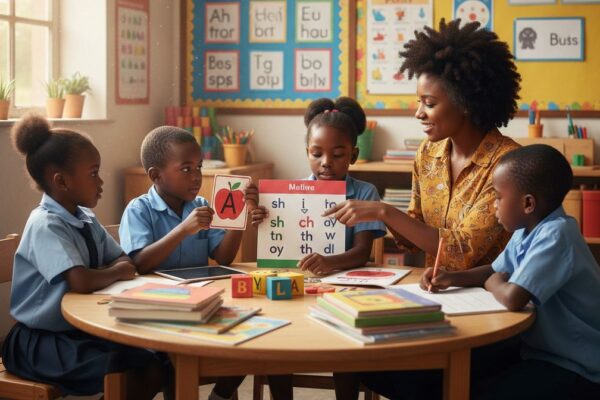
Young children playing phonics games in a classroom, using letter cards and visual aids to improve letter-sound recognition and early reading skills