






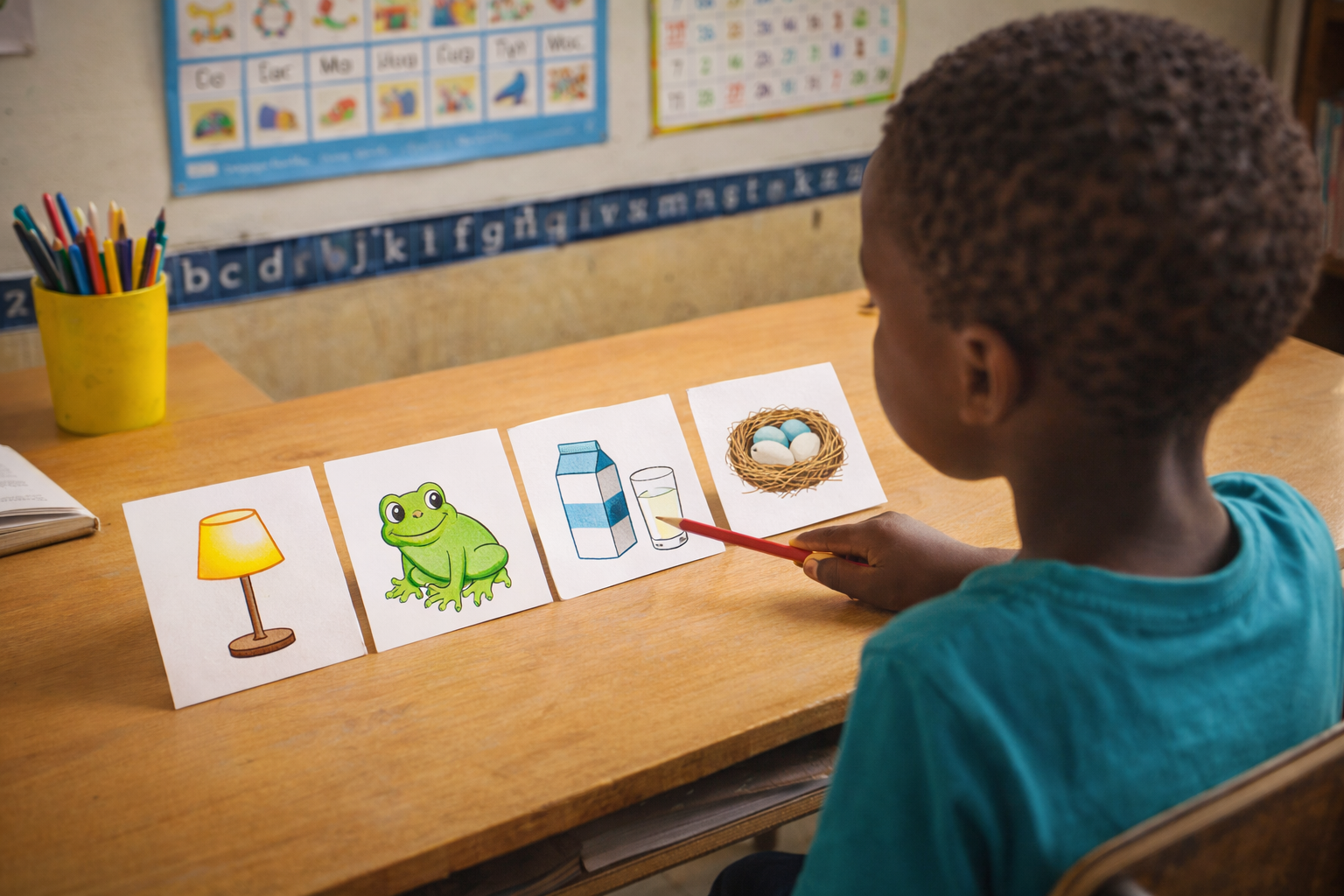




Public speaking is one of the most valuable skills students can develop. It affects how they express ideas, participate in class, and even how they perform in future academic and career settings.
Yet for many students, speaking in front of others triggers anxiety, self-doubt, or complete silence.
The good news? Confidence in public speaking is not a natural talent—it’s a skill that can be built with the right approach.
This guide combines practical classroom strategies, real teaching insights, and research-backed techniques to help students become more confident, capable speakers.
Why Confidence in Public Speaking Matters
Students who feel confident speaking are more likely to:
- Participate actively in class
- Express ideas clearly and persuasively
- Develop leadership and collaboration skills
Research in educational psychology consistently shows that students who engage verbally tend to retain information better and build stronger critical thinking skills.
However, confidence is often the missing link. A student may understand a topic fully but still hesitate to speak due to fear of judgment.
What I’ve Observed in Real Classrooms
In many learning environments, the biggest barrier isn’t ability—it’s fear of making mistakes in front of others.
For example:
- Some students avoid eye contact and speak softly even when they know the answer
- Others perform well in small groups but freeze during full-class presentations
A key turning point often happens when:
- Students feel psychologically safe
- They are allowed to practice in low-pressure settings
- Feedback focuses on improvement, not criticism
The takeaway: Confidence grows when students feel safe, prepared, and supported.
Create a Safe and Supportive Speaking Environment
Encourage a Judgment-Free Atmosphere
Students are more willing to speak when they know they won’t be embarrassed.
Effective strategies:
- Set clear rules for respectful listening
- Model positive feedback
- Address negative reactions immediately
In practice, classrooms that enforce peer respect see noticeably higher participation rates.
Normalize Mistakes as Part of Learning
Many students stay silent because they fear getting things wrong.
You can shift this mindset by:
- Sharing your own mistakes when teaching
- Praising effort, not just correct answers
- Reinforcing that improvement comes with practice
When mistakes are normalized, students take more risks—and that’s where growth happens.
Build Confidence Through Gradual Practice (Scaffolding Approach)
Confidence develops step by step—not all at once.
This method aligns with scaffolding, a widely used educational strategy where support is gradually reduced as students improve.
Start Small Before Scaling Up
Instead of jumping into full presentations, begin with:
- 30-second responses
- Pair discussions
- Small group sharing
In many cases, students who hesitate in large groups speak comfortably in pairs within days.
Progress to Structured Speaking Activities
Once students are more comfortable, introduce:
- Guided presentations with clear outlines
- Q&A sessions
- Role-playing scenarios
Structure reduces uncertainty and gives students a clear path to follow.
Teach Practical Speaking Skills (Not Just “Be Confident”)
Confidence improves when students know what to do.
1. Teach Clear Structure
Students often struggle because they don’t know how to organize their thoughts.
A simple framework:
- Introduction (What am I talking about?)
- Main points (2–3 key ideas)
- Conclusion (Summary or takeaway)
When structure is clear, confidence increases naturally.
2. Improve Delivery Skills
Non-verbal communication plays a major role in confidence.
Teach students to:
- Speak at a steady pace
- Maintain eye contact (even briefly)
- Use natural hand gestures
Even small improvements in delivery can significantly boost perceived confidence.
Reduce Public Speaking Anxiety (Evidence-Based Techniques)
Public speaking anxiety is common and is often linked to social anxiety or fear of judgment.
Research shows that anxiety decreases with:
- Repeated exposure
- Preparation
- Cognitive reframing
Practical Techniques That Work
- Deep breathing before speaking
- Pause and reset when stuck
- Practice aloud before presenting
Reframe Nervousness as a Positive Signal
Students often interpret nervousness as failure.
Help them understand:
- A fast heartbeat = readiness, not danger
- Even experienced speakers feel nervous
- Nervous energy can improve performance
This mindset shift alone can significantly improve confidence.
Use Engaging and Relevant Topics
Students speak more confidently when they care about the topic.
Give Students Choice
- Allow them to choose topics
- Encourage personal stories
- Connect lessons to real-life situations
For example, students often speak more confidently about hobbies or personal experiences than assigned topics.
Provide Constructive Feedback That Builds Confidence
Feedback should guide—not discourage.
Use the “2 + 1” Method:
- 2 strengths
- 1 area for improvement
Example:
- “You explained your idea clearly and maintained good eye contact. Next time, try speaking a bit louder.”
This keeps feedback balanced and actionable.
Encourage Reflection and Self-Assessment
Self-awareness helps students improve faster.
Ask students to reflect:
- What did I do well?
- What can I improve?
- How did I feel while speaking?
Over time, students become more confident because they understand their own progress.
A Simple 4-Week Plan to Build Speaking Confidence
Week 1: Low-Pressure Speaking
- Pair discussions
- Short verbal responses
Week 2: Small Group Interaction
- Group presentations
- Guided discussions
Week 3: Structured Speaking
- 1–2 minute presentations
- Use clear outlines
Week 4: Full-Class Presentation
- Short individual presentations
- Constructive feedback
This gradual progression reduces fear and builds confidence step by step.
Make Public Speaking Part of Daily Learning
Confidence improves with repetition.
Instead of occasional presentations:
- Ask open-ended questions daily
- Include short speaking tasks regularly
- Encourage discussion in every lesson
Frequent exposure reduces anxiety over time.
Support Different Types of Learners
Not all students develop confidence at the same pace.
Be Flexible and Patient
- Allow alternative participation (e.g., small groups first)
- Provide extra practice opportunities
- Celebrate small improvements
Even small wins can significantly boost confidence.
Common Mistakes to Avoid
- Forcing students into high-pressure situations too early
- Giving only negative feedback
- Ignoring quieter students
- Focusing only on “perfect” delivery
Confidence grows through progress, not pressure.
Conclusion
Helping students build confidence in public speaking is not about eliminating fear—it’s about helping them manage it and grow through it.
With:
- A supportive environment
- Clear strategies
- Gradual practice
- Consistent encouragement
…students can transform from hesitant speakers into confident communicators.
Confidence is not built overnight—but with the right approach, it is absolutely achievable for every student.
Final takeaway:
The most effective way to build confidence in public speaking is simple:
Start small, stay consistent, and focus on progress—not perfection.