







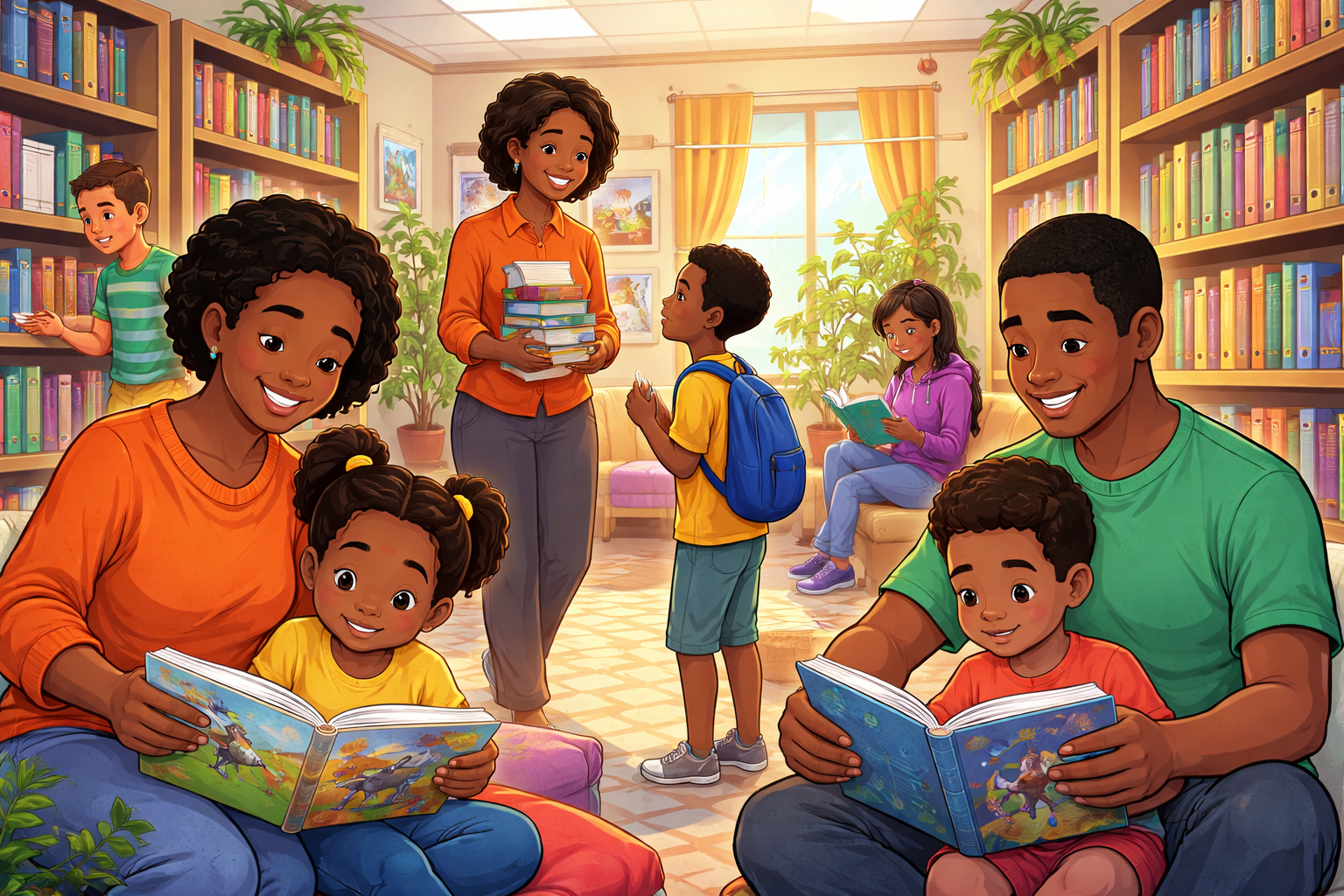
In an age dominated by digital distractions, cultivating a genuine love for reading has become both more challenging—and more essential—than ever. From my experience working with small community reading spaces and classroom libraries, one truth consistently stands out: a library’s impact is shaped less by the number of books it holds and more by how intentionally it is designed and used.
A well-designed library is not simply a storage room for books. When thoughtfully planned, it becomes a space that encourages curiosity, invites exploration, and helps readers—children and adults alike—form lasting reading habits.
Whether you are building a community library, a school reading corner, or a home library, the principles below are grounded in real-world practice, literacy research, and established educational guidance.
Why Libraries Matter More Than Ever
Libraries play a critical role in literacy development, especially in environments where access to books is limited. According to UNESCO, access to reading materials is one of the strongest predictors of literacy development and lifelong learning outcomes. Similarly, the National Literacy Trust (UK) reports that children who grow up in reading-rich environments are significantly more likely to read for pleasure and develop stronger language skills.
In practice, I’ve seen this firsthand. In spaces where books were visible, accessible, and actively promoted, readers spent more time engaging with texts and were more willing to explore new genres. Simply put, exposure and environment matter.
However, access alone is not enough. To truly inspire reading, libraries must be intentionally designed to feel personal, inclusive, and engaging.
Building a Strong Foundation: Designing a Library That Welcomes Everyone
Curate a Thoughtful and Inclusive Collection
An effective library collection reflects the diversity, interests, and reading levels of its users. Based on both educational research and practical application, a balanced collection should:
- Represent diverse cultures, identities, and lived experiences
- Include fiction, nonfiction, poetry, graphic novels, and informational texts
- Cater to varying reading levels, from early readers to advanced learners
- Offer multiple formats, including audiobooks and digital titles
The American Library Association (ALA) emphasizes that inclusive collections help readers see themselves in books while also learning about others—an essential factor in sustained reading engagement.
Create a Comfortable and Inviting Space
The physical environment of a library significantly affects how long people stay and how often they return. In libraries I’ve helped reorganize, small changes—such as rearranging seating or improving lighting—led to noticeable increases in reading time.
Effective design elements include:
- Comfortable seating and reading nooks to support focused reading
- Adequate lighting to reduce eye strain and increase comfort
- Flexible spaces for quiet reading, group discussions, and activities
- Rotating book displays that highlight themes, seasons, or new arrivals
Research summarized by the International Federation of Library Associations (IFLA) shows that welcoming, flexible library environments directly contribute to higher user engagement and satisfaction.
Programs That Actively Encourage Reading Engagement
Give Readers Choice and Ownership
Allowing readers to choose what they read is one of the most consistently supported strategies in literacy education. Educational psychologist research on self-determination theory shows that autonomy increases intrinsic motivation—a key factor in voluntary reading.
Practical strategies include:
- “Reader’s choice” shelves curated by users
- Recommendation boards where readers share favorite books
- Personal reading journals or goal-setting tools
When readers feel ownership over their choices, reading shifts from obligation to enjoyment.
Turn Reading Into an Interactive Experience
Libraries are most effective when they move beyond passive book lending. In successful programs I’ve observed, interactive activities significantly increased participation and return visits.
High-impact activities include:
- Reading challenges and themed programs
- Book clubs and guided discussion groups
- Storytime and read-aloud sessions, especially for young readers
- Literacy games, scavenger hunts, and book-based quests
According to the National Literacy Trust, shared reading and discussion activities strengthen comprehension, confidence, and social connection around books.
Extending Reading Beyond the Library
Involve Families in the Reading Journey
Literacy development does not stop at the library door. Research from Harvard’s Graduate School of Education highlights the strong link between family involvement and reading success.
Effective approaches include:
- Sharing simple reading strategies with parents and caregivers
- Hosting family reading events or workshops
- Providing take-home reading lists and activity guides
When reading becomes part of everyday home life, its impact multiplies.
Partner With Schools and Community Organizations
Collaboration strengthens reach and relevance. Libraries that partner with schools and local organizations can:
- Align collections with curriculum needs
- Host joint literacy events and author visits
- Expand access through outreach programs
The OECD consistently notes that coordinated community literacy efforts produce better educational outcomes than isolated initiatives.
Sustaining Engagement Over Time: Practical Best Practices
To keep interest high and usage consistent:
- Rotate featured books regularly
- Highlight underrepresented voices and new genres
- Promote programs through notice boards and social media
- Collect reader feedback to guide future decisions
Tracking simple metrics—such as program attendance, book circulation, or average visit length—also helps measure what is working and where improvements are needed.
Conclusion: From Physical Space to Reading Culture
A truly effective library evolves beyond shelves and seating. It becomes a culture of curiosity, where reading is celebrated, shared, and sustained. By combining inclusive collections, inviting design, interactive programming, and community involvement, libraries can play a transformative role in building lifelong readers.
When thoughtfully planned and actively nurtured, a library does more than house books—it opens doors to imagination, knowledge, and connection that extend far beyond its walls.