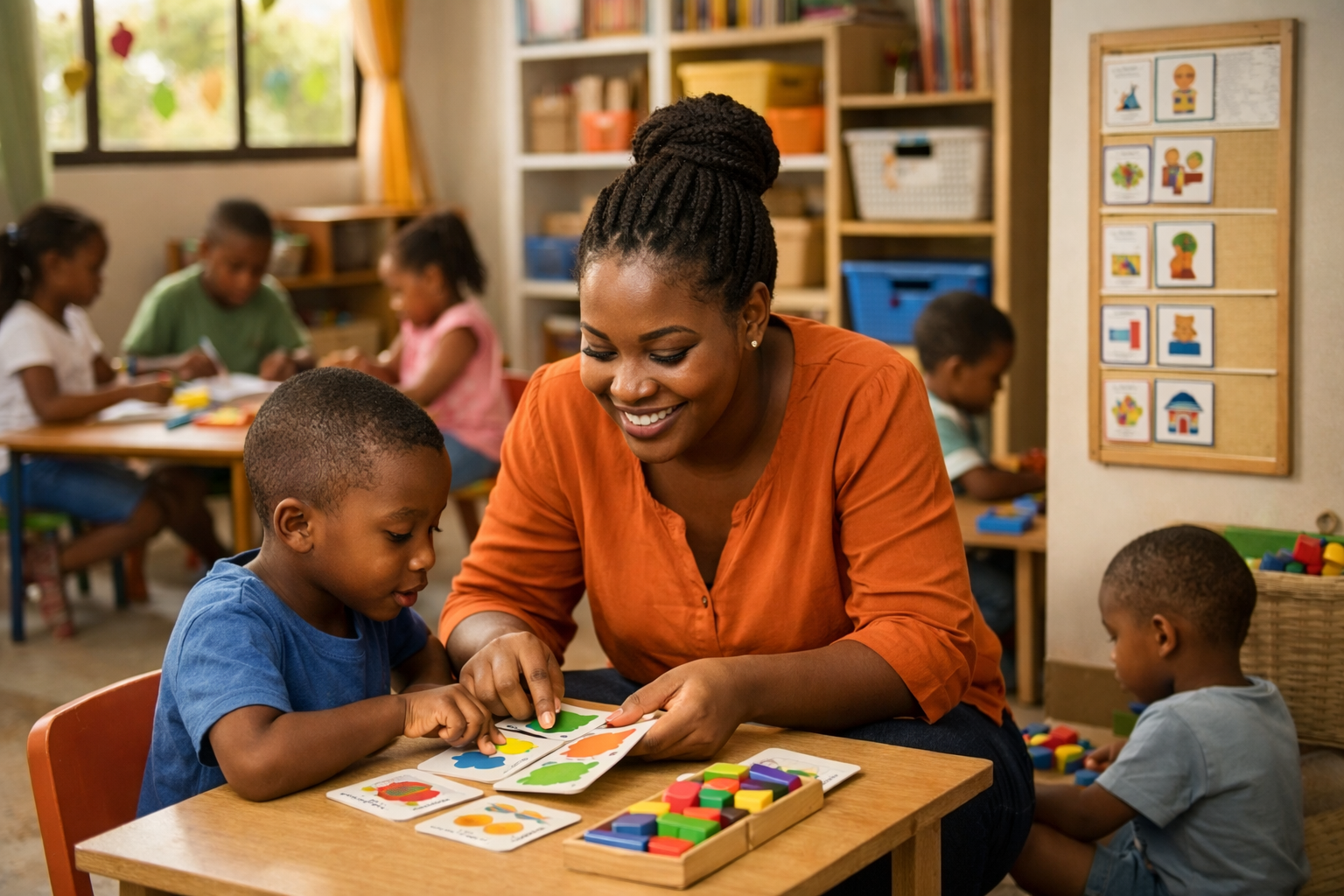




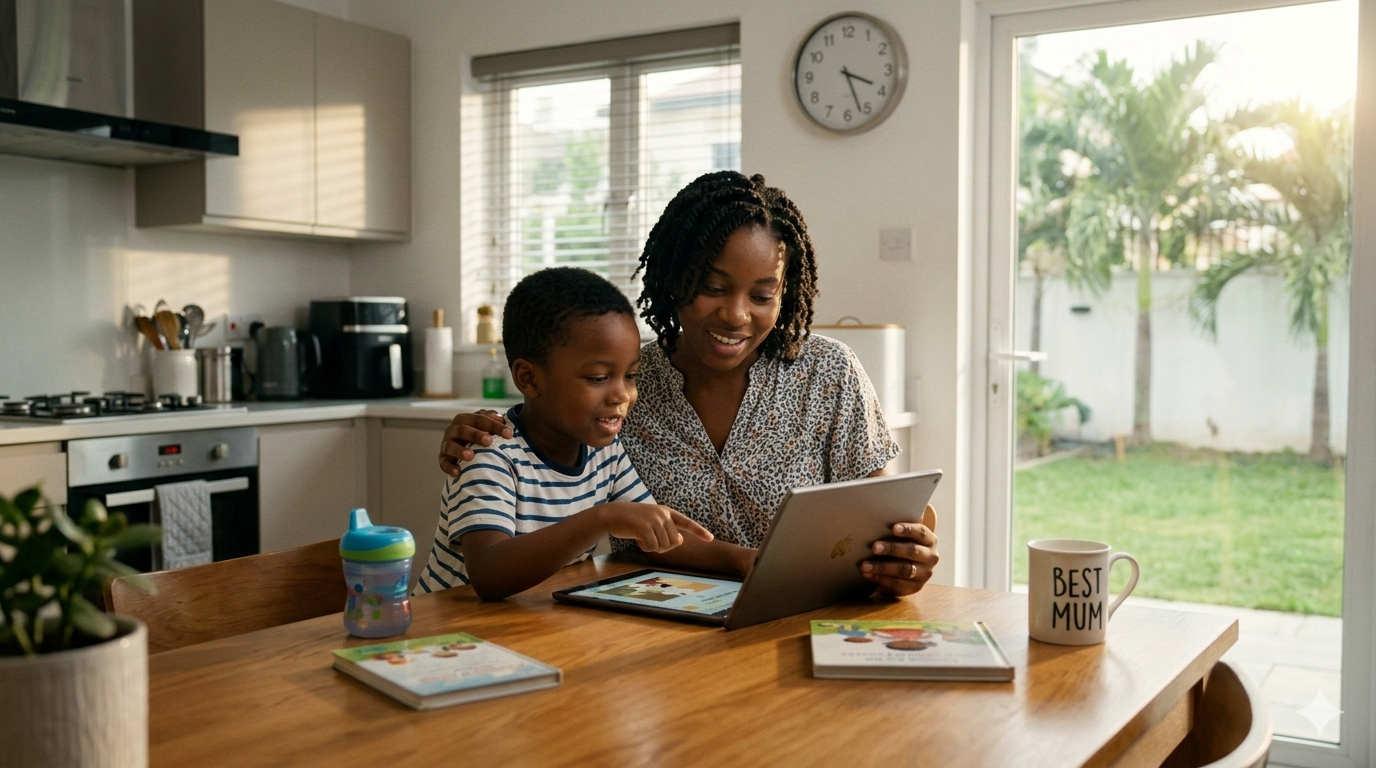





We live in a world where borders are becoming more digital than physical. People communicate, work, and learn across countries—and languages. For children growing up today, multilingualism is not only an advantage but a powerful brain-development booster. Research shows that early exposure to more than one language shapes cognitive growth, improves emotional intelligence, and builds strong problem-solving skills. In fact, scientists now believe that the benefits of speaking multiple languages during childhood extend well beyond communication—they reshape the architecture of the brain.
But what exactly happens inside the young mind when multiple languages are spoken at home? Does it cause confusion—or enhanced brain power? Can bilingual or multilingual children gain an academic and emotional advantage?
This article explores the scientific, psychological, and long-term benefits of multilingualism during childhood, and why nurturing language skills at home may be one of the most valuable investments a parent can make.
Why Childhood Is the Best Time to Learn Multiple Languages
The Brain’s Golden Window: Early Neuroplasticity
The human brain experiences its highest level of neuroplasticity during early childhood, especially between ages 0 and 7. This is known as the Critical Language Acquisition Window, where the brain absorbs sound patterns, grammar rules, accents, and meanings faster than at any later stage in life.
A study published in Nature Communications found that children exposed to bilingual environments before age five scored higher in attention control, working memory, and task-switching abilities than monolingual children. Their brains are consistently choosing, adapting, and filtering linguistic information—a process that strengthens executive function.
Multilingual Homes Naturally Train the Brain
When children hear and speak different languages at home, their brains are constantly making quick decisions:
- Which word belongs to which language?
- Which language suits this situation?
- How do I respond correctly?
That continuous mental exercise builds strong neural connections—setting the stage for improved learning capacity throughout life.
Cognitive Benefits of Speaking Multiple Languages in Childhood
1. Enhanced Executive Function
One of the greatest benefits of childhood multilingualism is the strengthening of executive function—the brain’s ability to plan, focus, and manage tasks. Because bilingual children must choose the correct language depending on context, their prefrontal cortex becomes more active and efficient.
A University of Cambridge study found that bilingual children are significantly better at concentration and decision-making tasks than monolingual children. They switch between languages effortlessly—training the brain to adapt quickly.
2. Improved Problem-Solving Skills
Multilingual children naturally interpret situations from more than one perspective. They understand that words can have multiple meanings and learn to grasp context faster. This type of flexible thinking enhances:
- Creativity
- Logical reasoning
- Analytical abilities
- Adaptability in new environments
Their brains are trained to think beyond single-language frameworks—giving them a strong advantage in both social and academic settings.
3. Stronger Memory and Learning Ability
During childhood, language learning constantly activates memory centers in the brain. Children store vocabulary, recall sounds, apply grammar rules, and understand sentence structures. This daily workout strengthens both short-term and long-term memory.
According to research published in Child Development, bilingual children outperform monolingual children in memory recall, pattern recognition, and language-related puzzles. This strong foundation of memory becomes useful in mathematics, science, reading, and logical decision-making.
Brain Development: What Neuroscience Reveals
Thanks to modern brain imaging technology (fMRI and CT scans), researchers have observed how bilingual brains differ from monolingual ones.
| Brain Region | Function | Impact of Multilingualism |
|---|---|---|
| Prefrontal Cortex | Decision-making | Increased neural efficiency |
| Hippocampus | Memory formation | Greater structural development |
| Corpus Callosum | Communication between hemispheres | Stronger connectivity |
| Anterior Cingulate Cortex | Cognitive flexibility | Improved conflict resolution |
A 2023 European meta-analysis revealed that bilingual children have denser gray matter and more active neural networks in areas related to attention, memory, and reasoning.
In other words: multilingual exposure during childhood does not just improve thinking—it physically changes the brain.
Does Speaking Multiple Languages Cause Confusion?
Understanding Code-Switching
Parents sometimes worry that speaking multiple languages might confuse children or cause speech delays. However, experts fully disagree. Children mixing languages—a behavior called code-switching—is not a sign of confusion. In fact, it shows cognitive strength.
Harvard’s Center on the Developing Child confirms that children who blend languages early are actively learning to manage multiple systems. It’s a normal part of language development and often leads to higher language proficiency later.
The Myth of Speech Delay
Studies have consistently shown that bilingual children do not experience lasting speech delays. They may start speaking slightly later, but they quickly catch up—and often surpass monolingual peers in vocabulary, social intelligence, and comprehension.
Long-Term Benefits: Beyond Childhood
Academic Advantages
Multilingual children often perform better in subjects related to logic, language arts, and reading comprehension. Why? Because language learning builds pattern recognition, sequencing, and memory—all essential academic skills.
Career Benefits
In the global job market, multilingual employees have a clear advantage. Fields like technology, tourism, marketing, healthcare, diplomacy, education, and remote work increasingly favor bilingual and multilingual professionals.
Mental Health & Social Intelligence
Speaking multiple languages enhances emotional awareness. Children become better at empathy, listening, cultural understanding, and communication—important skills for leadership and relationships.
Protection Against Cognitive Decline
A study published in Neurology Journal found that bilingual individuals experience dementia 4–5 years later than monolinguals on average. The mental flexibility gained during childhood protects the brain for decades.
How Parents Can Encourage Language Learning at Home
Practical Strategies for Everyday Life
You don’t need to be a linguist to raise a multilingual child. Simple exposure is enough:
- Speak native languages consistently at home
- Assign different languages to activities (e.g., English at dinner, French at bedtime)
- Read bilingual books and stories
- Watch kids’ shows in different languages
- Encourage conversation with relatives who speak other languages
- Use language-learning apps like Duolingo Kids or Gus on the Go
Make Language Learning Fun
Children learn best when they don’t feel pressured. Use games, songs, storytelling, rhymes, and interactive tools to make it natural—not forced.
Avoid Over-Correction
If a child mixes languages, don’t interrupt too often. Let them speak comfortably. Natural exposure—combined with time—will develop fluency.
The Future of Learning: Why Multilingualism Matters More Than Ever
The digital age demands skills that traditional schooling alone may not fully provide:
✔ Creativity
✔ Adaptability
✔ Global awareness
✔ Problem-solving
✔ Emotional intelligence
Multilingualism strengthens all of these. In fact, it may be one of the most important tools for preparing children for future careers and lifelong learning.
With the rise of artificial intelligence, global communication, and remote work, multilingualism in childhood is evolving from cultural advantage to essential life skill.
Conclusion
Speaking multiple languages at home during childhood builds more than communication—it builds the brain. It enhances memory, sharpens focus, boosts social intelligence, strengthens academic performance, and even protects against cognitive decline later in life.
As research continues to unfold, one fact becomes clear:
The childhood brain thrives in multilingual environments.
Language is not just a means of speaking—it is a powerful way of thinking.
Encouraging multilingualism at home is not about developing perfect fluency—it’s about shaping a stronger, smarter, and more adaptable mind for the future.