







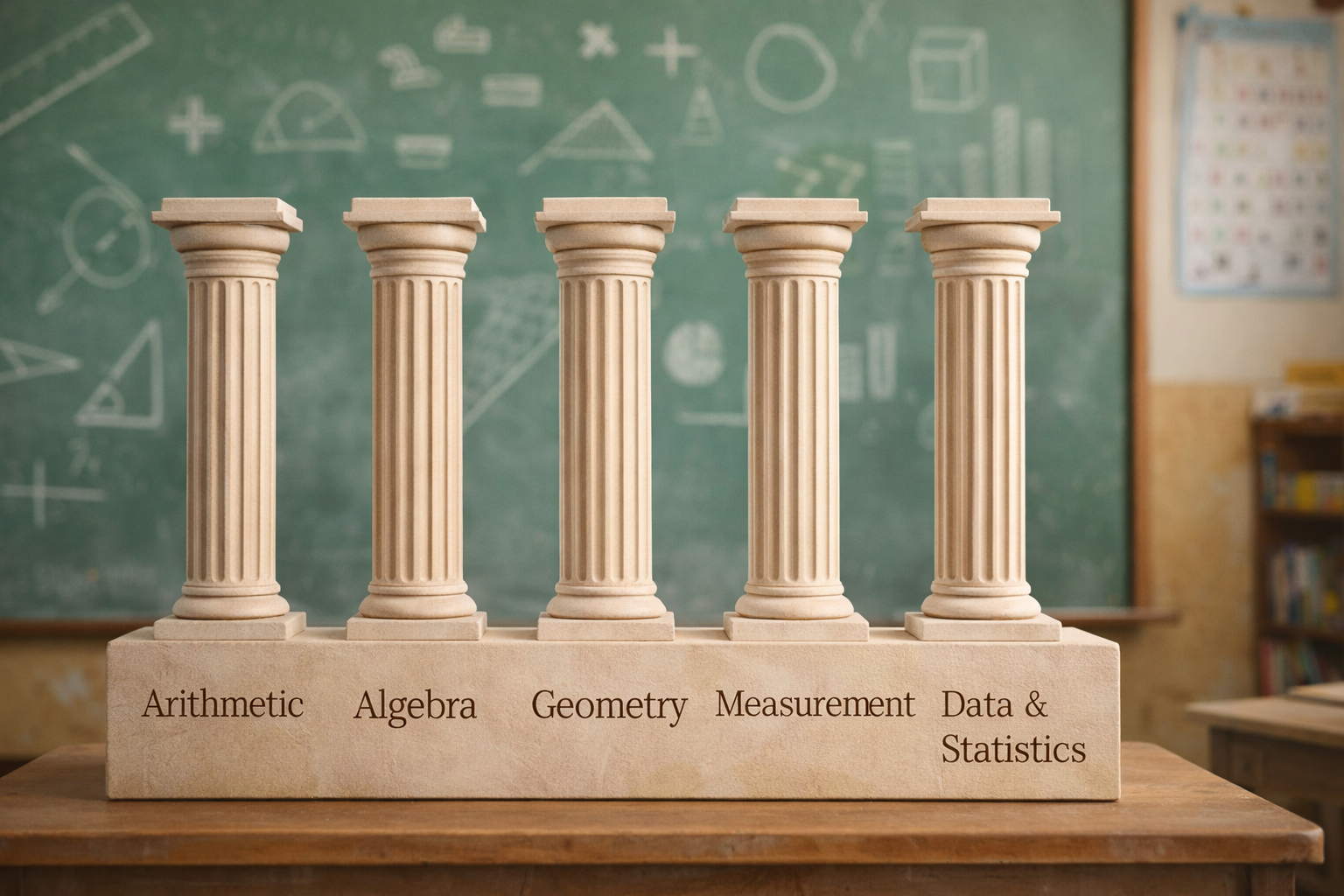


Mathematics remains one of the most important — and most challenging — subjects for students worldwide. Over the past few years, and especially heading into 2026, online math resources have evolved far beyond simple calculators or answer generators. Today’s best platforms combine step-by-step explanations, visual learning, adaptive practice, and personalized feedback to support real understanding, not just correct answers.
Having used several of these tools directly while supporting students across middle school, high school, and introductory college-level math, one pattern is clear: students who pair the right learning platform with responsible calculator use develop stronger confidence and long-term problem-solving skills.
This guide reviews the most effective and reliable online math resources and calculators for students in 2026, explains who each tool is best for, and shows how to use them responsibly to improve learning outcomes.
Why Online Math Resources Matter More Than Ever in 2026
Traditional textbooks still play a role, but they often fail to address different learning speeds and styles. In contrast, modern digital math tools support how students actually learn — through visualization, immediate feedback, and repeated practice.
Educational research consistently shows that students retain math concepts better when they receive:
- Immediate feedback on mistakes
- Visual representations of abstract ideas
- Opportunities for self-paced learning
From firsthand classroom and independent learning experiences, students using online math platforms regularly report:
- Reduced math anxiety
- Better conceptual understanding
- Improved exam preparation efficiency
With improved global internet access and mobile-friendly design, these tools now support learning anytime, anywhere.
Best Online Math Learning Platforms (Concept-Focused)
Khan Academy — Best for Structured Learning & Foundations
Khan Academy continues to be one of the most widely trusted free math learning platforms in 2026. In practice, it works especially well for students who need clear explanations and guided progression, particularly in algebra, geometry, and early calculus.
Why it works educationally:
- Concepts are broken into manageable lessons
- Practice problems reinforce mastery before progression
- Students learn why a solution works, not just how
In real use, students who consistently follow Khan Academy’s practice paths tend to show noticeable improvement in test confidence and foundational skills within weeks
Best for: Middle school to early college students building strong fundamentals.
Coursera & edX (Math-Focused Courses) — Best for Advanced & Academic Depth
Platforms such as Coursera and edX host university-designed math courses taught by professors and subject-matter experts. These courses emphasize theoretical understanding and real-world application, making them suitable for advanced learners.
Educational value includes:
- Academic rigor aligned with university standards
- Structured assessments and assignments
- Exposure to applied mathematics in science, engineering, and data analysis
These platforms are best used when students already have basic proficiency and want a deeper conceptual or career-oriented understanding
Best for: Advanced high school students, college students, and adult learners.
Brilliant.org — Best for Critical Thinking & Problem Solving
Brilliant emphasizes active problem-solving over passive content consumption. From experience, students who struggle with abstract reasoning often benefit from Brilliant’s interactive approach.
Why it stands out:
- Encourages logical reasoning instead of memorization
- Uses guided discovery rather than direct instruction
- Strengthens mathematical intuition
Research in math education supports this approach, showing that inquiry-based learning improves long-term retention and transfer of skills
Best for: Curious learners who want to strengthen reasoning and analytical skills.
Best Online Math Calculators (Learning-Focused)
Desmos Graphing Calculator — Best for Visual Learners
Desmos has become a classroom standard in many school systems due to its intuitive design and accurate visual output
From direct use with algebra and calculus students, Desmos consistently helps learners:
- Connect equations to graphical behavior
- Understand variable relationships
- Identify mistakes visually
Best for: Algebra, trigonometry, calculus, and mastery of visual concepts.
Wolfram Alpha — Best for Advanced Exploration & Verification
Wolfram Alpha functions as a computational knowledge engine rather than a simple calculator. When used correctly, it supports deep learning by showing solution steps and alternative methods.
Educational strengths:
- Handles advanced topics (linear algebra, statistics, calculus)
- Explains intermediate steps for many problem types
- Encourages exploration beyond final answers
However, educators consistently recommend using Wolfram Alpha as a learning companion, not a shortcut.
Best for: College-level math and advanced high school students.
GeoGebra — Best for Dynamic Concept Visualization
GeoGebra integrates geometry, algebra, and calculus into a single interactive environment. It is widely used in classrooms and teacher-designed lesson plans worldwide
Students who struggle with abstract relationships often benefit from GeoGebra’s dynamic manipulation tools.
Best for: Geometry, transformations, functions, and conceptual visualization.
Math Tools for Exam Preparation
Symbolab — Best for Step-by-Step Review
Symbolab is particularly effective for exam preparation when students already understand the basics but need clarity on methods and procedures.
Best use cases:
- Reviewing solution strategies
- Identifying where mistakes occur
- Reinforcing problem-solving structure
Used responsibly, Symbolab strengthens procedural fluency rather than replacing learning
Mathway — Best for Quick Answer Verification
Mathway provides fast solutions across many math topics. In practice, it works best as a checking tool rather than a primary learning resource.
Educational caution: Overuse without reviewing steps may limit understanding.
Best for: Homework verification and quick checks.
Online Math Resources for Younger Students
Coolmath — Best for Engagement & Early Logic Skills
Coolmath introduces mathematical thinking through games and puzzles, helping younger learners develop problem-solving skills without pressure.
Best for: Elementary and middle school students building confidence.
IXL Math — Best for Skill-Based Practice & Tracking
IXL aligns practice questions with school standards and provides immediate feedback. Parents and teachers often use it to identify learning gaps and track progress
Best for: Structured practice across grade levels.
How to Choose the Right Math Resource (Quick Guide)
Choose based on your goal:
- Concept learning: Khan Academy, Brilliant
- Visualization: Desmos, GeoGebra
- Exam prep: Symbolab, Wolfram Alpha
- Quick checks: Mathway
- Younger learners: Coolmath, IXL
Using one learning platform + one calculator often produces the best results.
Responsible Use of Online Math Calculators
Educational studies emphasize that calculators are most effective when students:
- Attempt problems independently first
- Review solution steps carefully
- Use tools for verification, not substitution
From experience, students who follow this approach show stronger long-term retention and confidence.
The Future of Online Math Learning
By 2026, most leading platforms incorporate:
- Adaptive difficulty systems
- Personalized feedback loops
- Visual simulations for abstract concepts
These trends align with broader digital education research showing improved outcomes when instruction adapts to individual performance
Conclusion
The best online math resources and calculators in 2026 are not just about solving problems — they help students understand concepts, build confidence, and think critically.
Platforms like Khan Academy, Desmos, Wolfram Alpha, GeoGebra, and Brilliant consistently support meaningful learning when used responsibly. By choosing tools aligned with learning goals and combining them thoughtfully, students can transform math from a source of frustration into a manageable — and even enjoyable — subject.