

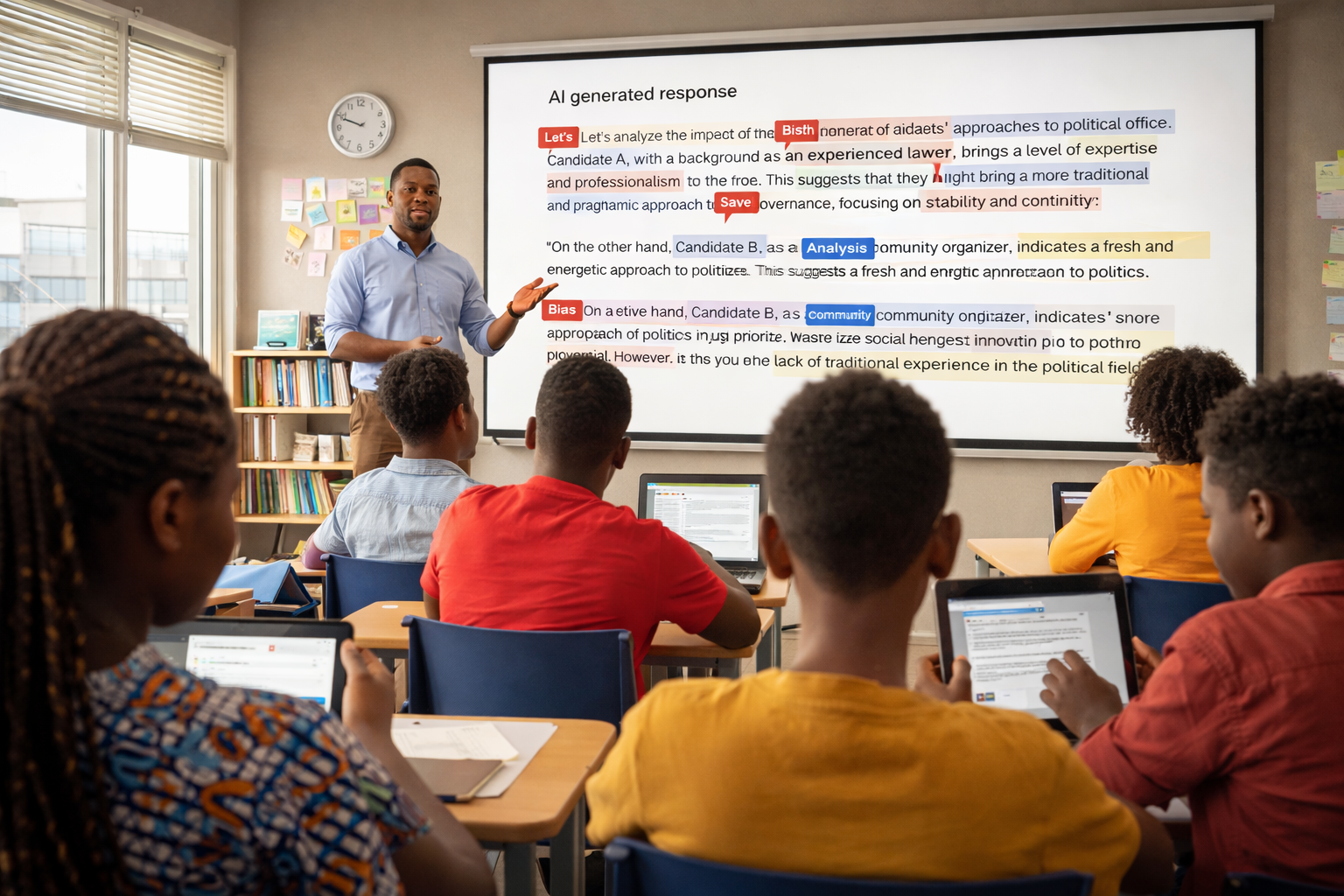
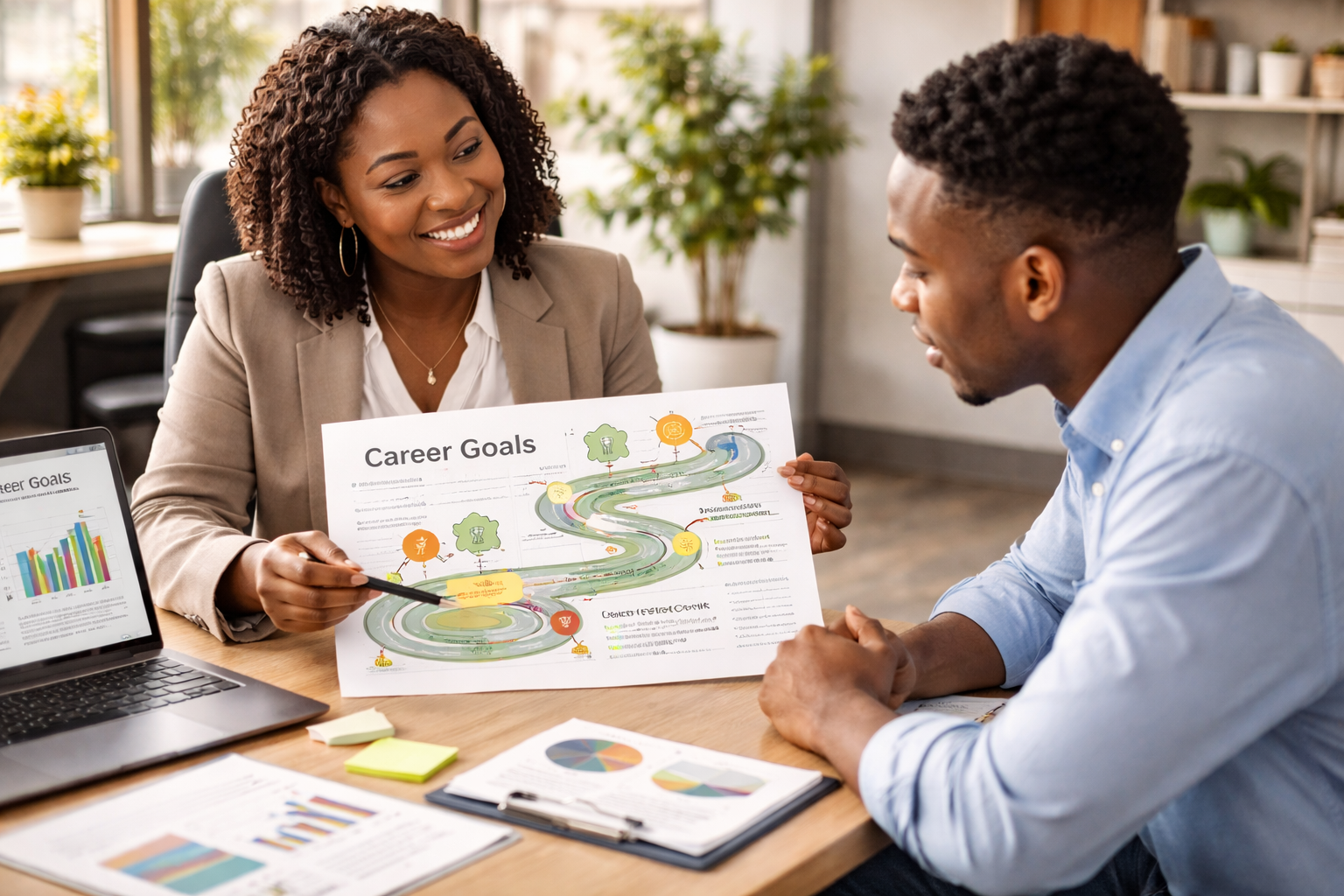


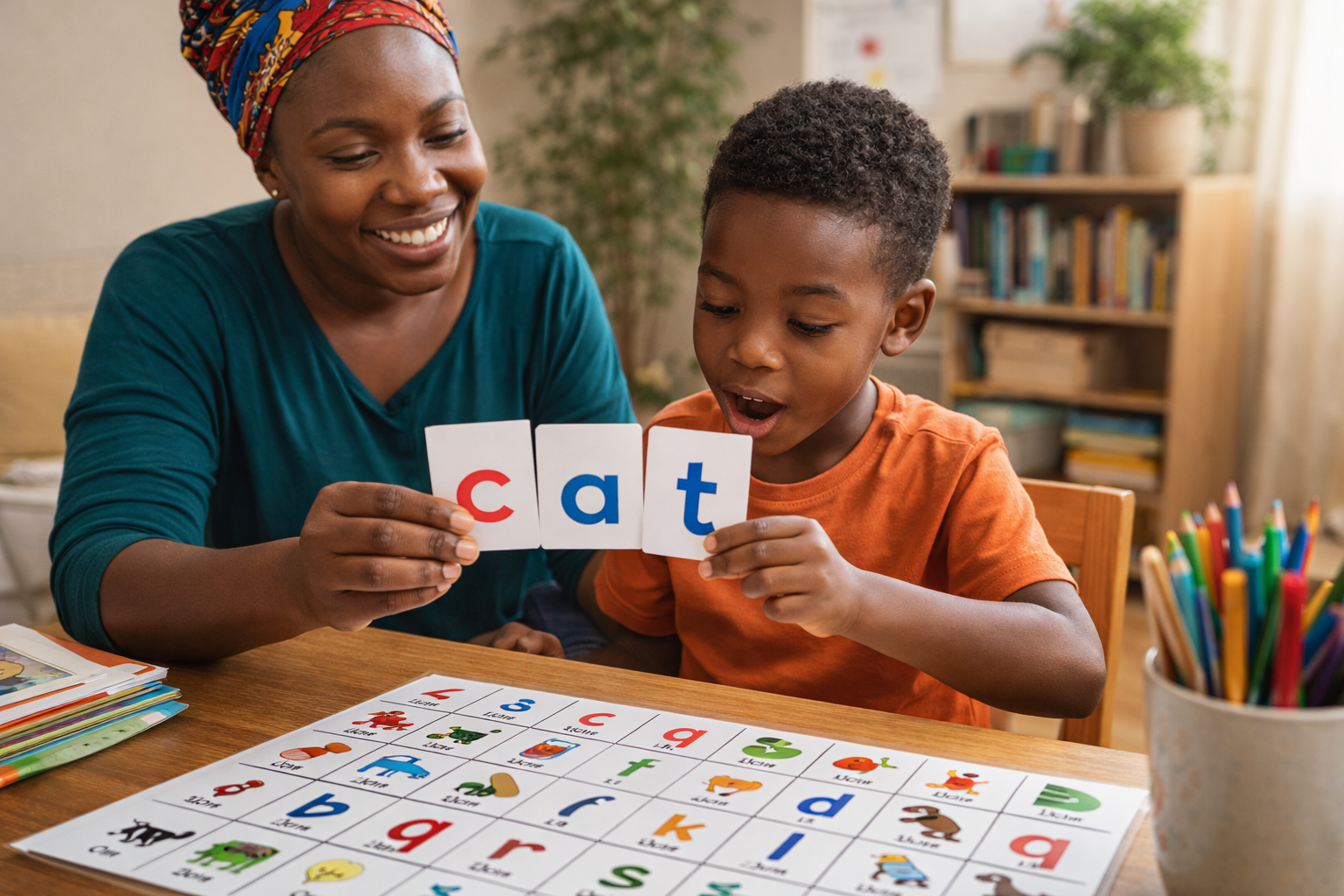



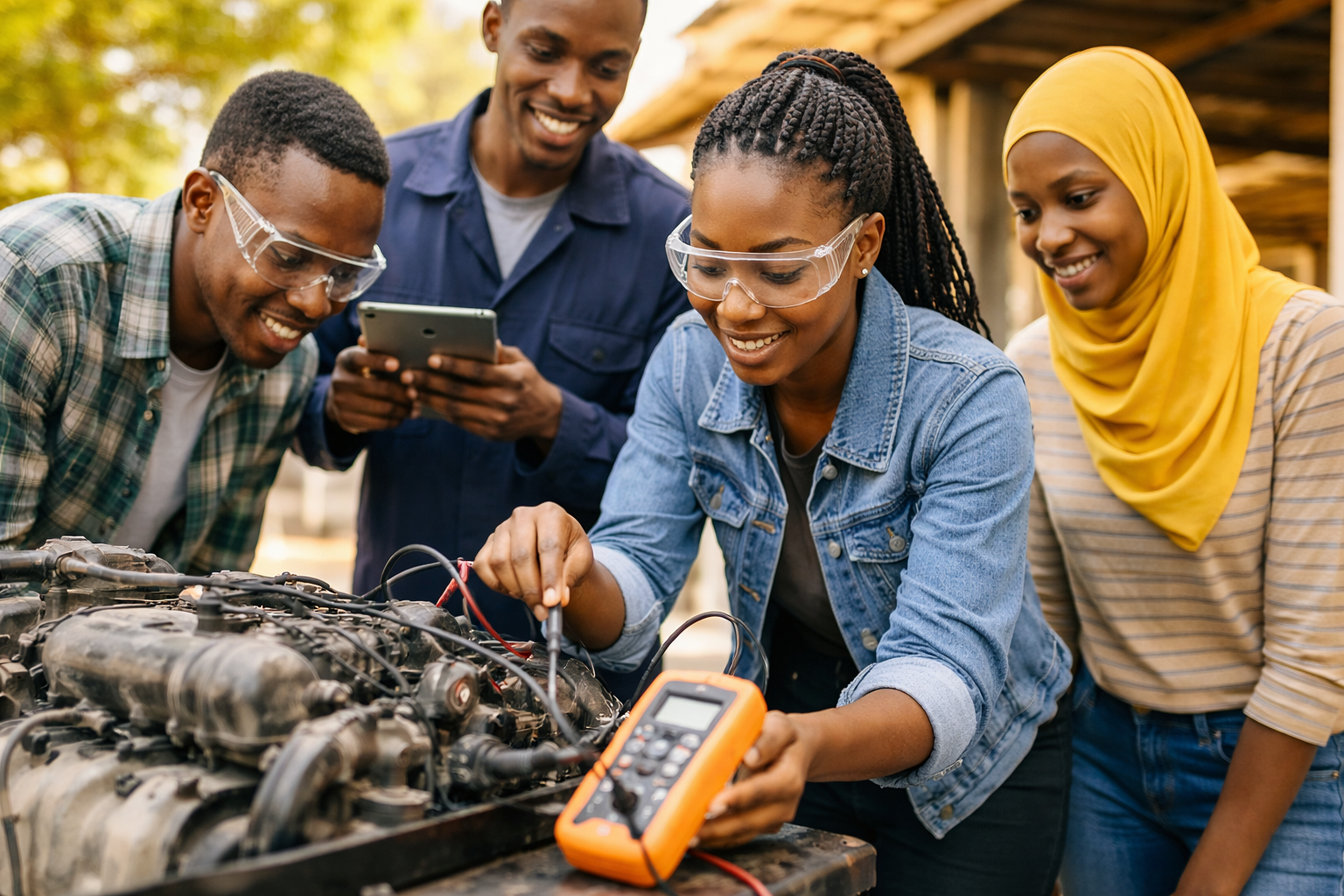
Learning by doing isn’t a trend — it’s a research-backed approach that outperforms passive instruction in many meaningful ways. In this post I’ll explain what experiential learning is, summarize the strongest recent evidence for why hands-on approaches work, lay out the specific benefits (retention, engagement, transferable skills, creativity, and motivation), and finish with practical tips teachers, trainers, and instructional designers can use tomorrow. Wherever I reference research findings I’ll include sources so you can follow up.
What is experiential learning?
Experiential learning is an umbrella term for teaching approaches that center learning on active participation: doing, reflecting, and applying. The classic description comes from David Kolb’s experiential learning cycle (concrete experience → reflective observation → abstract conceptualization → active experimentation), which frames learning as a continuous process of trying, thinking, and adapting. Kolb’s model remains widely used as a practical guide for designing hands-on activities. (Simply Psychology)
Five evidence-based reasons hands-on beats passive learning
1. Better retention and deeper understanding
A consistent finding across recent studies is that students who engage in hands-on, experiential activities retain concepts better than those who learn through lecture alone. Multiple quasi-experimental and classroom studies report higher post-test scores and longer-term retention when learners manipulate materials, run experiments, or apply concepts in realistic projects. For example, classroom experiments in mathematics and science have shown improved retention and achievement when hands-on activities were used. (ResearchGate)
Why it works (briefly): Active tasks create more retrieval paths (sensory, motor, contextual) and force learners to link abstract ideas to concrete outcomes, which strengthens memory encoding and transfer.
2. Higher engagement and motivation
Engagement—the driver of sustained learning—rises when learners see direct relevance and can actively influence outcomes. Recent reviews and empirical work show that experiential tasks (project-based learning, simulations, lab work) increase classroom engagement, reduce boredom, and raise intrinsic motivation. These gains matter because engaged learners invest effort and practice, which compounds into better learning results. (jurnal.unai.edu)
3. Stronger development of 21st-century skills (communication, teamwork, problem solving)
Experiential learning settings—group projects, internships, service learning—force learners to practice soft skills in context. Evidence from higher-education programs and workplace training indicates clear gains in collaboration, problem solving, and the ability to apply knowledge in messy, real-world situations. Employers consistently report that graduates with hands-on project experience are better prepared for complex, interdisciplinary work. (PMC)
4. Boosts creativity and self-efficacy
When learners experiment and iterate (fail, reflect, improve), they develop creative confidence and a willingness to try new solutions. Systematic reviews of experiential programs in higher education show increases in creative self-efficacy and innovative thinking—qualities that are difficult to cultivate through lectures alone. Hands-on projects provide safe spaces to take risks and learn from failure, which is essential for creative growth. (gssrr.org)
5. Evidence from meta-analyses and systematic reviews
The most persuasive evidence comes from syntheses of many studies. Recent meta-analyses and systematic reviews spanning classroom and workplace settings conclude that experiential methods produce meaningful, positive effects on achievement, engagement, and skill development—especially when activities are well structured and include reflective components. That last point is crucial: hands-on tasks must be paired with guided reflection and conceptual bridging to maximize learning. (multiresearchjournal.com)
Not all hands-on activities are equally effective — design matters
Research shows that the way experiential learning is implemented determines outcomes. Four design principles consistently appear across the literature:
- Concrete experience + guided reflection: Activities must include structured reflection prompts so learners extract generalizable lessons from what they did. (Kolb’s reflection stage is essential.) (Simply Psychology)
- Clear learning objectives: Hands-on tasks should target specific concepts or skills; otherwise they become entertainment, not instruction. (Bera Journals)
- Scaffolded complexity: Start with simple tasks and grow complexity as learners gain competence; scaffolding prevents cognitive overload. (ScienceDirect)
- Authenticity and relevance: Realistic tasks or simulations that mirror workplace or life contexts increase transferability and motivation. (ScienceDirect)
Practical classroom and training strategies (quick wins)
Use these techniques to turn any lesson into an effective experiential unit:
- Micro-projects: Replace one lecture with a 1–2 hour mini project where students apply the core concept. End with 10–15 minutes of guided reflection and a short synthesis.
- Simulations & role play: For topics where real practice is risky or expensive, simulations provide safe practice with immediate feedback.
- Lab + reflection cycle: After hands-on labs, require a reflective worksheet that asks “what worked?”, “what surprised you?”, and “how does this connect to the theory?”
- Problem-based learning (PBL): Present an authentic problem, let small groups design solutions, then compare approaches in a class debrief.
- Workplace/field placements: Short internships, community projects, or service learning integrate real contexts and increase motivation and employability. (PMC)
Common implementation pitfalls (and how to avoid them)
- Pitfall: Activities with no reflection (students “do” but don’t learn).
Fix: Always include a reflection and an instructor-led synthesis that ties experience to theory. (Simply Psychology) - Pitfall: Poor alignment with assessment (tests still focus on recall).
Fix: Use performance assessments, portfolios, and project rubrics that value application and process. - Pitfall: Cognitive overload from too many simultaneous demands.
Fix: Break tasks into stages, teach relevant strategies (e.g., self-regulation), and provide models. (ScienceDirect)
Who benefits most?
While experiential learning helps across age and subject areas, some groups and contexts show particularly strong gains:
- STEM classrooms — hands-on labs and maker projects improve conceptual understanding and retention. (qaa.ac.uk)
- Vocational and professional programs — internships and practica directly map to job skills. (ScienceDirect)
- Learners needing higher engagement — students who struggle with lecture formats often show the largest motivation and achievement gains in experiential programs. (Bera Journals)
Quick summary (TL;DR)
- Experiential learning—learning by doing paired with reflection—improves retention, engagement, creativity, and transferable skills. (Simply Psychology)
- It’s most effective when activities are purposeful, scaffolded, authentic, and followed by guided reflection. (ScienceDirect)
- For educators: start small (micro-projects, guided reflections), align assessment, and build authentic tasks that connect to real life. (PMC)
Sources & further reading (select recent, authoritative picks)
- Review of Kolb’s model and basics of experiential learning. (Simply Psychology)
- Meta-analyses and systematic reviews showing positive effects of experiential learning. (multiresearchjournal.com)
- Studies on retention gains from hands-on activities in mathematics and science classrooms. (ResearchGate)
- Reviews on creativity and self-efficacy improvements through experiential programs. (gssrr.org)