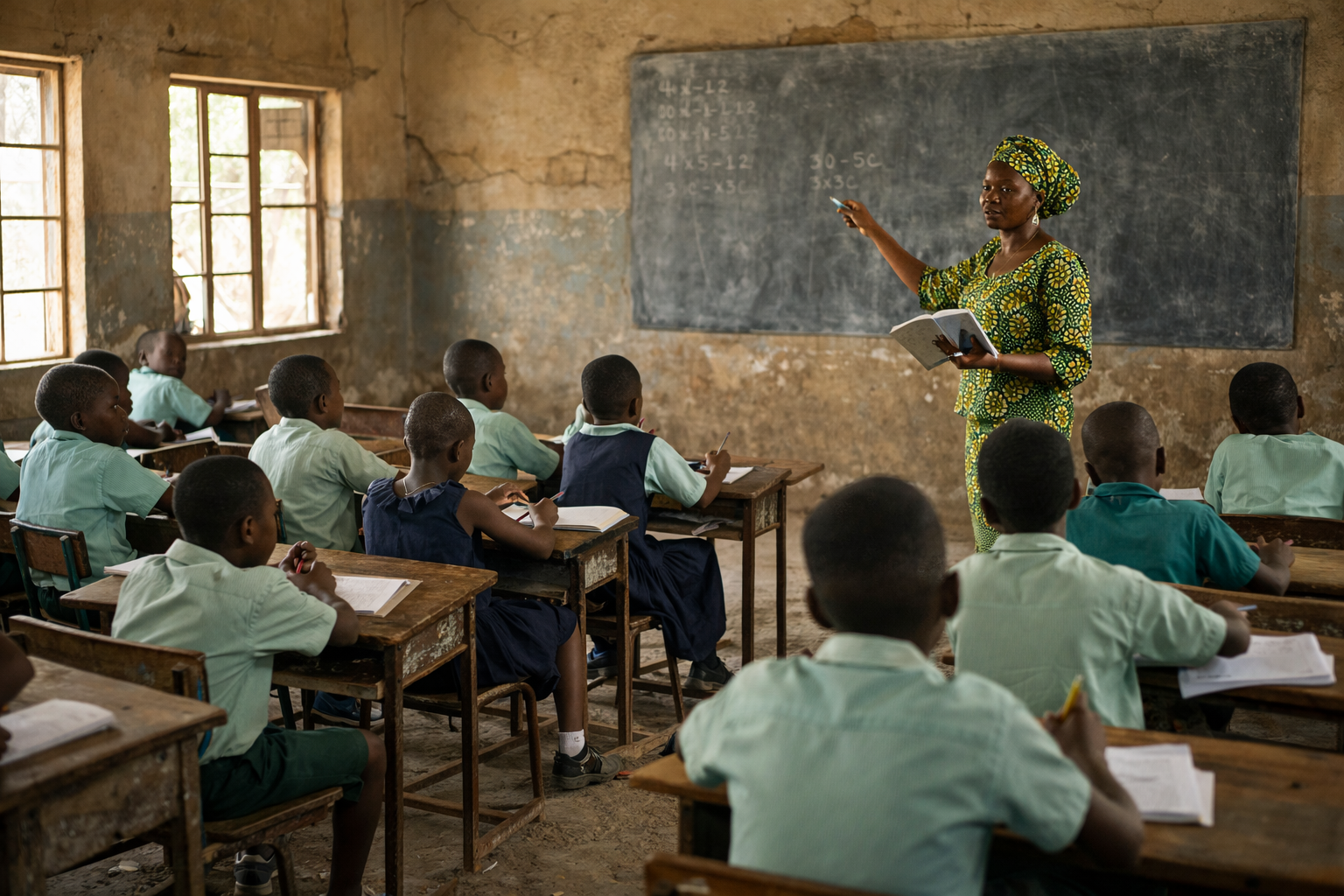









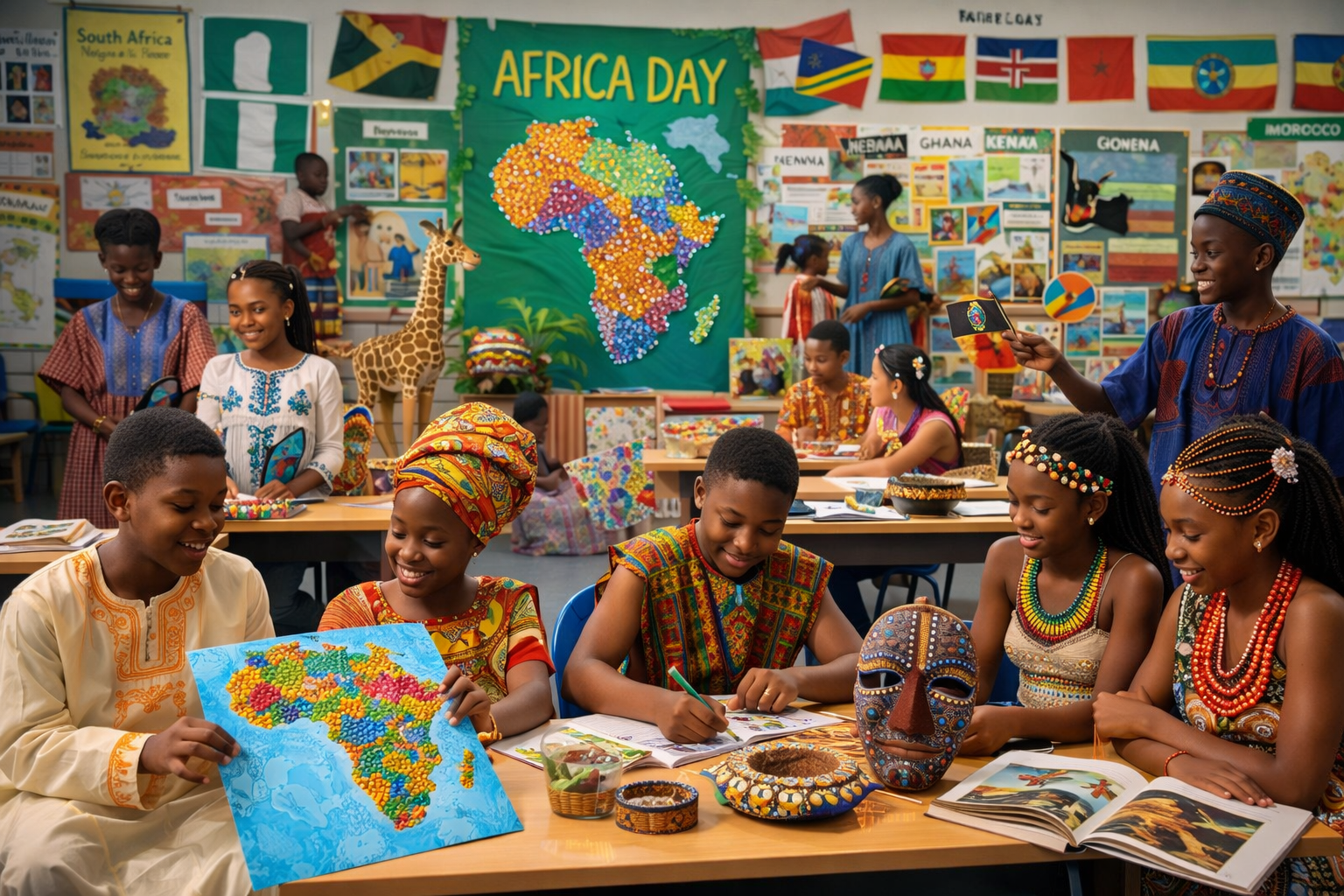
Africa Day, celebrated annually on May 25, marks the founding of the Organization of African Unity in 1963—now known as the African Union. While the day commemorates political unity across the continent, in schools it serves a broader educational purpose: promoting cultural understanding, historical awareness, and global citizenship.
Over the past several years working with upper primary and junior secondary classrooms, I have found that Africa Day becomes most meaningful when it moves beyond costumes and performances and becomes an academically grounded, research-based learning experience. Below is a structured, classroom-tested guide that aligns with culturally responsive teaching principles and authoritative historical context.
Why Africa Day Matters in Education
Africa Day recognizes the formation of a continental body that sought unity, decolonization, and cooperation among African states. Today, the African Union continues to promote development, peace, and integration across its 55 member states.
According to the African Union, Africa Day celebrates “African unity in diversity” and the progress made across the continent. Incorporating this context into classroom discussions prevents oversimplification and ensures historical accuracy.
From an educational standpoint, multicultural education research consistently shows that exposure to diverse histories and perspectives strengthens empathy, critical thinking, and global awareness. A thoughtfully planned Africa Day aligns with these goals.
Classroom-Tested Africa Day Celebration Ideas
Below are practical ideas refined through direct classroom implementation, including lessons learned to help you avoid common challenges.
1. Cultural Dress Day (With Historical Context)
Encouraging students to wear traditional or African-inspired attire can be powerful—when framed correctly.
What worked in my classroom:
Students were required to submit a short research paragraph explaining:
- The country represented
- The cultural significance of the clothing
- The historical or ceremonial context
This prevented stereotyping and ensured the activity remained educational.
Authority note: Africa consists of 54 internationally recognized countries, each with distinct cultural traditions. Avoid presenting attire as representing “Africa” as a whole.
Implementation tip:
Display a labeled political map and ask students to pin their represented country. This reinforces geography skills.
2. African Food Exploration (Safe & Structured)
Food is one of the most engaging entry points into cultural study.
Practical classroom experience:
Instead of full food tasting (which required allergy documentation and administrative approval), we used:
- Ingredient research posters
- Cultural background explanations
- Optional pre-approved packaged samples
Why accuracy matters:
Dishes should be clearly attributed to specific countries or regions—not generalized as “African food.”
3. Music and Global Influence Discussion
African musical traditions have significantly influenced global genres such as jazz and blues. Many music historians trace rhythmic and call-and-response traditions from West African societies to diasporic musical forms in the Americas.
When discussing influence, provide context rather than broad claims.
Classroom activity that worked well:
- Compare a traditional West African drum rhythm with a jazz piece.
- Ask students to identify rhythm patterns and improvisation elements.
This transforms the activity from entertainment into analysis.
4. Highlight Influential African Leaders and Thinkers
To avoid a narrow or repetitive narrative, include figures from politics, literature, science, and peacebuilding.
Examples include:
- Nelson Mandela – Key figure in ending apartheid and former President of South Africa.
- Kofi Annan – Former Secretary-General of the United Nations and Nobel Peace Prize laureate.
- Chinua Achebe – Author of Things Fall Apart, a foundational work in modern African literature.
What improved engagement:
Assign small groups one individual each and require:
- Timeline creation
- Major achievements
- Lasting global impact
Students responded more deeply when exploring long-term influence rather than just biography summaries.
5. African Art Workshop (With Symbolism Focus)
Hands-on art activities are effective when paired with research.
For example:
- Adinkra symbols from Ghana include proverbs and philosophical meanings.
- West African masks often carry spiritual or ceremonial significance.
Classroom improvement tip:
Before creating art, students completed a “symbol meaning” worksheet. This prevented art from becoming decorative imitation and ensured cultural respect.
6. Storytelling and Literature
Storytelling traditions are central across African societies.
In addition to folktales, consider age-appropriate modern literature by African authors. This expands understanding beyond traditional narratives and avoids the misconception that African literature is only oral or historical.
Reflective discussion prompt that worked well:
- What universal values appear in the story?
- How does this compare with stories from our own culture?
7. African History Timeline Project
To avoid presenting Africa as a single historical moment (often colonialism), create a collaborative timeline including:
- Ancient civilizations (e.g., Mali, Egypt, Axum)
- Independence movements
- 1963 formation of the OAU
- 2002 transition to the African Union
- Modern technological innovation hubs
Students often express surprise at the depth and continuity of African history—making this one of the most impactful activities.
8. Geography and Country Research Stations
Africa’s geographic diversity is immense, from the Sahara Desert to tropical rainforests and major river systems.
Activity format that increased participation:
“Travel Around Africa” classroom stations:
- Flag
- Climate
- Official languages
- Major exports
- Cultural highlights
Each group rotated every 10–15 minutes, maintaining engagement.
Practical Planning Guide (High-Value Addition)
Based on implementation experience:
4 Weeks Before
- Assign countries or themes
- Secure administrative approval for food or assembly
- Communicate with parents
2 Weeks Before
- Review research drafts
- Fact-check country information
- Address stereotypes or inaccuracies
1 Week Before
- Finalize presentations
- Confirm materials and display areas
Day of Event
- Begin with a short educational overview of Africa Day’s history
- Close with reflection questions:
- What surprised you?
- What assumptions changed?
Ensuring Accuracy and Cultural Respect
To align with best practices:
- Avoid presenting Africa as culturally uniform.
- Attribute traditions to specific countries or ethnic groups.
- Use reputable sources such as:
- African Union
- United Nations
- Peer-reviewed educational resources
Trustworthiness increases when students are taught to verify information rather than rely on assumptions.
Educational Impact
When grounded in research and implemented thoughtfully, Africa Day activities can:
- Strengthen historical literacy
- Improve geographic knowledge
- Develop research and presentation skills
- Foster cross-cultural respect
In my classroom experience, students consistently report that Africa Day shifts their understanding from a single-story narrative to a multidimensional perspective of the continent.
Conclusion
Africa Day is more than a cultural celebration—it is an opportunity to model accurate scholarship, respectful representation, and global awareness in the classroom.
By integrating historical context, authoritative sources, and structured activities, teachers can ensure that Africa Day is not symbolic—but transformative.
When planned with intention, it becomes a lesson in unity, diversity, and informed global citizenship—values that extend far beyond May 25.